Gandhi Jayanti padyatra in Madhepura demands CEC Gyanesh Kumar's resignation
Synopsis
On Gandhi Jayanti, Congress took its anti-CEC agitation to Madhepura, Bihar, with a padyatra demanding Gyanesh Kumar's resignation — even as Delhi Police blocked a planned Jantar Mantar protest and shut 11 Metro stations. The simultaneous crackdown in the capital and grassroots mobilisation in Bihar signal that opposition pressure on the Election Commission is spreading beyond Delhi.
Key Takeaways
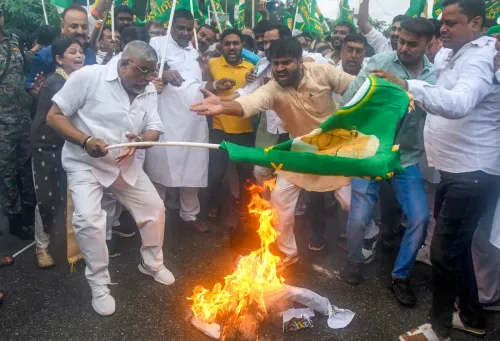
The Madhepura District Congress Committee held a padyatra on 2 October — Gandhi's 157th birth anniversary — demanding CEC Gyanesh Kumar's resignation.
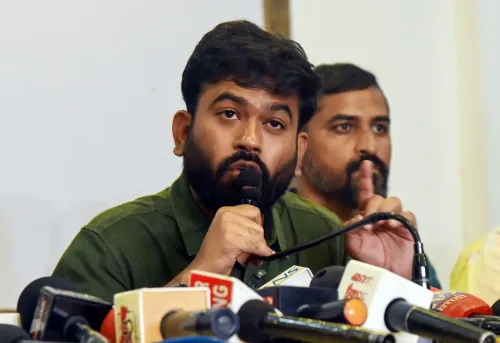
Mrinal Yadav , Bihar Pradesh Congress Vice-President, led the march and called it the start of a broader Bihar-wide agitation.
Delhi Police denied permission for a planned Jantar Mantar protest on the same day; entry and exit at around 11 Metro stations were shut.
Purnea MP Pappu Yadav cited Rahul Gandhi's 'vote theft' allegations and demanded an investigation into electoral rolls, Form 6 , and software companies.
The Election Commission of India has maintained that final decisions follow the prescribed institutional process.
The controversy centres on the Special Intensive Revision (SIR) of electoral rolls and concerns raised by opposition parties, student groups, and civil society.
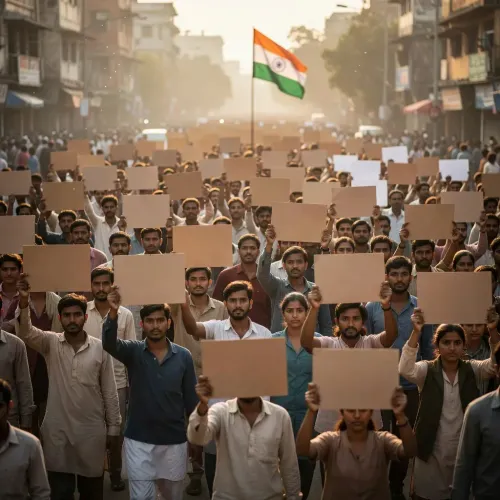
The Madhepura District Congress Committee organised a padyatra in Madhepura, Bihar, on 2 October 2025 — Mahatma Gandhi's 157th birth anniversary and the International Day of Non-Violence — calling for the resignation of Chief Election Commissioner (CEC) Gyanesh Kumar. Party workers and leaders took a collective pledge to uphold the Constitution, democracy, and Gandhian principles during the march.
The March and Its Demands
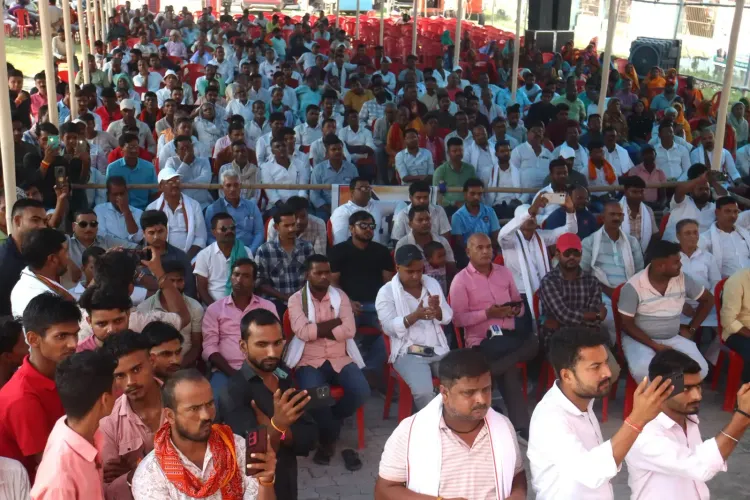
The procession was led by Mrinal Yadav, Bihar Pradesh Congress Vice-President and the party's in-charge for Madhepura district. A large number of Congress workers participated, and the march culminated at the Zila Parishad grounds.
Speaking to reporters at the event, Yadav demanded Gyanesh Kumar's resignation, framing the agitation as the opening act of a broader statewide movement. He asserted that the message from Madhepura would spread to other parts of Bihar in the coming days and that Congress workers would sustain the protest until Kumar stepped down.
'Today, there is an urgent need to protect democracy and the Constitution in the country,' Yadav said, adding that Congress workers had taken a collective pledge to safeguard the democratic system.
National Context: Delhi Protest Blocked, Security Tightened
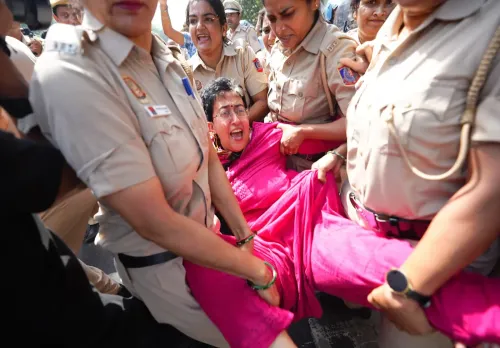
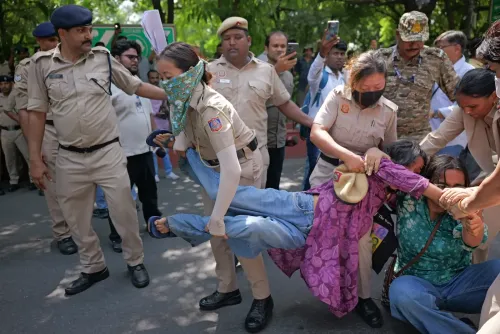
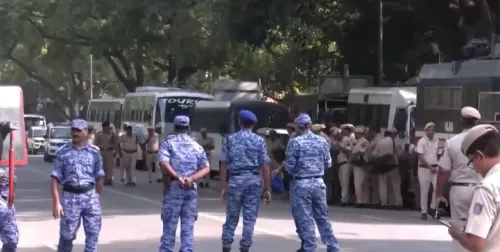
The Madhepura padyatra came amid heightened tension in New Delhi, where Delhi Police denied permission for a planned 2 October gathering at Jantar Mantar, citing security and law-and-order concerns. Authorities imposed prohibitory restrictions across the New Delhi district and deployed additional security personnel in and around the area.
Entry and exit points at multiple Delhi Metro stations — reports indicate as many as 11 stations — were shut as a precautionary measure, drawing criticism from opposition figures. The proposed protest had been backed by opposition parties, student organisations, and civil society groups concerned about the functioning of the Election Commission of India (ECI) and the Special Intensive Revision (SIR) of electoral rolls.
Pappu Yadav Raises Electoral Integrity Concerns
Purnea MP Rajesh Ranjan, commonly known as Pappu Yadav, who was in Darbhanga at the time, criticised the security clampdown in Delhi. He questioned the restrictions on public movement and raised concerns over the safety and freedom of movement of ordinary citizens — particularly women — in the capital on Gandhi Jayanti.
Pappu Yadav also referred to 'vote theft' allegations raised by Leader of the Opposition in Lok Sabha Rahul Gandhi and other INDIA bloc leaders. He called for an investigation into allegations concerning electoral rolls, Form 6, and the role of software and technology companies in the electoral process. He demanded strict legal action against those found responsible, including — in his remarks — capital punishment after due trial under charges of sedition.
Election Commission's Position
The Election Commission of India has maintained that differences of opinion can arise during institutional deliberations and that final decisions are taken through the prescribed process. The allegations concerning electoral-roll manipulation remain subjects of active political debate, and no independent verification of the specific claims has been established.
What to Watch
The Gandhi Jayanti protests have brought the debate over electoral rolls, voting rights, and the functioning of constitutional institutions back into sharp public focus. With Congress signalling a wider Bihar-level agitation and opposition pressure on CEC Gyanesh Kumar intensifying nationally, the coming days are likely to see escalating political activity around Election Commission accountability.
Point of View
Which is exactly what the agitators are counting on. The Election Commission's procedural defence, without a substantive public engagement on the SIR concerns, may only deepen the credibility gap it is trying to close.
NationPress
2 Oct 2026
Frequently Asked Questions
Why are Congress workers demanding CEC Gyanesh Kumar's resignation?
Congress and other opposition parties have raised concerns about the functioning of the Election Commission of India and the Special Intensive Revision (SIR) of electoral rolls, alleging it could affect voters' rights. They have demanded Gyanesh Kumar's resignation, arguing that the Commission has not addressed these concerns adequately.
What happened at the Madhepura padyatra on Gandhi Jayanti?
The Madhepura District Congress Committee organised a march on 2 October, led by Bihar Pradesh Congress Vice-President Mrinal Yadav. Workers took a pledge to uphold the Constitution and democracy, and the procession ended at the Zila Parishad grounds with renewed calls for CEC Gyanesh Kumar to step down.
Why was the Delhi Jantar Mantar protest blocked on 2 October?
Delhi Police denied permission for the planned gathering at Jantar Mantar on 2 October, citing security and law-and-order concerns. Prohibitory restrictions were imposed in the New Delhi district, additional security was deployed, and entry and exit at around 11 Delhi Metro stations were shut as a precautionary measure.
What is the Special Intensive Revision (SIR) of electoral rolls?
The SIR is an Election Commission exercise to update and revise voter rolls, intended to remove ineligible entries and add new voters. Opposition parties, student organisations, and civil society groups have raised concerns that the process could lead to large-scale deletion of legitimate voters, potentially disenfranchising citizens.
What did Purnea MP Pappu Yadav allege about the electoral process?
Pappu Yadav referenced 'vote theft' allegations made by Rahul Gandhi and other INDIA bloc leaders and called for an investigation into electoral rolls, Form 6, and the role of software and technology companies. He also demanded strict legal action, including capital punishment after due trial under sedition charges, against those found responsible.