Bihar AI Policy 2026: 5 lakh students to get AI training in five years
Synopsis
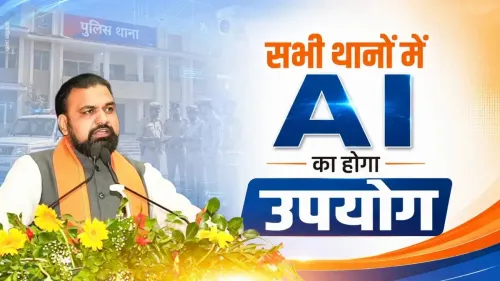
Bihar is betting on AI to fix a decades-old unemployment problem. Chief Minister Samrat Choudhary's proposed Bihar Artificial Intelligence Policy 2026 targets five lakh students for AI training over five years, backed by incentives for tech companies and an annual AI conclave — a significant push for one of India's most populous and youngest states.
Key Takeaways
Bihar government targets AI training for five lakh students over the next five years under the proposed Bihar Artificial Intelligence Policy 2026 .
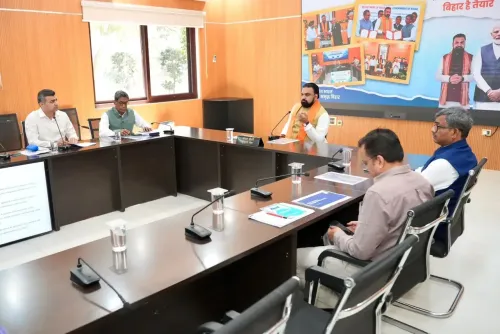
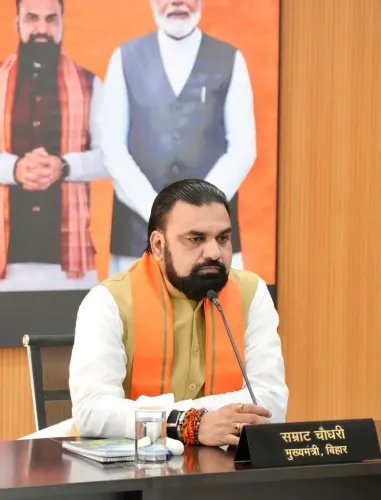
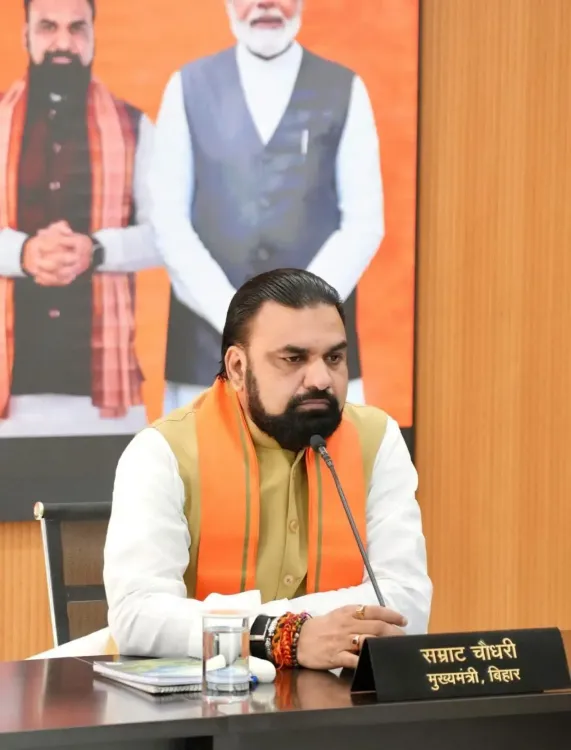
Chief Minister Samrat Choudhary chaired a policy review meeting at Sankalp Hall, Patna , on 22 October 2026 .
The state plans to hold a major AI-focused event annually for five consecutive years to foster collaboration among tech firms, startups, and students.
Bihar is exploring financial incentives to attract investment in advanced AI technologies, including large-scale AI models.
A dedicated implementation team is to be constituted to oversee policy execution and track targets.
The policy focuses on skill development, digital entrepreneurship, infrastructure, and investment attraction to build Bihar's AI ecosystem.
The Bihar government has set an ambitious target of providing Artificial Intelligence (AI) training to five lakh students over the next five years, as part of the proposed Bihar Artificial Intelligence Policy 2026. The move is aimed at boosting employability and preparing the state's large youth population for an increasingly technology-driven job market.
Key Developments from the Review Meeting
Chief Minister Samrat Choudhary chaired a high-level review meeting on the proposed policy at Sankalp Hall in Lok Sevak Awas, Patna, on Thursday, 22 October 2026. Officials discussed a wide range of measures, including promoting AI-based innovation, attracting private investment, and generating employment across the state.
Choudhary underscored the need to create a business-friendly environment for AI companies, startups, and digital enterprises looking to establish or expand their footprint in Bihar. He also directed the concerned department to constitute a dedicated implementation team to oversee policy execution and ensure that targets are met within a stipulated timeframe.
What the Bihar AI Policy 2026 Proposes
The policy framework is designed around four pillars: skill development, digital entrepreneurship, infrastructure strengthening, and investment attraction. The state is reportedly exploring financial incentives to encourage investment in advanced AI technologies, including the development of large-scale AI models.
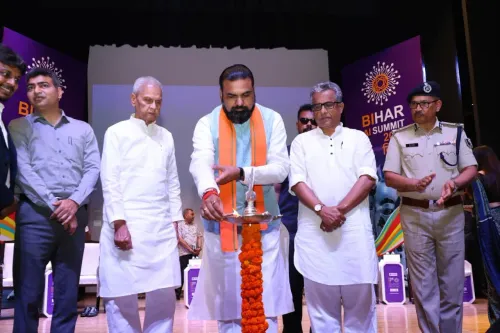
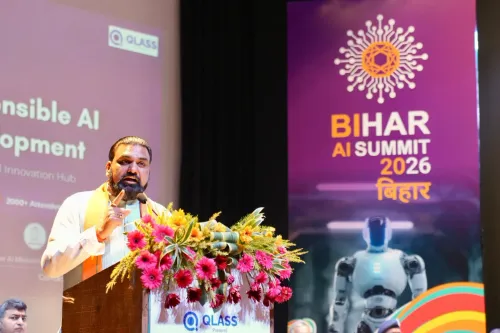
As part of the initiative, Bihar plans to organise a major AI-focused event every year for the next five years. These annual conclaves will bring together technology experts, established companies, startups, and students to facilitate knowledge-sharing, collaboration, and hands-on innovation.
Why Bihar's AI Push Matters
Bihar has one of India's youngest demographic profiles, yet has historically struggled with unemployment and out-migration of skilled workers. This initiative assumes particular significance in that context. By equipping students with AI-related skills, the state government aims to both improve access to emerging job opportunities and encourage technology-based entrepreneurial ventures from within the state.
Notably, this is part of a broader trend of non-metro Indian states crafting dedicated AI policies — a shift that reflects growing recognition that digital transformation cannot remain concentrated in tech hubs such as Bengaluru, Hyderabad, or Pune.
Infrastructure and Ecosystem Building
Officials at the meeting also discussed the need to strengthen technical infrastructure to support the emerging AI sector in the state. The policy is expected to drive industry participation and create a more robust digital economy through targeted training programmes aligned with market demand.
With the policy still in the proposed stage, the formation of the dedicated implementation team and the rollout of the first annual AI event are seen as early indicators of how seriously the government intends to pursue its five-year roadmap.
Point of View
Which is achievable on paper but demands institutional infrastructure that Bihar currently lacks at scale. The policy's focus on attracting AI companies and large-scale model development is aspirational given the state's limited digital infrastructure relative to established tech corridors. The real test will come when the dedicated implementation team is named and its mandate is made public — the absence of verifiable milestones and independent monitoring could reduce this to another headline number without measurable outcomes.
NationPress
22 Oct 2026
Frequently Asked Questions
What is the Bihar Artificial Intelligence Policy 2026?
The Bihar Artificial Intelligence Policy 2026 is a proposed state policy aimed at training five lakh students in AI skills over five years, attracting technology investment, and building a digital innovation ecosystem in the state. It was reviewed in a meeting chaired by Chief Minister Samrat Choudhary on 22 October 2026.
How many students will receive AI training under the Bihar policy?
The Bihar government has set a target of providing AI training to five lakh students over a period of five years. The training is intended to improve employability and encourage technology-based entrepreneurship among the state's youth.
What role will annual AI events play in this initiative?
The state government plans to organise a major AI-focused event in Bihar every year for the next five years. These events will bring together technology experts, companies, startups, and students to facilitate knowledge-sharing, collaboration, and innovation.
What incentives is Bihar offering to AI companies?
The Bihar government is reportedly exploring financial incentives to encourage investment in advanced AI technologies, including large-scale AI model development. Details of the incentive structure are expected to be finalised as part of the policy rollout.
Why is Bihar's AI initiative significant for the state?
Bihar has one of India's youngest and largest populations but has historically faced high unemployment and skilled worker out-migration. By equipping students with AI skills and attracting tech investment, the policy aims to create local employment opportunities and reduce dependence on migration to other states for technology jobs.