Bihar to install CCTV cameras in all govt hospitals, deploy 100 highway ambulances
Synopsis
Bihar's health minister has ordered CCTV cameras in every government hospital — linked to a central Patna control room — while also announcing 100 highway ambulances and 16 new trauma facilities. It is one of the most comprehensive public healthcare reform packages the state has announced in recent years, and the real test will be in execution.
Key Takeaways
Bihar Health Minister Nishant Kumar announced CCTV cameras in all government hospitals on 1 July 2025 , linked to a central control room in Patna .
Government hospitals currently stock only around 350 of the mandated 504 categories of medicines ; officials directed to close the gap.
100 ambulances will be deployed along national and state highways across Bihar to improve emergency response.
11 level-3 trauma centres and 5 level-3 trauma hospitals are planned to strengthen trauma care infrastructure.
Surprise inspections of government hospitals will continue, following Kumar's recent visit to Patna Medical College and Hospital (PMCH) .
Disciplinary action will be taken against staff found negligent through the new surveillance system.
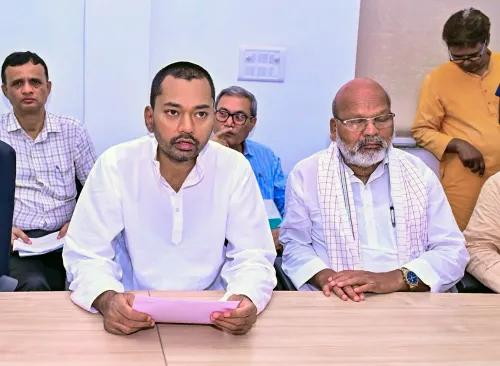
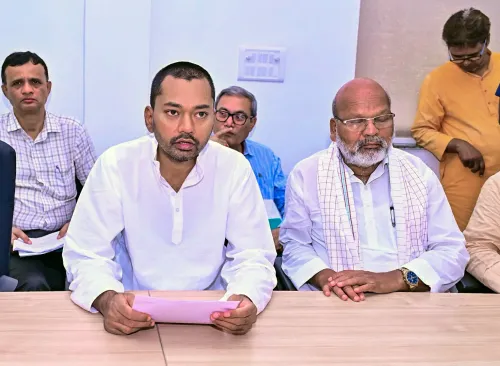
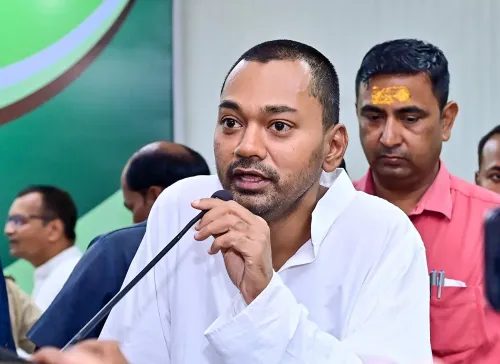
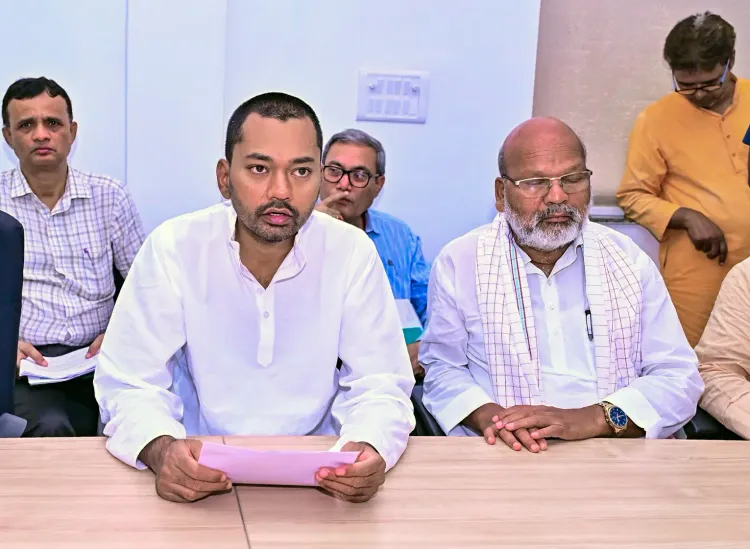
Bihar Health Minister Nishant Kumar on Wednesday, 1 July announced a sweeping overhaul of the state's public healthcare infrastructure, including the installation of CCTV cameras in all government hospitals, deployment of 100 ambulances on national and state highways, and the creation of new trauma care facilities across Bihar. The announcements followed a public grievance session — a Janata Darbar — held at the Janata Dal (United) state office in Patna.
CCTV Surveillance and Staff Accountability
The surveillance network will cover all state-run hospitals and feed into a centralised control room in Patna, from where officials will track staff attendance and day-to-day hospital operations. Kumar cited recurring complaints about doctors, nurses, and paramedical staff not reporting for duty on time. He warned that personnel found negligent through the monitoring system will face disciplinary action.
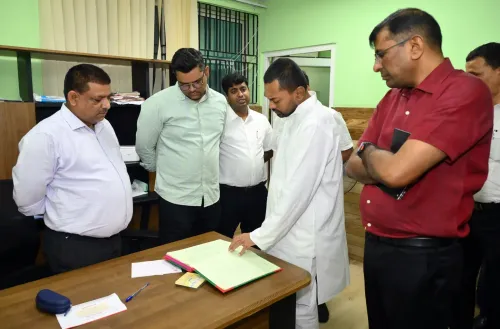
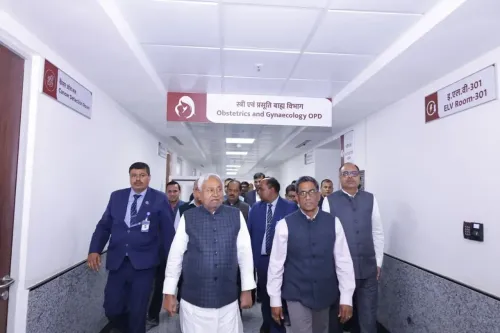
Notably, the move follows Kumar's own inspection of Patna Medical College and Hospital (PMCH), during which he expressed dissatisfaction with prevailing conditions. He confirmed that unannounced inspections of government hospitals across the state will continue.
Medicine Shortages and Equipment Gaps
Kumar flagged a significant supply gap: Bihar's government hospitals are mandated to stock 504 categories of medicines, but only around 350 varieties are currently available. He directed officials to ensure regular supply of all designated drugs so that patients are not forced to source medicines from outside.
The minister also addressed the persistent problem of non-functional diagnostic equipment, specifically calling out MRI machines and CT scanners that reportedly remain out of service for months or even years. He said appointments of trained technicians and operators will be made wherever facilities lack qualified personnel, to keep diagnostic services running without interruption.
Emergency Response and Trauma Care Expansion
To strengthen emergency medical response, the state government plans to station 100 ambulances along national and state highways in Bihar. This is intended to cut response times for road accident victims and other emergencies.
Complementing the ambulance push, Kumar announced plans to establish 11 level-3 trauma centres and 5 level-3 trauma hospitals across the state. These facilities are designed to provide advanced, time-critical care to accident victims and are a significant upgrade to Bihar's current trauma infrastructure.
What Officials Said
Kumar stated that improving healthcare services remains a stated priority for the state government and that hospital performance will be monitored on a continuous basis. 'Hospital performance will be monitored continuously,' he said, adding that surprise inspections will remain a tool of accountability going forward.
What Comes Next
Implementation timelines for the CCTV rollout, ambulance deployment, and trauma centre construction were not specified at the announcement. The scale of the reforms — spanning surveillance, drug supply, equipment maintenance, and emergency infrastructure — will test the state health department's execution capacity. Whether these commitments translate into measurable improvements on the ground remains to be seen.
Point of View
But the state has a long record of implementation gaps in public health delivery. The medicine shortage — 350 of 504 mandated categories available — is not a new problem; it reflects procurement and supply-chain failures that CCTV cameras alone cannot fix. The trauma centre expansion is welcome, but level-3 facilities require specialist staffing that Bihar currently struggles to attract and retain. Surveillance-led accountability is a start, but without structural fixes to recruitment, drug procurement, and equipment servicing contracts, these announcements risk becoming a familiar cycle of high-profile directives that fade without follow-through.
NationPress
30 Sept 2026
Frequently Asked Questions
What did Bihar Health Minister Nishant Kumar announce on 1 July 2025?
Minister Nishant Kumar announced the installation of CCTV cameras in all Bihar government hospitals, deployment of 100 ambulances on highways, establishment of 11 level-3 trauma centres and 5 level-3 trauma hospitals, and steps to address medicine shortages and non-functional diagnostic equipment. The announcements were made after a public grievance session in Patna.
How will the CCTV system in Bihar hospitals work?
The cameras will be connected to a centralised control room in Patna, enabling officials to monitor staff attendance and hospital operations in real time. Personnel found negligent through the surveillance system will face disciplinary action.
Why are Bihar government hospitals facing medicine shortages?
Bihar's government hospitals are mandated to stock 504 categories of medicines but currently carry only around 350 varieties. The health minister has directed officials to ensure regular supply of all designated drugs to prevent patients from facing shortages.
What is the plan for trauma care expansion in Bihar?
The state plans to establish 11 level-3 trauma centres and 5 level-3 trauma hospitals to provide advanced emergency care to accident victims. An additional 100 ambulances will be stationed along national and state highways to improve response times.
What prompted these healthcare reforms in Bihar?
The announcements followed public complaints heard at a Janata Darbar at the JD(U) state office in Patna, as well as the minister's own inspection of Patna Medical College and Hospital (PMCH), where he expressed dissatisfaction with conditions. Surprise inspections of government hospitals are set to continue.