Bihar teacher rationalisation: 5.8 lakh teachers to benefit via choice-based transfers
Synopsis
Bihar is attempting to fix a structural crisis hiding in plain sight: over 1.06 lakh surplus teachers piled up in some schools while districts like Araria and Purnea go short-staffed. The state's answer is a choice-based online transfer portal covering 5.80 lakh teachers — and a blunt minister willing to tell 25-year incumbents that a government school is not personal property.
Key Takeaways
Bihar Education Minister Mithilesh Tiwari launched a choice-based teacher transfer portal on 29 July 2025 , covering approximately 5.80 lakh teachers .
Within the first two days, 22,591 teachers participated — 14,796 submitted final applications and 7,795 saved drafts.
Bihar has 1,06,788 surplus teachers , including 65,413 in Classes 1–5; districts like Araria, Jamui, and Purnea face shortages.
Teachers may select between 1 and 30 schools ; no involuntary transfers will be made outside the submitted list.
A five-year regular transfer cycle will be introduced going forward, ending the practice of decades-long postings at a single school.
Surplus primary teachers may also be deployed at Bal Vatika early-childhood centres in 10,000 primary schools with attached Anganwadi centres, aligned with the New Education Policy .
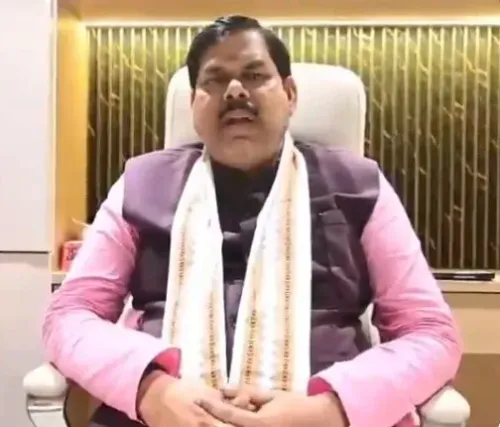
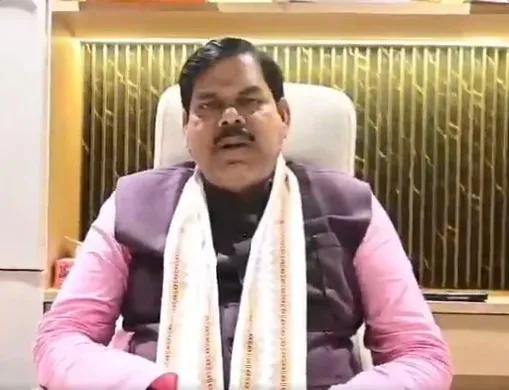
Bihar Education Minister Mithilesh Tiwari on Friday, 31 July confirmed that the state's landmark teacher transfer and rationalisation exercise will be conducted entirely on the basis of individual teacher preferences, with no educator to be posted to a school outside their own submitted choices. The initiative is set to benefit approximately 5.80 lakh teachers across Bihar, making it one of the largest such exercises in the state's education history.
Early Response and Portal Activity
The online application portal went live on 29 July, and within the first two days, 14,796 surplus teachers submitted completed applications, while an additional 7,795 teachers filled out forms but stopped short of final submission — bringing total portal participation to 22,591 teachers in just 48 hours. Separately, 2,142 teachers applied for mutual transfers during the same period.
Minister Tiwari clarified that mutual transfers will be permitted only between teachers of the same category, subject, and class group. Regular teachers may transfer mutually only with other regular teachers, school teachers with school teachers, and Vishishth category teachers with others in the same category.
How the Transfer System Works
Under the new framework, each teacher may select a minimum of one and a maximum of 30 schools through the portal. The Education Department will make placement adjustments exclusively within this self-selected list, ensuring no involuntary postings. Only teachers who apply through the portal will be considered for adjustment.
The policy also distinguishes between male and female teachers. Female teachers will receive priority for schools in panchayats adjoining their current panchayat, while male teachers may select schools within four blocks surrounding their residential block — provisions the Minister said were designed with family and social circumstances in mind.
The Surplus Problem Driving the Exercise
Departmental data shows Bihar currently has 1,06,788 surplus teachers — including approximately 65,413 in Classes 1–5, 16,400 in Classes 9–10, and 14,500 in Classes 11–12. Meanwhile, districts such as Araria, Jamui, and Purnea face acute shortages at the primary level and have been included in the portal's school-choice options to draw voluntary transfers.
The state government's stated benchmark is one teacher for every 30 students. The objective is to redistribute teaching staff more evenly, particularly to schools with high student enrolment but inadequate staff strength. This comes amid growing concerns about learning outcomes in under-resourced rural schools across Bihar.
Early Childhood Education and Anganwadi Link
Given the significant surplus at the primary level, the Education Department is also planning to introduce Bal Vatika or early-childhood education centres in primary schools, in line with the New Education Policy (NEP). Minister Tiwari noted that around 10,000 primary schools have Anganwadi centres attached, and surplus primary teachers could be deployed to teach children enrolled there — a move that would simultaneously address surplus staffing and expand early-childhood coverage.
Five-Year Transfer Cycle and Ministerial Pushback
A significant structural change introduced by the policy is the establishment of a regular transfer cycle every five years — a departure from the earlier practice under which teachers could remain posted at the same school for decades. Minister Tiwari argued that periodic movement would bring fresh energy to schools, expose teachers to new students and working conditions, and encourage healthy competition among educators.
Responding directly to teachers who have resisted transfers after spending 25–27 years at the same school, Tiwari was pointed: 'Even the government changes every five years. In this context, if teachers move to a new school after five years, the children will get new teachers, and the teachers will have the opportunity to work in a new environment.' He questioned whether a government school could be treated as the personal property of an employee, underscoring that service rules apply to all government staff equally.
With guidelines now in place and the portal active, attention will turn to whether the voluntary mechanism draws sufficient participation from surplus teachers in over-staffed districts to meaningfully close the gap in shortage areas.
Point of View
Category-matched mutual transfers, and geography-sensitive rules for women teachers. But the real test is whether surplus teachers in comfortable urban postings will voluntarily choose shortage districts like Araria or Purnea, or whether the portal simply reshuffles the same over-served pockets. The five-year transfer cycle is the bolder reform: it breaks a patronage pattern baked into Bihar's school system for decades, and Minister Tiwari's sharp rebuke of long-tenured resisters signals political will. Whether that will holds when teacher unions mobilise — as they historically have — is the question the next few weeks will answer.
NationPress
15 Sept 2026
Frequently Asked Questions
What is Bihar's teacher rationalisation exercise?
It is a state-wide teacher transfer drive covering approximately 5.80 lakh teachers in Bihar, conducted through an online portal where teachers voluntarily select up to 30 preferred schools. The exercise aims to redistribute the state's 1,06,788 surplus teachers to schools facing shortages, without any involuntary postings.
How many teachers have applied so far?
Within the first two days of the portal opening on 29 July, 22,591 teachers participated — 14,796 submitted completed applications and 7,795 saved drafts without final submission. An additional 2,142 teachers applied for mutual transfers.
Which districts in Bihar face teacher shortages?
Districts including Araria, Jamui, and Purnea currently face shortages at the primary level and have been included in the portal's school-choice options to attract voluntary transfers from surplus areas.
What is the new five-year transfer cycle?
The Bihar Education Department plans to introduce a regular teacher transfer cycle every five years, moving away from the earlier system where teachers could remain at the same school for decades. Minister Mithilesh Tiwari said periodic transfers would bring fresh energy to schools and expose teachers to new working environments.
Are female teachers treated differently under the transfer policy?
Yes. Female teachers receive priority for schools in panchayats adjoining their current panchayat, while male teachers may select schools within four blocks surrounding their residential block. The Minister stated these provisions were designed keeping family and social circumstances in mind.