CM Yogi Backs Bill for 10-Yr Jail, ₹10 Cr Fine on Exam Cheats
Synopsis
The Chief Minister's Office of Uttar Pradesh says the Union Cabinet under PM Modi has decided to bring a bill prescribing up to 10 years in prison and ₹10 crore in fines for organised exam cheating networks, with CM Yogi Adityanath endorsing the move as a decisive step to protect students' futures.
Key Takeaways
The Union Cabinet under PM Narendra Modi has decided to introduce a bill targeting organised exam cheating networks, according to the CMO UP account.
The proposed bill provides for up to 10 years of imprisonment for those found guilty of organised exam malpractice.
Financial penalties under the proposed legislation would go up to ₹10 crore — ten times the ceiling set by the existing Public Examinations (Prevention of Unfair Means) Act, 2024 .
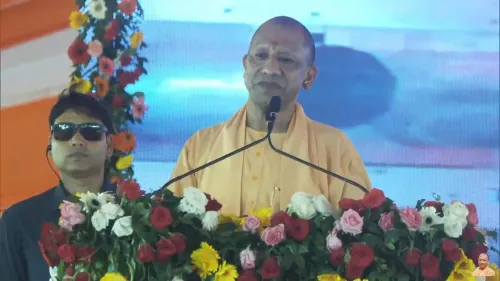
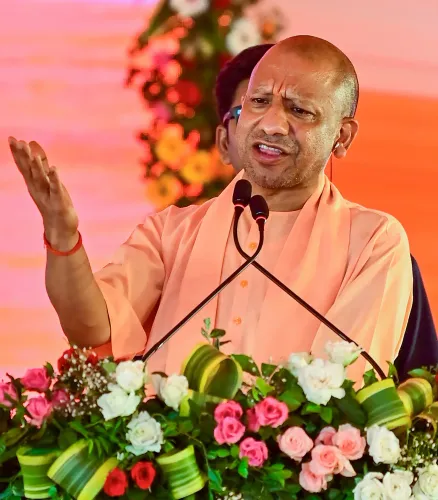
CM Yogi Adityanath publicly endorsed the decision, framing it as protection for students whose futures are jeopardised by cheating syndicates.
Uttar Pradesh has been a focal point of anti-exam-fraud enforcement, with special task forces and multiple arrests targeting 'nakal mafias' in recent years.
The bill must still be tabled and passed in Parliament before it takes legal effect.
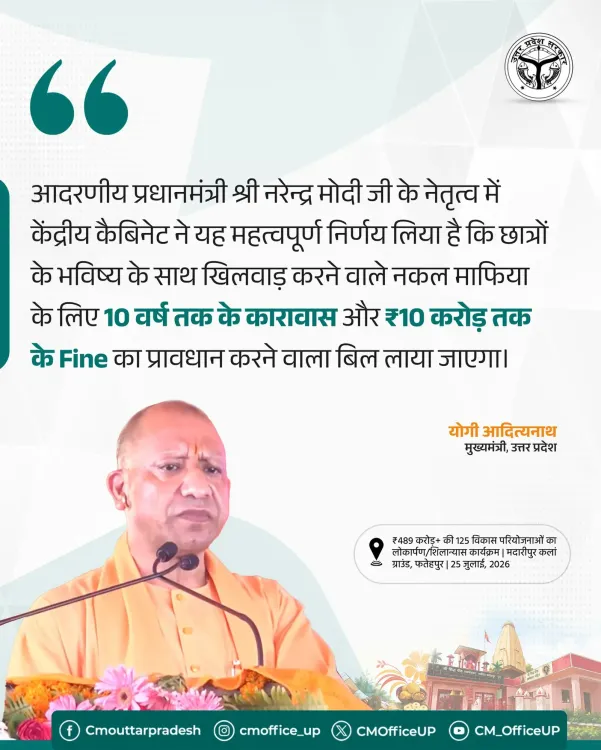
The Chief Minister's Office of Uttar Pradesh, attributing the statement to Chief Minister Yogi Adityanath, announced on Saturday, 25 July 2026, that the Union Cabinet under Prime Minister Narendra Modi has decided to introduce a bill imposing up to 10 years of imprisonment and fines of up to ₹10 crore on organised exam cheating networks, commonly referred to as 'nakal mafias'.
Context
The post, shared from the official CMO UP account, quotes CM Yogi Adityanath welcoming the Union Cabinet's decision. In his words: 'chhatron ke bhavishy ke saath khilwaad karne waale nakal mafia' — those who 'play with the futures of students' — will face up to 10 years in prison and a fine of up to ₹10 crore under the proposed legislation. The announcement signals a sharp escalation in legal deterrents against organised exam malpractice at the central level.
Policy Backdrop
India has witnessed a sustained crisis of credibility in competitive examinations, with paper-leak scandals disrupting high-stakes tests including medical entrance and central recruitment exams. Parliament had earlier enacted the Public Examinations (Prevention of Unfair Means) Act, 2024, which prescribed penalties of up to 10 years' imprisonment and fines of up to ₹1 crore for organised malpractice — a framework that the proposed new bill would significantly strengthen, particularly on the financial penalty side, with the fine ceiling rising tenfold to ₹10 crore.
Uttar Pradesh has been among the states most visibly affected by exam fraud, with multiple arrests and special task forces deployed against cheating networks in recent years. CM Yogi Adityanath, who has governed the state since 2017, has consistently flagged the need for stronger deterrents against these syndicates, making this announcement a natural extension of his administration's stated priorities.
Stakeholders and Impact
The proposed legislation directly affects millions of students and examination aspirants across India who compete for seats in higher education institutions and government jobs. Organised cheating networks distort merit-based selection, disproportionately harming candidates from economically weaker backgrounds who invest years preparing for these exams without access to illicit shortcuts.
Examination bodies, state recruitment boards, and law-enforcement agencies would all be key actors in implementing the new framework. A harsher penalty regime is intended to raise the cost of participation in exam fraud, both for operators of cheating syndicates and for those who facilitate paper leaks within the system.
What's Next
The proposed bill will need to be tabled and debated in Parliament before it becomes law. Observers will watch closely for the bill's precise definitions of 'organised malpractice,' the evidentiary standards required for prosecution, and whether Uttar Pradesh and other states announce complementary enforcement mechanisms or amendments to their own examination-integrity laws. The legislative timeline and the bill's final text remain to be confirmed once it is formally introduced in Parliament.
Point of View
Not merely a law-and-order issue. By attributing the Cabinet decision to PM Modi's leadership and amplifying it through the CMO UP account, the BJP is projecting a unified Centre-state front on examination integrity ahead of potential electoral cycles. The tenfold jump in the financial penalty — from ₹1 crore to ₹10 crore — suggests lawmakers believe existing deterrents have failed to break the commercial incentive structure of cheating syndicates. Whether stronger penalties translate into effective prosecution will depend heavily on investigative capacity and judicial speed, two variables the bill alone cannot fix.
NationPress
23 Oct 2026
Frequently Asked Questions
What is the nakal mafia bill announced by the Union Cabinet?
The Union Cabinet under PM Narendra Modi has decided to introduce a bill that would impose up to 10 years of imprisonment and fines of up to ₹10 crore on individuals and networks involved in organised exam cheating, according to a post by the Chief Minister's Office of Uttar Pradesh on 25 July 2026.
How is the new exam cheating bill different from the 2024 law?
The existing Public Examinations (Prevention of Unfair Means) Act, 2024 provides for up to 10 years in prison and fines of up to ₹1 crore. The proposed new bill would retain the imprisonment ceiling but raise the maximum fine tenfold to ₹10 crore, significantly increasing the financial deterrent.
What did CM Yogi Adityanath say about the exam mafia bill?
CM Yogi Adityanath, quoted via the official CMO UP account, welcomed the Cabinet decision and said the bill would act against those who 'play with the futures of students' by imposing up to 10 years in jail and ₹10 crore in fines on exam cheating networks.
Which exams have been affected by paper leaks in India?
Several high-profile examinations have been disrupted by paper-leak scandals in recent years, including medical entrance tests and central government recruitment exams. Uttar Pradesh has also seen multiple state-level recruitment exams compromised by organised cheating syndicates.
When will the exam mafia bill be passed in Parliament?
The bill has been approved at the Cabinet level for introduction, but it must still be tabled, debated, and passed in Parliament. No specific legislative timeline has been announced yet.