Om Birla urges AI, digitisation to protect 1.7 mn acres of defence land
Synopsis
At the Defence Estates Organisation's centenary in New Delhi, Lok Sabha Speaker Om Birla called for AI and digitisation to protect over 1.7 million acres of defence land, flagging encroachment as a top threat and urging the DEO to blend a century of institutional knowledge with modern technology as it enters its second hundred years.
Key Takeaways
Lok Sabha Speaker Om Birla addressed the Defence Estates Organisation's centenary in New Delhi on 20 November 2026 .
The DEO manages and safeguards more than 1.7 million acres of defence land across India.
Birla called for greater use of AI, digitisation, and modern technology to strengthen land records and curb encroachments.
He stressed that the unique heritage, green cover, and character of military cantonments must be preserved amid rapid urban growth.
Birla urged officers to combine 100 years of institutional knowledge with the technical agility of younger personnel to build stronger systems.
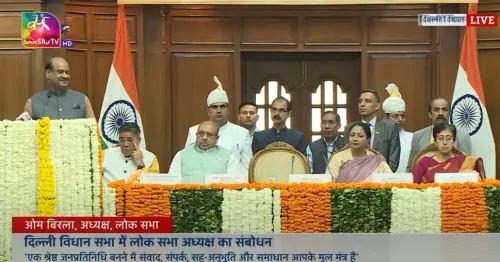
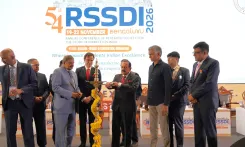
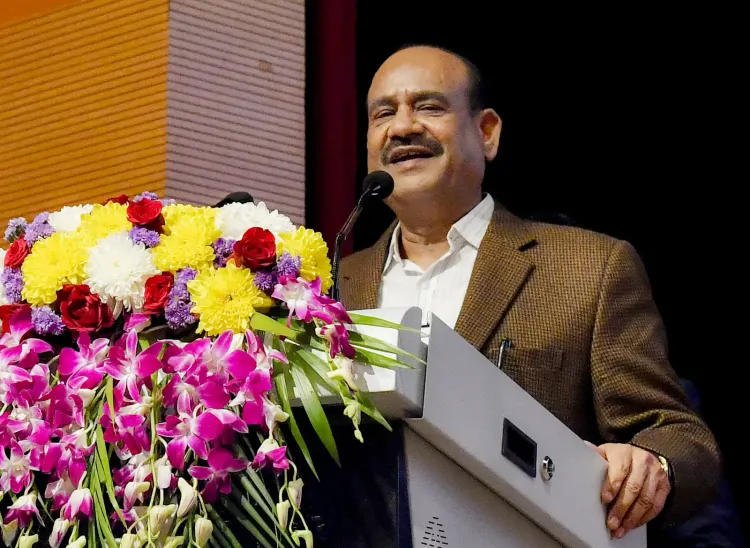
Lok Sabha Speaker Om Birla on Friday, 20 November 2026, called upon the Defence Estates Organisation (DEO) to harness modern technology, digitisation, and Artificial Intelligence (AI) to strengthen the management and protection of defence land across India. His remarks came during the centenary celebrations of the DEO held in New Delhi.
Scale of the mandate
Birla highlighted the enormity of the DEO's responsibility — overseeing and safeguarding more than 1.7 million acres of defence land nationwide. He underlined that accurate, secure, and readily accessible land records are foundational to effective governance of these strategically vital assets. He commended digital upgrades already under way within the organisation, noting that AI and emerging technologies would help address both present operational demands and long-term administrative challenges.
Encroachment and operational readiness
Pointing to encroachment on defence land as a persistent and pressing concern, Birla appreciated the DEO's efforts to carry out accurate surveys and measurements while taking care to avoid unnecessary disputes or hardship for civilians. He stressed that timely land availability and conducive conditions for defence establishments and personnel are essential to national security, and that curbing encroachments must remain a top priority for the organisation.
Preserving cantonment heritage amid urban growth
Speaking on the historical and ecological significance of military cantonments, Birla cautioned that development must be planned thoughtfully so that the distinct character, green cover, forests, and heritage of these spaces are not eroded by rapid urbanisation. He lauded the DEO's civic initiatives for cantonment residents — encompassing schools, healthcare facilities, computer education, skill training, water conservation, recycling, and environmental protection — and called for sustained engagement with civil society to respond to evolving community needs.
Institutional continuity and the road ahead
Emphasising institutional continuity as the DEO enters its second century, Birla encouraged officers and staff to study the laws, rules, and administrative frameworks built over the past 100 years and to draw lessons from former officers. Pairing this institutional wisdom with the technical agility of younger personnel, he said, would build stronger, more resilient systems for the future. He expressed confidence that through innovation, transparency, and a renewed commitment to public service, the DEO will continue to safeguard the nation's valuable defence land, strengthen the operational preparedness of the Armed Forces, and preserve the unique heritage of its cantonments.
Point of View
But the deeper challenge for the Defence Estates Organisation is legal and political, not technological. Encroachments on defence land have persisted for decades largely because civilian-military jurisdictional disputes are slow to resolve in courts, and because cantonment boards have historically been under-resourced for enforcement. Digitising records improves transparency but does not automatically translate into faster eviction orders or smoother land handovers for operational use. The centenary is an apt moment to ask why, with 1.7 million acres under its mandate, the DEO still faces acute land availability pressures — a question that points to governance gaps that no AI tool alone can close.
NationPress
20 Nov 2026
Frequently Asked Questions
What did Lok Sabha Speaker Om Birla say about AI and defence land?
Birla called on the Defence Estates Organisation to use AI, digitisation, and modern technology to strengthen the management and protection of defence land, improve land records, and address encroachment. He made the remarks at the DEO's centenary celebrations in New Delhi on 20 November 2026.
How much land does the Defence Estates Organisation manage?
The Defence Estates Organisation manages and safeguards more than 1.7 million acres of defence land across India. Birla described accurate and secure land records for this vast holding as vital for effective governance and national security.
Why is encroachment on defence land a concern?
Encroachment on defence land is a longstanding problem that can compromise the operational readiness of the Armed Forces by restricting timely land availability. Birla appreciated the DEO's survey and measurement efforts while stressing the need to resolve disputes without causing unnecessary hardship to civilians.
What did Birla say about military cantonments and urban growth?
Birla cautioned that rapid urbanisation must not erode the distinct identity, green cover, forests, and heritage of military cantonments. He said development should be planned thoughtfully to preserve their original character while meeting modern needs.
What is the significance of the Defence Estates Organisation's centenary?
The centenary marks 100 years of the DEO's existence and was the occasion for Birla to call for a forward-looking vision that combines institutional knowledge built over a century with new technology. He encouraged officers to study historical laws and frameworks and to pair that wisdom with the technical skills of younger personnel.