Lok Sabha Speaker Om Birla: House disruptions threaten democratic trust
Synopsis
Lok Sabha Speaker Om Birla used a rare multi-state parliamentary gathering in Chandigarh to name disruptions as a direct threat to democratic credibility — and placed the responsibility squarely on legislators themselves. With presiding officers from 12 states present and four resolutions adopted, the conference is as much a mirror held up to India's fractious legislatures as it is a reform blueprint.
Key Takeaways
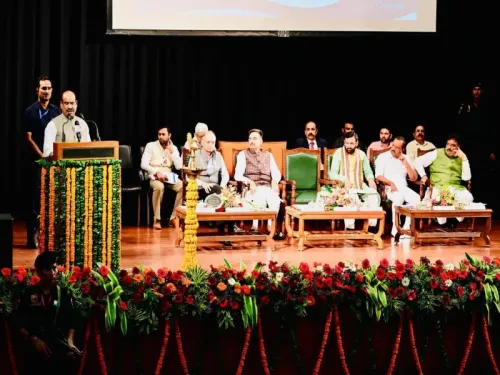
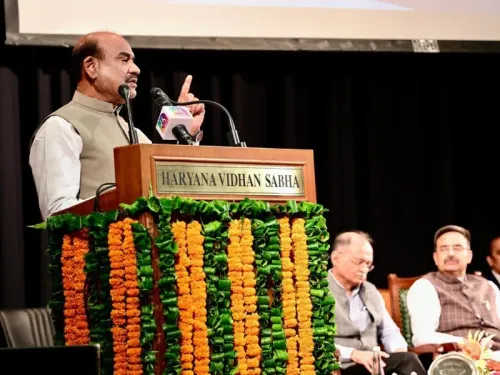
Lok Sabha Speaker Om Birla addressed the CPA India Region Zone-II (North Zone) Conference in Chandigarh on Tuesday, 9 June .
Birla called frequent House disruptions a 'serious challenge' to democratic institutions and urged legislators to self-correct.
The two-day conference concluded with four resolutions to make legislatures more effective, accountable, and people-centric.
Nearly 40 speakers contributed suggestions; presiding officers from 12 states participated.
Birla linked strong legislative conduct to the national goal of Viksit Bharat , emphasising technology, public participation, and constitutional awareness.
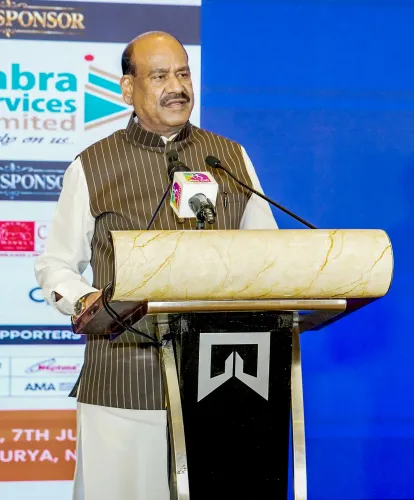
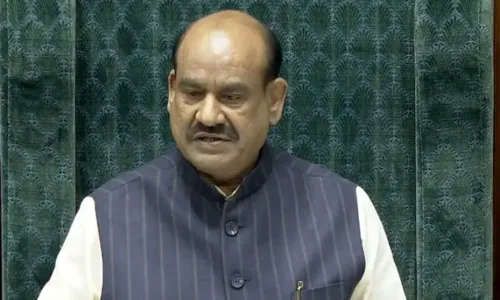
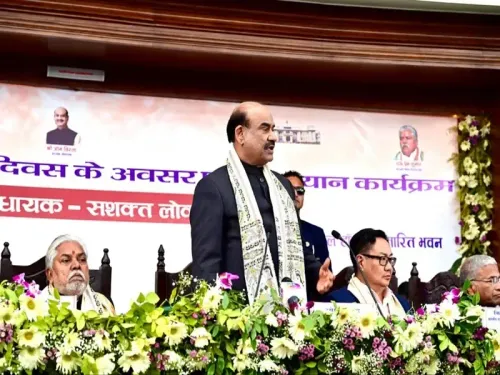
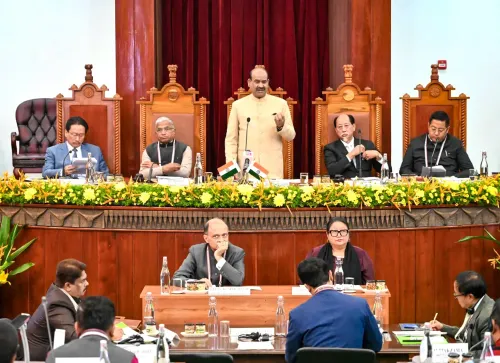
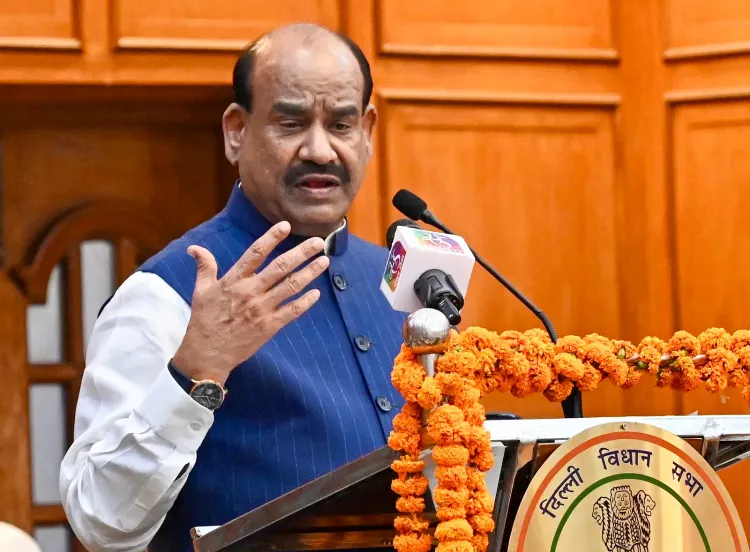
Lok Sabha Speaker Om Birla on Tuesday warned that frequent interruptions and disruptions in legislative Houses pose a serious challenge to democratic institutions, calling on elected representatives to hold themselves to higher standards of conduct. His remarks came at the second Conference of the Commonwealth Parliamentary Association (CPA) India Region Zone-II (North Zone), held in Chandigarh.
The Core Challenge Birla Raised
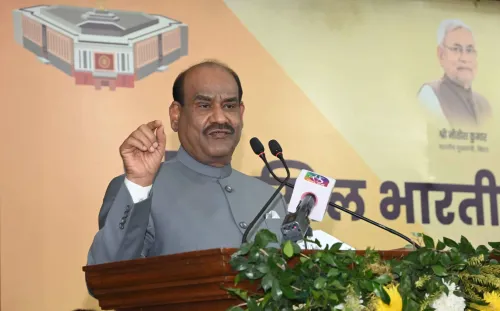
Addressing presiding officers and legislators from across the country, Birla said the solution to parliamentary disruptions 'lies within the legislative institutions themselves by promoting conduct aligned with public expectations, dialogue, and meaningful discussion.' He stressed that strengthening public trust is 'the greatest responsibility of all public representatives today.'
Birla underlined that society is shaped by the behaviour of its leadership. 'The public has elected and sent us here; our conduct has a direct impact on society,' he said, urging legislators to carry these commitments back to their respective states and assemblies.
Conference Outcomes and Resolutions
The two-day conference concluded with four resolutions aimed at making legislative institutions more effective, accountable, and people-centric. Nearly 40 speakers contributed suggestions during the proceedings. Birla expressed confidence that acting promptly on these ideas would increase both public participation and trust in democratic institutions.
Presiding officers from the legislatures of 12 states participated, including core CPA Zone-II members — Haryana, Punjab, Himachal Pradesh, Jammu and Kashmir, and Delhi — as well as representatives from Madhya Pradesh, Maharashtra, Goa, Uttar Pradesh, Rajasthan, Sikkim, and West Bengal.
Viksit Bharat and the Role of Legislatures
Birla linked the quality of legislative conduct directly to the national goal of a Developed India (Viksit Bharat), arguing that strong parliamentary and legislative institutions are its foundation. He identified five priorities: increasing public participation, maximising the use of technology, enhancing legislators' capacity, ensuring citizen involvement in policy-making, and raising constitutional awareness.
He also emphasised India's federal structure, noting that states and the Centre must work in tandem through schemes, laws, and policies to fulfil public aspirations. 'Transformation with new perspectives and fresh ideas is the need of the hour,' he added.
What Comes Next
The resolutions passed at the conference are expected to serve as a framework for legislative reform across participating states. Birla expressed hope that the ideas shared would translate into concrete institutional improvements, reinforcing participatory democracy at both the state and national levels. Whether legislatures act on these commitments — or whether disruptions continue to dominate session headlines — will be the real measure of the conference's impact.
Point of View
But its credibility will be tested against the Lok Sabha's own recent record — sessions marked by walkouts, slogan-shouting, and paper-tearing that have eroded prime legislative time. The irony of a Speaker presiding over some of the most disrupted sessions in recent memory now calling for conduct reform is not lost on observers. Four resolutions from a conference carry weight only if the presiding officers who signed them enforce consequences back home. India's legislative productivity data — hours lost, bills passed without debate — suggests the gap between conference rhetoric and chamber reality remains wide.
NationPress
23 Oct 2026
Frequently Asked Questions
What did Lok Sabha Speaker Om Birla say about House disruptions?
Birla said frequent interruptions and disruptions in legislative Houses pose a serious challenge to democratic institutions. He argued the solution lies within legislatures themselves, through conduct aligned with public expectations and meaningful dialogue.
What was the CPA India Region Zone-II North Zone Conference?
It was a two-day conference of the Commonwealth Parliamentary Association's India Region Zone-II (North Zone), held in Chandigarh. Presiding officers from 12 state legislatures participated, and the conference concluded with four resolutions on legislative reform.
Which states participated in the CPA North Zone conference?
The core Zone-II members — Haryana, Punjab, Himachal Pradesh, Jammu and Kashmir, and Delhi — were joined by Madhya Pradesh, Maharashtra, Goa, Uttar Pradesh, Rajasthan, Sikkim, and West Bengal, totalling 12 state legislatures.
What were the key resolutions passed at the conference?
Four resolutions were adopted, aimed at making legislative institutions more effective, accountable, and people-centric. Specific details of each resolution were not disclosed, but Birla described them as a strong foundation for the future of democratic institutions.
How does Birla connect legislative conduct to Viksit Bharat?
Birla argued that the dream of a Developed India (Viksit Bharat) is anchored on strong parliamentary and legislative institutions. He identified public participation, technology use, legislators' capacity-building, citizen involvement in policy-making, and constitutional awareness as essential pillars.