Assam CM Office: Biswajit Daimary Sworn In as Minister
Synopsis
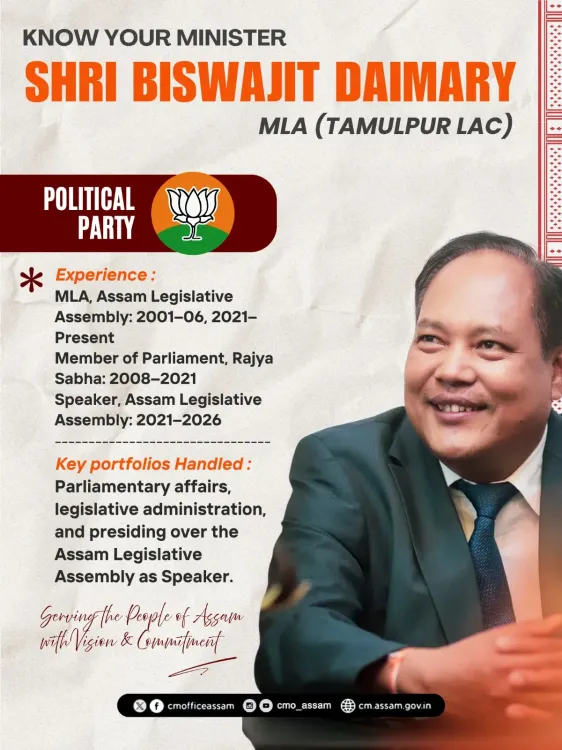
Biswajit Daimary, a Bodo community leader and UPPL politician, was sworn in as a Minister in the Government of Assam on June 5, 2026, deepening the BJP-UPPL coalition's cabinet representation and reflecting the political legacy of the 2020 Bodo Peace Accord.
Key Takeaways
Biswajit Daimary took oath as a Minister in the Government of Assam on June 5, 2026 .
He is a leader from the Bodo community and is associated with the United People's Party Liberal (UPPL) , a coalition partner of the BJP in Assam.
The induction is rooted in the 2020 Bodo Peace Accord , which brought Bodo political groups into mainstream governance structures.
The BJP-UPPL alliance has governed Assam since the 2021 assembly elections under Chief Minister Himanta Biswa Sarma .
Portfolio allocation and development announcements for the Bodoland Territorial Region are expected to follow.
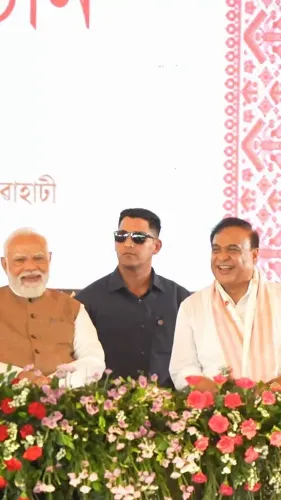
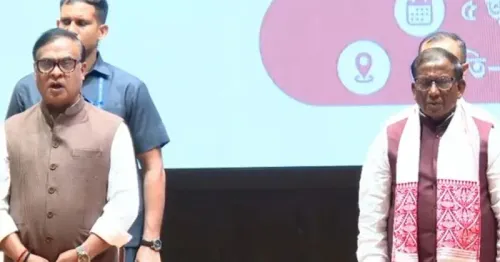
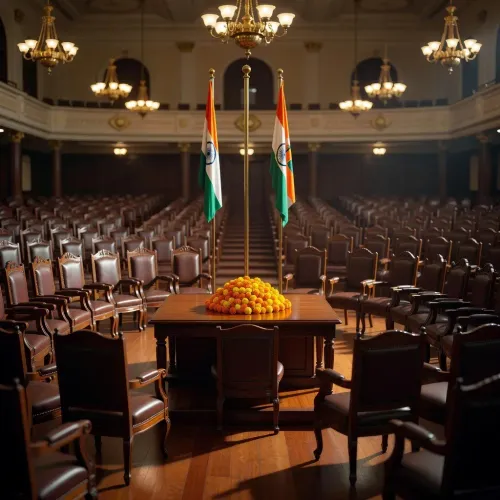
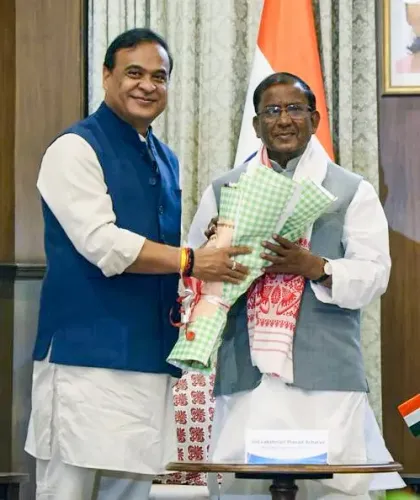
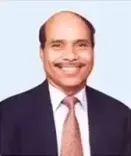
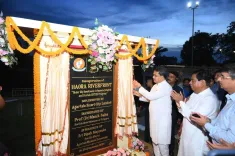
The Chief Minister's Office of Assam announced on Friday, June 5, 2026, that Biswajit Daimary was administered the oath of office as a Minister in the Government of Assam, marking the latest cabinet-level induction in the Himanta Biswa Sarma-led administration.
Context
Biswajit Daimary is a prominent leader from the Bodo community in Assam and is associated with the United People's Party Liberal (UPPL), a key coalition partner of the BJP in the state government formed after the 2021 Assam Legislative Assembly elections. The UPPL, which holds significant influence in the Bodoland Territorial Region, has been an integral part of the ruling alliance since the government's formation. His induction into the council of ministers deepens the representation of tribal communities at the cabinet level.
Policy Backdrop
The appointment draws a direct line to the 2020 Bodo Peace Accord, signed by the Government of India, the Government of Assam, and Bodo groups, which expanded political and administrative autonomy for the Bodo people. A key outcome of the accord was the mainstreaming of Bodo political outfits into the democratic framework of Assam's governance, including their participation in state cabinet formations. The BJP-UPPL alliance that emerged from the 2021 elections was itself a product of this post-accord political realignment.
The Bodoland Territorial Council (BTC), the autonomous elected body governing the Bodoland Territorial Region, remains a focal point of Bodo political aspirations. Cabinet representation for UPPL leaders is seen as a parallel track to the BTC's administrative autonomy, reinforcing the community's stake in both state and regional governance structures.
Stakeholders and Impact
For the Bodo community — one of Assam's largest plains tribal groups — a ministerial berth signals continued recognition at the highest levels of the state executive. Such appointments have historically been accompanied by enhanced development allocations for the Bodoland Territorial Region, covering districts including Kokrajhar, Chirang, Baksa, and Udalguri. Broader tribal constituencies across Assam are also likely to read the move as an affirmation of the coalition's commitment to inclusive governance.
For Chief Minister Himanta Biswa Sarma, the induction reinforces the stability of his coalition arithmetic, maintaining the trust of a regional partner that commands considerable legislative and grassroots influence in lower Assam. The move aligns with the broader Northeast India pattern — documented since 2014 — of accommodating regional tribal parties in state cabinets to sustain political equilibrium.
What's Next
The formal allocation of portfolios to Biswajit Daimary will be closely watched, as the ministries assigned to him will indicate the government's priorities for the Bodoland Territorial Region. Analysts will also monitor the upcoming assembly session for announcements on development schemes targeting the region. Further cabinet reshuffles or expansions, if any, are expected to be signalled through the Chief Minister's Office in the days ahead.
Point of View
Chief Minister Himanta Biswa Sarma signals that the BJP's alliance with Bodo political forces — cemented by the 2020 peace deal — remains operationally intact heading into the latter half of the government's term. This mirrors a well-established Northeast India playbook where tribal regional parties are kept invested in state governance to pre-empt political drift. The key question now is which portfolios Daimary receives, as that will reveal how much executive weight the government is prepared to share with its Bodoland partner.
NationPress
23 Sept 2026
Frequently Asked Questions
Who is Biswajit Daimary and why was he sworn in as Assam minister?
Biswajit Daimary is a Bodo community politician associated with the United People's Party Liberal (UPPL), the BJP's coalition partner in Assam. He was sworn in as a minister on June 5, 2026, as part of the Himanta Biswa Sarma-led government's cabinet, reflecting the BJP-UPPL alliance that has governed Assam since the 2021 elections.
What is the UPPL and what is its role in the Assam government?
The United People's Party Liberal (UPPL) is a Bodo-centric regional party from Assam that entered a coalition with the BJP after the 2021 assembly elections. It is a key partner in the Himanta Biswa Sarma government and holds influence in the Bodoland Territorial Region.
What is the Bodo Peace Accord and how does it relate to this appointment?
The 2020 Bodo Peace Accord was signed by the Government of India, Government of Assam, and Bodo groups to expand political and administrative autonomy for the Bodo community. The accord led to the mainstreaming of Bodo parties like the UPPL into state governance, directly enabling cabinet-level representation for Bodo leaders.
What is the Bodoland Territorial Council?
The Bodoland Territorial Council (BTC) is an autonomous elected body that governs the Bodoland Territorial Region in Assam, comprising the districts of Kokrajhar, Chirang, Baksa, and Udalguri. It was created to provide political and administrative representation to the Bodo people.
Which portfolios has Biswajit Daimary been given in the Assam cabinet?
The specific portfolio allocation for Biswajit Daimary had not been officially announced at the time of his swearing-in on June 5, 2026. The assignment of ministries is expected to be declared by the Chief Minister's Office in the days following the oath ceremony.