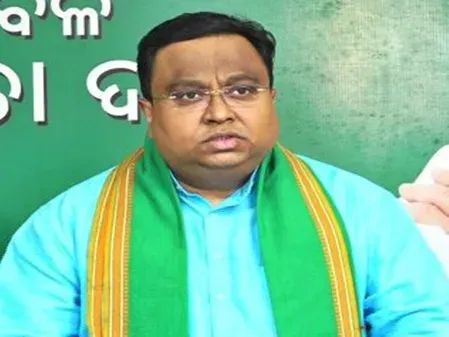
BJD MP Sasmit Patra urges Centre for mega food park in Koraput
Synopsis
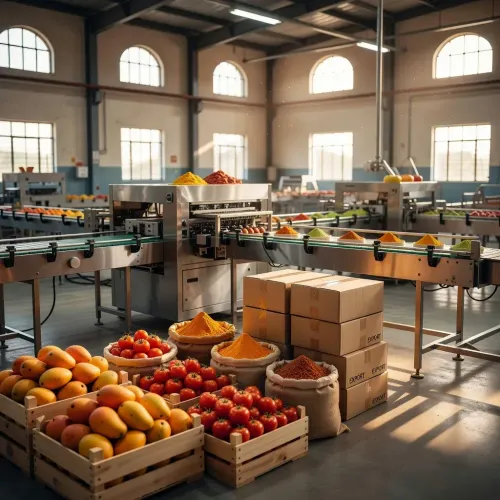
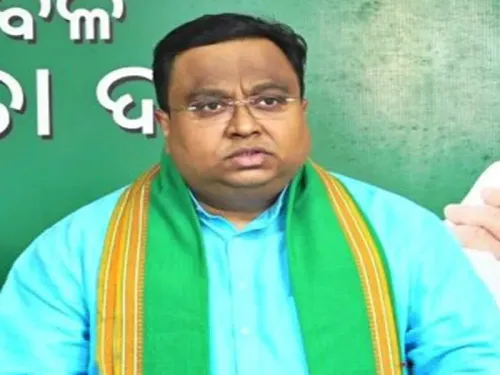
BJD Rajya Sabha MP Sasmit Patra has formally written to Union Minister Chirag Paswan demanding a National Millet, Tribal Agro-Processing and GI Products Mega Food Park for Odisha's undivided Koraput region — arguing that globally emerging products like Koraput Coffee and GI-tagged Kalajeera Rice are being squandered without integrated processing and export infrastructure.
Key Takeaways
BJD MP Sasmit Patra wrote to Union Minister Chirag Paswan on 29 May seeking a national mega food park for the undivided Koraput region.
The proposed park covers four districts : Koraput , Rayagada , Nabarangpur , and Malkangiri .
Patra cited Koraput Coffee and GI-tagged Kalajeera Rice as underleveraged global commodities lacking processing infrastructure.
The proposal calls for the park under the PM Kisan Sampada Yojana framework, with dedicated export and branding centres.
Patra also sought integration of women self-help groups , FPOs , and tribal collectives into the food-processing ecosystem.
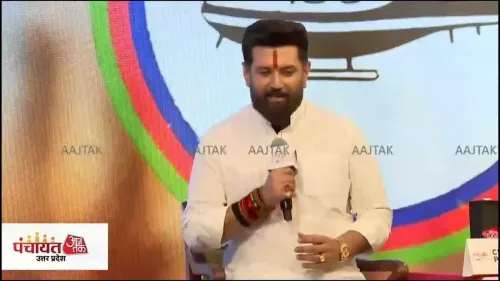
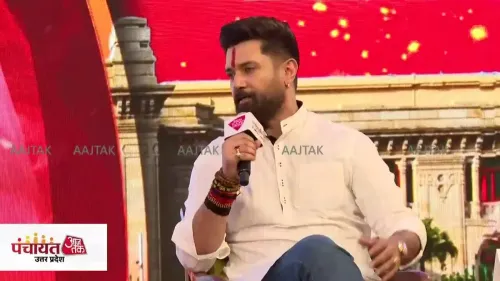
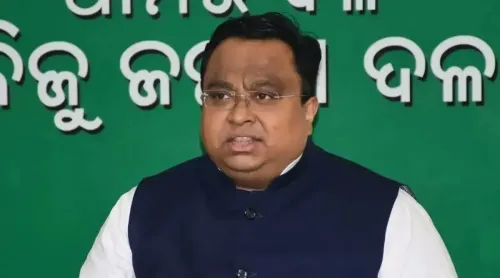
Rajya Sabha MP and senior Biju Janata Dal (BJD) leader Sasmit Patra on Friday, 29 May wrote to Union Minister for Food Processing Industries Chirag Paswan, urging the Centre to establish a national mega food park in the undivided Koraput region of Odisha, covering the districts of Koraput, Rayagada, Nabarangpur, and Malkangiri. The letter makes a case for converting the region's vast agro-tribal heritage into an integrated industrial and export-linked ecosystem.
Why Koraput Was Flagged
Patra drew the minister's attention to what he described as one of India's most underleveraged agricultural landscapes — a region home to nationally recognised millet ecosystems, tribal farming traditions, GI-tagged products, organic farming potential, and globally emerging commodities such as Koraput Coffee and Koraput Kalajeera Rice. The GI status accorded to Kalajeera Rice and the growing global recognition of Koraput Coffee, he argued, have already opened significant economic windows for local farmers that remain largely unexploited.
'Yet despite these extraordinary strengths, the region still lacks a large integrated food-processing and value-addition ecosystem capable of transforming agricultural excellence into sustainable prosperity, rural industrialisation, export-linked growth, and tribal economic empowerment,' Patra said in his letter.
What the BJD MP Has Proposed
Patra urged the Union Ministry to consider establishing a National Millet, Tribal Agro-Processing and GI Products Mega Food Park for the undivided Koraput region under the PM Kisan Sampada Yojana framework. He also called for a dedicated Koraput Coffee Processing, Branding and Export Centre within the proposed park ecosystem.
Additional demands include a Kalajeera Rice value-addition, packaging and export facility; integrated food-testing, certification, and branding infrastructure for tribal and GI-tagged products; and the incorporation of women self-help groups, Farmer Producer Organisations (FPOs), and tribal producer collectives into the processing chain. Expansion of cold-chain, warehousing, and agro-logistics infrastructure across the four districts was also sought.
The Risk of Inaction
Without integrated food-processing infrastructure, cold-chain systems, and export-oriented packaging ecosystems, Patra cautioned, the region risks remaining confined to primary production while the real economic value continues to migrate elsewhere. He framed this as both an economic and social justice concern, noting that tribal agriculture, millet cultivation, and women-led rural enterprises must become instruments of long-term transformation in Odisha's aspirational districts.
Political and Policy Context
Patra also invoked the vision of former Odisha Chief Minister Naveen Patnaik, positioning the proposal as a continuation of farmer-centric and tribal-empowerment priorities that the BJD championed during its tenure in the state. The letter arrives as the Centre's PM Kisan Sampada Yojana continues to fund food-processing clusters nationally, making Koraput's case for inclusion timely. Whether the Union Ministry responds favourably will likely depend on project-readiness reports and state government backing from the current Bharatiya Janata Party (BJP)-led Odisha administration.
Point of View
And Centre-state alignment — not just ministerial goodwill — will determine whether this proposal moves beyond correspondence. The Koraput region's GI credentials and millet ecosystem are genuinely competitive assets, but India has a long record of under-executing on tribal agro-processing clusters despite sound policy frameworks. The PM Kisan Sampada Yojana has the architecture; what Koraput lacks is a project-ready DPR and a state government actively co-sponsoring the pitch. Without that, even a sympathetic minister cannot fast-track the proposal.
NationPress
19 Sept 2026
Frequently Asked Questions
What has BJD MP Sasmit Patra proposed for Koraput?
Patra has urged Union Minister Chirag Paswan to establish a National Millet, Tribal Agro-Processing and GI Products Mega Food Park for the undivided Koraput region, covering Koraput, Rayagada, Nabarangpur, and Malkangiri districts. He also sought a dedicated Koraput Coffee Processing, Branding and Export Centre within the same ecosystem.
Why is the undivided Koraput region significant for food processing?
The region is home to GI-tagged Kalajeera Rice, the globally emerging Koraput Coffee, recognised millet ecosystems, and strong tribal farming traditions. Despite these assets, it currently lacks integrated processing, cold-chain, and export infrastructure to capture full economic value.
Under which government scheme is the mega food park proposed?
Patra has urged the Centre to establish the park under the PM Kisan Sampada Yojana framework, which already funds food-processing clusters and value-addition infrastructure across India.
Who will benefit from the proposed food park?
The primary beneficiaries would be tribal farmers, women self-help groups, Farmer Producer Organisations, and tribal producer collectives in the four districts of the undivided Koraput region, through direct integration into the processing and export chain.
What happens if the food park is not established?
Patra warned that without integrated processing and export infrastructure, the Koraput region risks remaining confined to primary agricultural production while economic value migrates elsewhere — deepening rural poverty in one of Odisha's most aspirational tribal belts.