BJP demands Congress explain 'hidden agenda' at Bharat Summit 2026 Hyderabad
Synopsis
The BJP has turned the Bharat Summit 2026 in Hyderabad into a political flashpoint, demanding Congress explain why it allegedly sought to invite Soros-linked international figures to a domestic policy forum. With 115 visa denials by the Centre and an ED probe into Open Society Foundations already on record, this row touches the live wire of foreign influence in Indian politics.
Key Takeaways
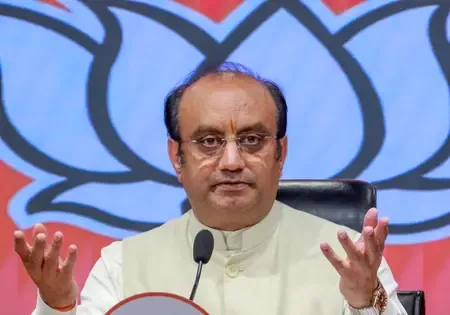
BJP National Spokesperson Sudhanshu Trivedi on 14 November accused Congress of a 'hidden agenda' at the Bharat Summit 2026 in Hyderabad .
The Congress-led Telangana government allegedly sought to invite Ecuador 's former minister Guillaume Long , whose associated body reportedly received $420,000 in 2021 from the George Soros -backed Open Society Policy Centre.
Congress claims the Centre denied visas to 115 of 315 invited speakers; Chief Minister Revanth Reddy has criticised the move.
Salil Shetty , former Amnesty International chief, is also among the flagged invitees over alleged Kashmir-related remarks in a 2019 Harvard interview.
The ED conducted searches at eight Bengaluru premises linked to Open Society Foundations in March 2025 over alleged FEMA violations.
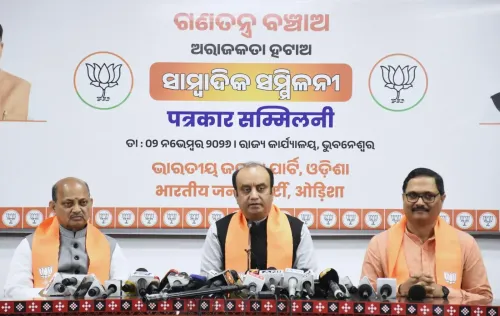
The Bharatiya Janata Party (BJP) on Saturday, 14 November sharply questioned the Indian National Congress over what it called a 'hidden agenda' behind the party's alleged attempt to invite purported 'India baiters' to the Bharat Summit 2026, a two-day event that concluded in Hyderabad. The controversy centres on reports that the Congress-led Telangana government had sought to provide a platform to several international figures with alleged anti-India links.
BJP's Core Allegations
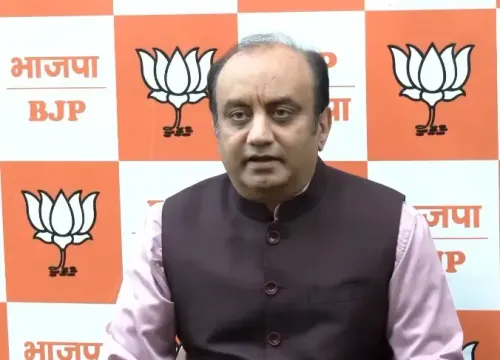
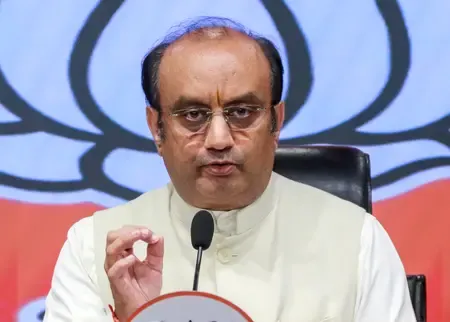
Rajya Sabha MP and BJP National Spokesperson Sudhanshu Trivedi led the charge, accusing the Congress of using the summit to amplify what he described as anti-India narratives on an international stage. 'Congress and Rahul Gandhi have to answer the nation! Is Bharat Summit 2026 in Hyderabad a platform for dialogue or an attempt to provide another international platform to take up anti-India narratives?' Trivedi said.
Trivedi also demanded clarity on the party's alleged ties to international networks, asking: 'Why is Congress bringing such individuals and international networks onto its political platform? This creates deep suspicion about a larger agenda?'
The Soros Connection and Visa Denials
Central to the BJP's accusations is Ecuador's former minister Guillaume Long, whose associated organisation — the Centre for Economic and Policy Research (CEPR) — reportedly received $420,000 in 2021 from the Open Society Policy Centre, backed by American investor George Soros, according to information Trivedi cited as being in the public domain. Trivedi shared these details in a post on X (formerly Twitter).
This comes amid Congress's own counter-allegation that the Centre denied visas to nearly 115 out of 315 speakers invited to the summit. Telangana Chief Minister Revanth Reddy had criticised the Centre's decision, prompting Trivedi's rebuttal that the onus of explanation lies with the Congress.
Other Flagged Invitees
Trivedi also pointed to Salil Shetty, former Secretary General of Amnesty International, who reportedly made 'serious allegations against the Indian government over Kashmir' in a 2019 interview at Harvard University. Additionally, Trivedi noted that in March 2025, the Enforcement Directorate (ED) conducted searches at eight Bengaluru premises linked to Open Society Foundations in connection with alleged violations of the Foreign Exchange Management Act (FEMA).
Congress's Position and the Political Context
The Congress has framed the visa denials as an act of political suppression by the Centre, arguing that the summit was a legitimate forum for global dialogue. The BJP, however, contends that the guest list reveals a pattern of seeking international validation for what it describes as narratives hostile to India's sovereignty and governance record.
Notably, the controversy over foreign funding networks and their alleged links to Indian opposition politics is not new — it has surfaced repeatedly in parliamentary debates and ED investigations over the past several years, making this episode part of a broader and ongoing political fault line.
What Happens Next
With the summit now concluded, the political fallout is likely to spill into parliament and state-level debates. The BJP has made clear it expects a formal response from the Congress on the nature of its international associations, while the Telangana government is expected to push back on what it sees as the Centre's overreach in denying entry to invited guests.
Point of View
It forces Congress onto the defensive on foreign influence — a theme that resonates with a broad domestic audience. What mainstream coverage is missing, however, is the Congress's legitimate grievance: denying visas to 115 of 315 invited speakers at a domestic civil-society event sets a significant precedent for state control over who may participate in opposition-organised public discourse. Both claims deserve scrutiny — the BJP's on the actual nature of invitees' alleged anti-India activities, and the Congress's on whether the visa denials were proportionate or politically motivated.
NationPress
14 Nov 2026
Frequently Asked Questions
What is the Bharat Summit 2026 controversy about?
The Bharat Summit 2026, organised by the Congress-led Telangana government in Hyderabad, became controversial after the BJP alleged that the event was used to platform international figures with alleged anti-India links, including individuals connected to George Soros-backed organisations. Congress, in turn, accused the Centre of denying visas to 115 of the 315 invited speakers.
Who is Guillaume Long and why is he at the centre of the row?
Guillaume Long is a former minister of Ecuador whose associated organisation, the Centre for Economic and Policy Research (CEPR), reportedly received $420,000 in 2021 from the Open Society Policy Centre, backed by American investor George Soros. BJP spokesperson Sudhanshu Trivedi cited this as evidence of a problematic international network being given a platform by Congress.
Why did the Centre deny visas to summit invitees?
The Centre has not publicly detailed its reasons for denying visas to the flagged invitees. The BJP has defended the move, arguing that the individuals in question had records of making statements or holding associations deemed hostile to India's interests. Congress and Chief Minister Revanth Reddy have called the denials an act of political suppression.
What is the Enforcement Directorate's connection to this controversy?
In March 2025, the ED conducted searches at eight Bengaluru premises linked to Open Society Foundations in connection with alleged Foreign Exchange Management Act (FEMA) violations. The BJP has cited this investigation as context for its concerns about the summit's international invitees.
What has Congress said in response to the BJP's allegations?
Congress has framed the visa denials as the Centre's attempt to sabotage a legitimate global dialogue forum. Telangana Chief Minister Revanth Reddy has publicly criticised the decision to bar invited speakers. The party has not yet issued a detailed response to the BJP's specific allegations about individual invitees' foreign funding links.