BJP's Ashoka slams Karnataka govt over ₹5,651 crore transport dues, 40% fare hike
Synopsis
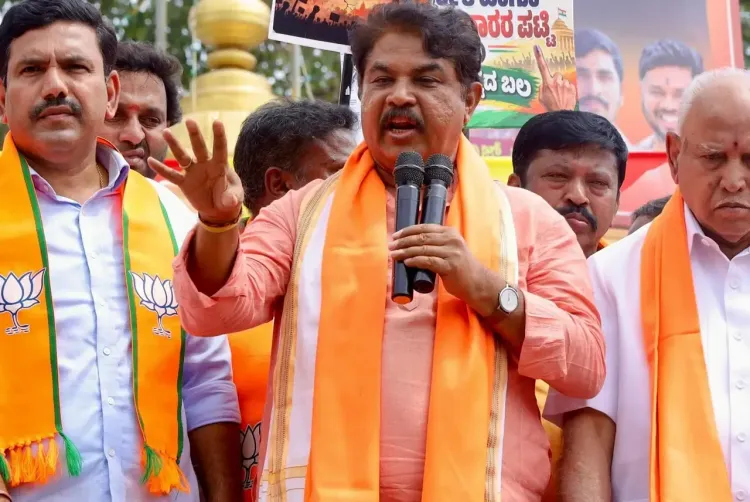
Karnataka's BJP opposition has put a number to the state transport crisis: ₹5,650.95 crore in unpaid government dues, a 40% bus fare hike, and buses allegedly running without headlights. Opposition Leader R. Ashoka is calling it a cover-up and has announced district-level protests across Karnataka on 5 November.
Key Takeaways
Ashoka (BJP) accused the Karnataka Congress government of withholding ₹5,650.95 crore in dues to state transport corporations.
Bus fares have been hiked by up to 40% , which Ashoka called unjustified and anti-people.
Total liabilities of the transport corporations stood at ₹7,130.80 crore as of May 2026 , including salary, provident fund, and gratuity arrears.
Provident fund arrears alone amount to ₹2,901.53 crore ; fuel dues stand at ₹827.37 crore .
Ashoka also flagged a rise in milk and curd prices, estimating an added ₹390 per month to household expenses.
BJP will hold statewide protests at all district headquarters on 5 November 2026 .
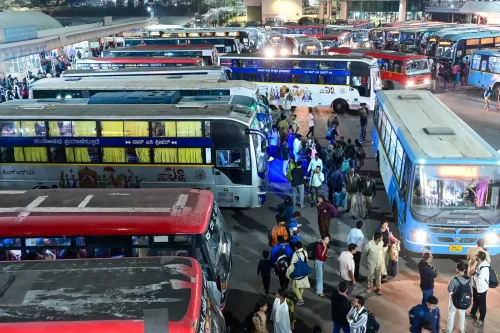
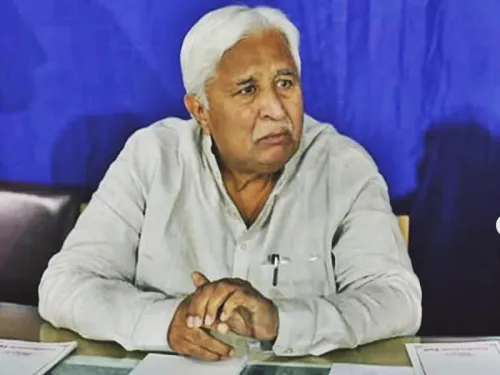
Karnataka Assembly Opposition Leader R. Ashoka on Wednesday, 4 November accused the state's Congress government of pushing public transport corporations into financial distress by withholding ₹5,650.95 crore in dues, while simultaneously hiking bus fares by as much as 40% to mask what he called administrative failures.
The Dues Breakdown
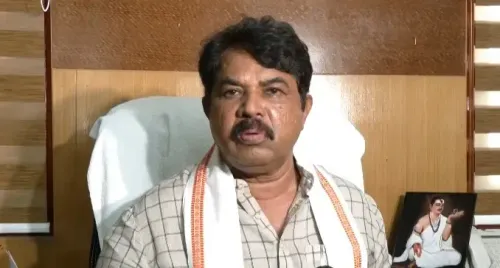
Addressing a press conference in Bengaluru, Ashoka itemised the pending government obligations: ₹2,943 crore owed to the Karnataka Road Transport Corporation (KSRTC), ₹1,306 crore to the North West Road Transport Corporation (NWKRTC), ₹1,019 crore to the Bengaluru Metropolitan Transport Corporation (BMTC), and ₹999 crore to the Kalyan Karnataka Road Transport Corporation (KKRTC). Beyond these principal dues, the corporations also carry employee provident fund arrears of ₹2,901.53 crore and fuel dues of ₹827.37 crore, he said. Total liabilities across the corporations stood at ₹7,130.80 crore as of May 2026, including unpaid salaries, provident fund, and gratuity obligations.
Ashoka's Criticism of the Fare Hike
The Bharatiya Janata Party (BJP) leader described the fare increase as 'worse than the Tughlaq regime', arguing there would have been no need to burden commuters had the government simply cleared its outstanding payments. He alleged the hike was an attempt to cover up financial mismanagement rather than a structurally justified revision. The increase, critics argue, disproportionately affects daily wage workers and lower-income commuters who depend on state-run buses as their primary mode of transport.
Operational Distress on the Ground
Ashoka alleged that the financial squeeze had pushed corporations to the edge of operational viability. He cited specific incidents, including bus steering wheels coming off, passengers being forced to push buses, and a vehicle being driven at night using a mobile phone torch as a substitute for headlights. He also claimed corporations were struggling to procure diesel and spare parts due to unpaid fuel dues.
Ashoka's Tenure and the Land Bank Claim
Recalling his time as Transport Minister, Ashoka said the corporations had recorded profits for five consecutive years under his leadership. He added that the department had purchased 1,110 acres of land using its own funds, creating a land bank now reportedly valued at around ₹10,000 crore. Transport terminals and commercial complexes had generated between ₹40–50 crore in annual rental revenue, he said.
Milk Prices and the Demand for a White Paper
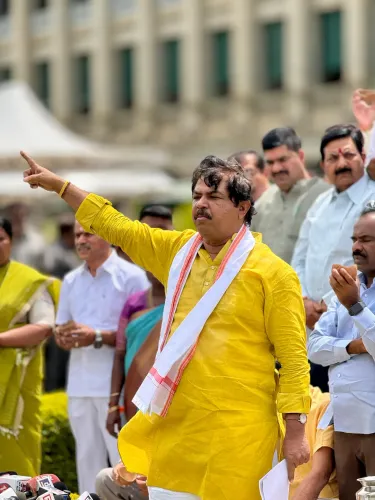
Broadening his attack, Ashoka also criticised recent hikes in milk and curd prices, alleging the government had failed to fulfil its promise of increasing the incentive to milk producers while passing the financial burden on to consumers. He claimed the combined price revisions would add approximately ₹390 to a family's monthly expenditure. Accusing Chief Minister D.K. Shivakumar of making promises without financial backing, he demanded a white paper on the state's finances and the funds available with the Finance Department. The BJP announced statewide protests at all district headquarters, including Bengaluru, on 5 November, and urged the public to join the agitation against the fare hike.
Point of View
But the underlying numbers deserve scrutiny on their own terms. A ₹7,130-crore liability overhang across four state transport corporations is a genuine governance concern, not merely opposition talking points. The fare hike, if indeed close to 40%, is regressive in a state where KSRTC and BMTC are the primary commute option for the urban working poor. What is conspicuously missing from the debate is an independent audit of the corporations' books — the Congress has not contested the figures publicly, and without a white paper or CAG review, both sides are essentially arguing from their own spreadsheets.
NationPress
4 Nov 2026
Frequently Asked Questions
Why did Karnataka hike bus fares?
The Karnataka government increased bus fares on state-run transport corporations reportedly to address the financial distress of those corporations. BJP Opposition Leader R. Ashoka alleges the hike — of up to 40% — was necessitated by the government's own failure to clear ₹5,650.95 crore in pending dues to the corporations.
How much does the Karnataka government owe its transport corporations?
According to R. Ashoka, the state owes ₹2,943 crore to KSRTC, ₹1,306 crore to NWKRTC, ₹1,019 crore to BMTC, and ₹999 crore to KKRTC — a combined ₹5,650.95 crore. Beyond this, provident fund arrears total ₹2,901.53 crore and fuel dues stand at ₹827.37 crore.
What protests has the BJP announced over the fare hike?
The BJP has announced statewide protests at all district headquarters across Karnataka, including Bengaluru, on 5 November 2026. R. Ashoka appealed to the public to join the agitation against what he called an arbitrary and anti-people fare increase.
What is the financial condition of Karnataka's transport corporations?
As of May 2026, the total liabilities of Karnataka's state transport corporations stood at ₹7,130.80 crore, covering unpaid salaries, provident fund dues, and gratuity. Ashoka alleged corporations are struggling to buy diesel and spare parts, citing operational breakdowns as evidence.
What else did R. Ashoka criticise the Karnataka government for?
In addition to the bus fare hike, Ashoka criticised recent increases in milk and curd prices, alleging the government failed to raise incentives for milk producers while burdening consumers. He estimated the price revisions would add around ₹390 to a family's monthly expenditure, and demanded a white paper on the state's finances from Chief Minister D.K. Shivakumar.