BJP eyes record Lok Sabha seats in East, Northeast in 2029, says Himanta Biswa Sarma
Synopsis
Assam CM Himanta Biswa Sarma is betting big — publicly claiming the BJP will win a record haul from the ~142-seat eastern and northeastern bloc in 2029. With NDA already dominant in the Northeast and the BJP eyeing West Bengal ahead of 2026, the two-region strategy could reshape how the next Lok Sabha majority is built.
Key Takeaways
Assam CM Himanta Biswa Sarma claimed on 22 June that the BJP will win a record number of seats from eastern and northeastern India in the 2029 Lok Sabha elections .
The two regions together account for approximately 142 of 543 Lok Sabha seats — Northeast ( 25 seats ) and eastern India ( ~117 seats ).
The NDA won a majority of Northeast seats in the 2024 Lok Sabha elections ; BJP retained dominance in Assam .
In the 2021 West Bengal Assembly polls , the BJP won 77 seats , up from just 3 seats in 2016, and is now the principal opposition.
Sarma's remarks coincide with the BJP's push to strengthen its organisational presence in West Bengal ahead of the 2026 state elections .
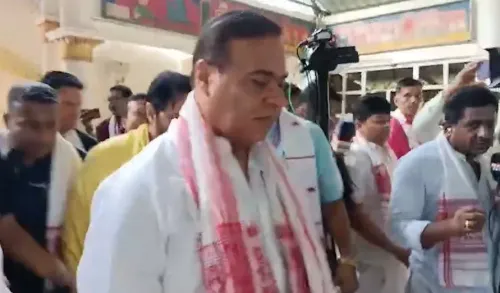
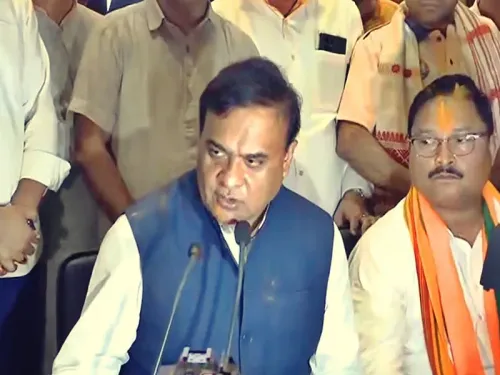
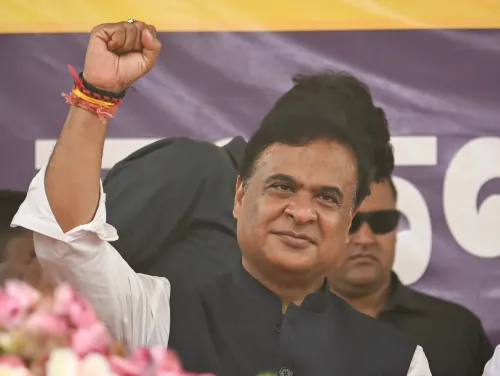
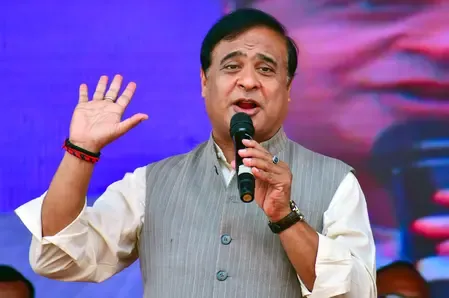
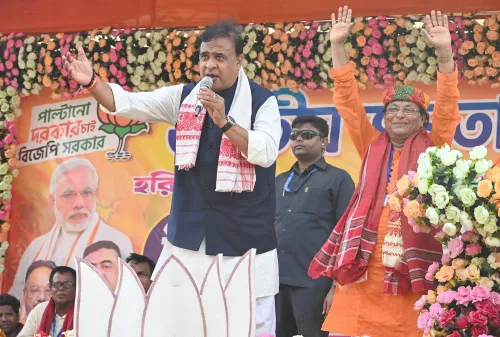
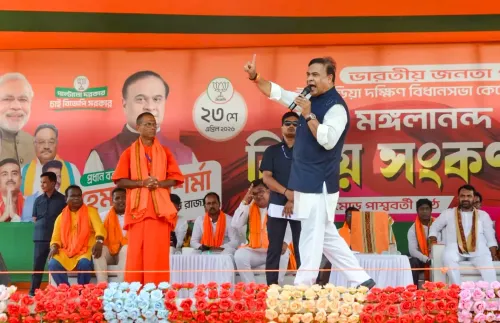
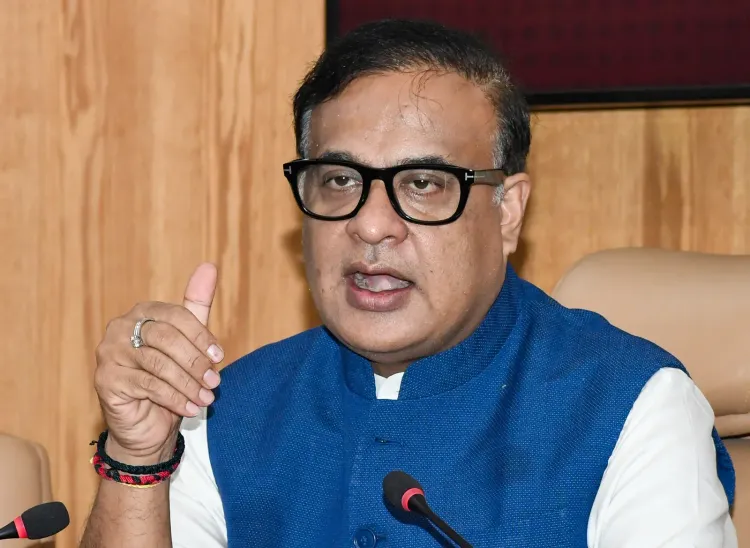
Assam Chief Minister Himanta Biswa Sarma on Monday, 22 June declared that eastern and northeastern India will be decisive in the 2029 Lok Sabha elections, asserting that the Bharatiya Janata Party (BJP) is on course to win a record number of parliamentary seats from these regions. Sarma made the remarks at the Republic Media Summit in New Delhi.
What Sarma Said
'The eastern and northeastern states will deliver a decisive number of seats in the upcoming 2029 general elections. The BJP will win a record number of seats from these regions, and this part of India will play a crucial role in ensuring the party's victory,' Sarma said at the summit.
He further argued that political and economic integration across the two regions is creating a new growth corridor. 'Today, the entire eastern and northeastern region is coming together. We are integrating politically and economically, and this emerging unity will have a significant impact on India's future,' he added.
The Electoral Weight of the Two Regions
The Northeast comprises eight states that together send 25 members to the Lok Sabha. Eastern India — covering West Bengal, Odisha, Bihar, and Jharkhand — contributes approximately 117 seats. Combined, the two regions account for roughly 142 of the 543 seats in the lower house, making them a critical theatre in any national electoral contest.
BJP's Track Record in the Region
The BJP has steadily expanded its footprint across the Northeast over the past decade and currently participates in ruling alliances in most states there. In the 2024 Lok Sabha elections, the National Democratic Alliance (NDA) secured a majority of seats from the Northeast, with the BJP retaining dominance in Assam specifically.
Notably, Sarma's comments come as the BJP intensifies its organisational efforts in West Bengal ahead of the 2026 Assembly elections. In the 2021 West Bengal Assembly polls, the BJP emerged as the principal opposition, winning 77 seats — a sharp jump from just 3 seats in 2016.
Why This Matters
The BJP's pivot toward eastern and northeastern India reflects a broader strategic calculation: with competition intensifying in traditional strongholds, consolidating the 142-seat bloc could prove decisive in determining who forms the next government. Critics, however, note that translating organisational presence into Lok Sabha seats — particularly in West Bengal, where the All India Trinamool Congress (TMC) remains entrenched — is a substantially harder task than the party's current rhetoric suggests.
With the 2029 general elections still years away, the BJP's ability to convert its Northeast alliances and Bengal opposition gains into a record seat tally will depend on governance outcomes, coalition stability, and the evolving political landscape in each state.
Point of View
But the 142-seat bloc is only as valuable as its West Bengal component — and Bengal has consistently resisted BJP's conversion attempts despite the 2021 surge. The gap between 77 Assembly seats and competitive Lok Sabha numbers in Bengal is wide; TMC's grip on booth-level organisation has not collapsed. The deeper question is whether the BJP is building a genuine eastern corridor or front-loading expectations to energise cadre ahead of a difficult 2026 Bengal election cycle.
NationPress
22 Jun 2026
Frequently Asked Questions
What did Himanta Biswa Sarma say about the 2029 Lok Sabha elections?
Assam Chief Minister Himanta Biswa Sarma claimed on 22 June that the BJP is poised to win a record number of Lok Sabha seats from eastern and northeastern India in 2029. He made the remarks at the Republic Media Summit in New Delhi, arguing that political and economic integration across the two regions would prove decisive.
How many Lok Sabha seats do eastern and northeastern India together hold?
The Northeast sends 25 members to the Lok Sabha across eight states, while eastern India — West Bengal, Odisha, Bihar, and Jharkhand — contributes approximately 117 seats. Together, the two regions account for roughly 142 of the 543 seats in the lower house.
How did the BJP perform in the Northeast in the 2024 Lok Sabha elections?
The NDA secured a majority of seats from the Northeast in the 2024 Lok Sabha elections, with the BJP retaining its dominance in Assam. The party is currently part of ruling alliances in most northeastern states.
Why is West Bengal significant to the BJP's 2029 strategy?
West Bengal alone sends 42 members to the Lok Sabha, making it the largest single contributor within the eastern bloc. The BJP emerged as the principal opposition after winning 77 Assembly seats in 2021, up from 3 in 2016, and is now strengthening its organisation ahead of the 2026 state elections as a stepping stone to 2029.
What challenges does the BJP face in achieving a record seat tally in these regions?
Despite organisational growth, the BJP faces entrenched opposition — particularly from the All India Trinamool Congress in West Bengal. Critics note that converting Assembly-level gains into Lok Sabha seats requires a different scale of mobilisation, and TMC's booth-level organisation remains formidable.