Did BJP Secure Six Unopposed Wins in Maharashtra Municipal Elections?
Synopsis
In a surprising turn of events, the BJP has achieved six unopposed victories in Maharashtra's municipal elections. This early success could significantly impact the upcoming voting scheduled for January 15, reflecting the party's growing influence and public support ahead of the elections.
Key Takeaways
BJP's six unopposed victories provide early momentum.
Kalyan-Dombivli Municipal Corporation has three unopposed wins.
Women leaders lead the BJP's early successes.
Technical rejections of rival nominations played a significant role.
Upcoming elections are set for January 15 .
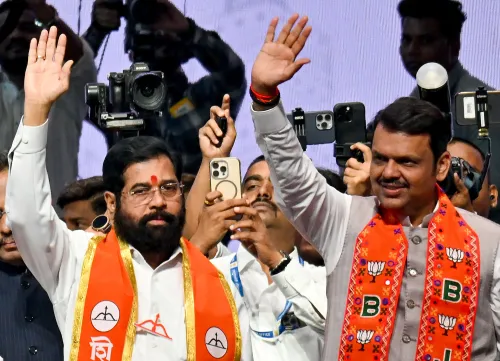
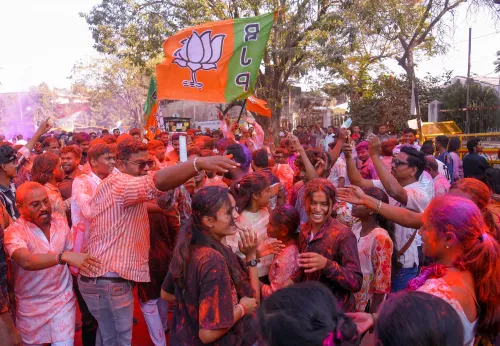
Mumbai, Dec 31 (NationPress) Following the conclusion of nomination paper scrutiny for the elections to 29 municipal corporations in Maharashtra, the Bharatiya Janata Party (BJP) has made significant strides, as six of its candidates were elected unopposed prior to polling. These developments have provided the party with early momentum ahead of the elections slated for January 15.
In the Kalyan-Dombivli Municipal Corporation (KDMC), the BJP achieved an unopposed victory in three wards. Rekha Chaudhary was elected unopposed from Ward 18-A, which is reserved for OBCs. A seasoned corporator and the district president of the BJP Mahila Morcha, she was the only candidate to file nomination from this ward. Asawari Navre, making her electoral debut and coming from an RSS-associated family, secured an unopposed win from Ward 26-C. Ranjana Perkar also won unopposed from Ward 26-B, marking a trio of early wins for the party in KDMC.
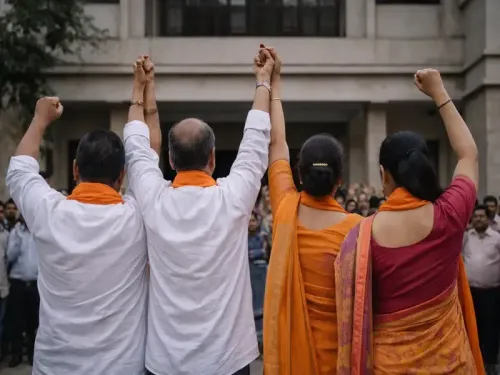
BJP state president Ravindra Chavan extended his congratulations to the winners, highlighting that the party's early successes were led by women. He also arranged a video call for the unopposed candidates with Chief Minister Devendra Fadnavis.
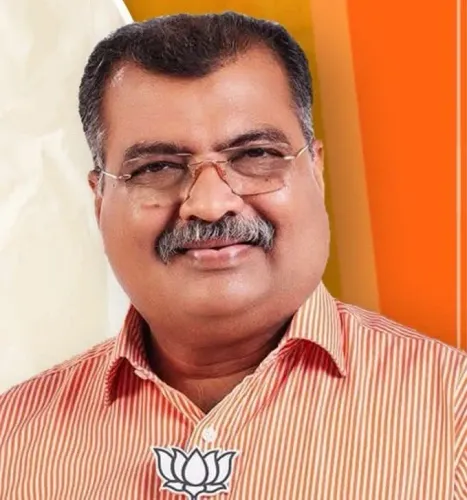
In the Panvel Municipal Corporation, BJP candidate Nitin Patil was elected unopposed from Ward 18-B after his sole opponent, Rohan Gawand of the Peasants and Workers Party, had their nomination rejected due to an invalid caste certificate.
Furthermore, the BJP claimed two unopposed seats in the Dhule Municipal Corporation. In a surprising political move, Ujjwala Bhosale, wife of the NCP (Sharad Pawar faction) city district president Ranjit Bhosale, joined the BJP just two days prior. Her victory was confirmed after all rival nominations were rejected during scrutiny. Jyotsna Praful Patil also won unopposed from Ward 6-B after no other candidates submitted nominations against her.
Most of these unopposed wins stemmed from the rejection of opposing nominations on technical grounds or the lack of contenders in reserved wards.
Reflecting on these developments, Chief Minister Devendra Fadnavis remarked that every seat holds significance, and unopposed victories indicate a robust level of public trust and a lack of viable opposition in specific regions. Party officials stated that these early achievements have uplifted the morale of their cadre ahead of the main polling date.
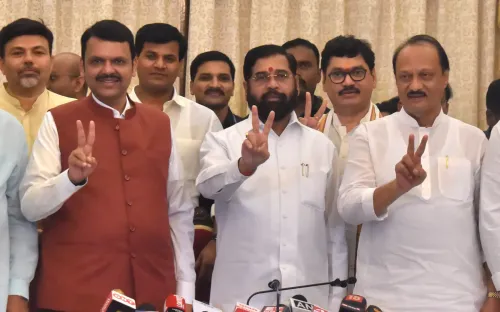
The municipal elections have also revealed divisions within the ruling Mahayuti alliance. Despite a seat-sharing arrangement between the BJP and Shiv Sena (Shinde faction) in Mumbai and Thane, they could not agree on the distribution of seats in 24 out of the 29 municipal corporations. Consequently, constituent parties—BJP, Shinde-led Shiv Sena, and Ajit Pawar-led NCP—will compete against each other in numerous cities, including Jalna, Parbhani, Latur, Amravati, Pimpri-Chinchwad, Chhatrapati Sambhajinagar, Solapur, Akola, Malegaon, Nanded, Nagpur, Sangli, Nashik, Dhule, Pune, Mumbai, Thane, Ulhasnagar, Navi Mumbai, Mira-Bhayandar, Bhiwandi, and Vasai-Virar.
The BJP–NCP (Ajit Pawar) alliance is currently limited to Akola, Ahilyanagar, and Panvel, while the BJP–Shiv Sena (Shinde) alliance is active only in Chandrapur, Nagpur, Mumbai, Thane, Kalyan-Dombivli, and Bhiwandi.
Moreover, constituents of the Mahayuti will be in direct contests in Ichalkaranji (friendly fight), Kolhapur, Jalgaon, and Panvel.
Point of View
The BJP's early unopposed victories signal a strong public backing and a lack of formidable opposition in certain areas. These developments might reshape the electoral dynamics and underscore the BJP's strategic positioning within Maharashtra's political framework.
NationPress
26 Sept 2026
Frequently Asked Questions
What does unopposed victory mean in elections?
An unopposed victory occurs when a candidate is the only one to file a nomination for a specific position, leading to their automatic election without the need for a vote.
When are the municipal elections in Maharashtra scheduled?
The municipal elections in Maharashtra are scheduled for January 15.
How many municipal corporations are involved in these elections?
The elections involve 29 municipal corporations across Maharashtra.
What role do technicalities play in candidate nominations?
Technicalities, such as invalid documentation, can lead to the rejection of candidates' nominations, affecting the electoral competition.
What impact does the BJP's early success have on the elections?
The BJP's early victories may bolster its morale and public perception, potentially influencing voter sentiment ahead of the main polling day.