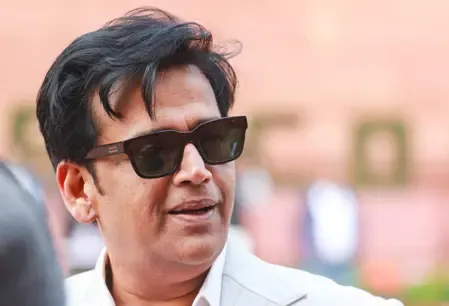
BJP's Bengal win: Ravi Kishan says Modi ended dynasty politics
Synopsis
The BJP's projected sweep of West Bengal, Assam, and Puducherry is prompting sharp rhetoric from party leaders. MP Ravi Kishan's claim that Modi has 'ended dynasty politics' signals how the BJP intends to frame this result — not just as an electoral win, but as a structural shift in Indian democracy.
Key Takeaways
BJP was on course to form governments in West Bengal , Assam , and Puducherry as counting neared completion on 4 May .
BJP MP Ravi Kishan credited PM Modi and Home Minister Amit Shah , saying Modi has "brought an end to dynasty politics." BJP MP Kamaljeet Sehrawat alleged CM Mamata Banerjee 's 15-year "authoritarian rule" and purported inaction in the RG Kar case drove voter anger.
Sehrawat also alleged Banerjee blocked Central schemes including Ayushman Bharat in West Bengal.
BJP MLA Maithili Thakur said the mandate reflects voters' desire to end TMC's alleged "hooliganism" and "loot."
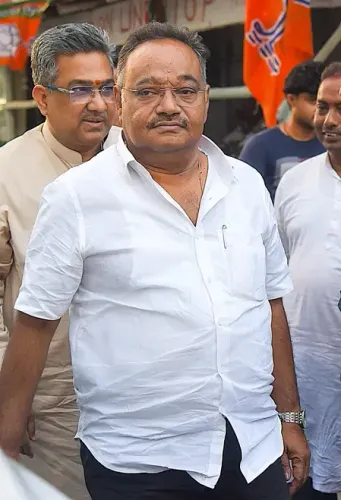
New Delhi: As the final rounds of vote-counting unfolded on 4 May, the Bharatiya Janata Party (BJP) appeared certain to form governments in West Bengal, Assam, and Puducherry. Crediting the sweep to Prime Minister Narendra Modi's leadership, BJP MP Ravi Kishan declared that the Prime Minister "has brought an end to dynasty politics."
Ravi Kishan Credits Modi and Shah
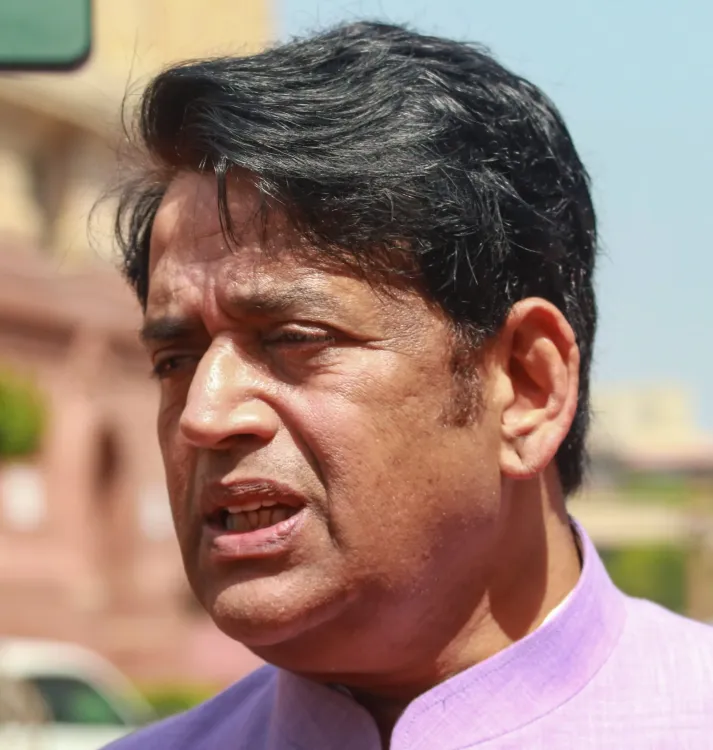
Speaking to IANS, BJP MP Ravi Kishan attributed the party's strong showing in West Bengal directly to the efforts of both Prime Minister Narendra Modi and Home Minister Amit Shah. "This is the result of PM Modi's faith and the Home Minister Amit Shah's hard work," Kishan said.
He also remarked that "the Bengali community have saved their identity and existence," framing the result as a decisive verdict by the electorate in favour of change.
Kamaljeet Sehrawat Cites Mamata Banerjee's 'Authoritarian Rule'
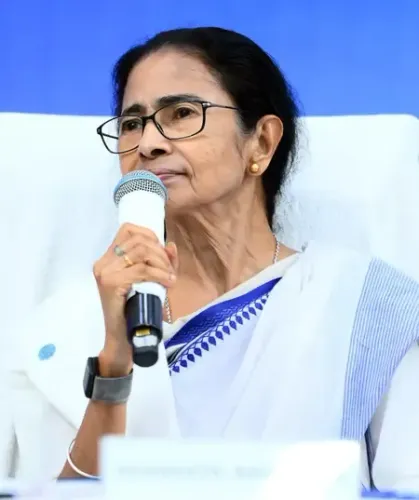
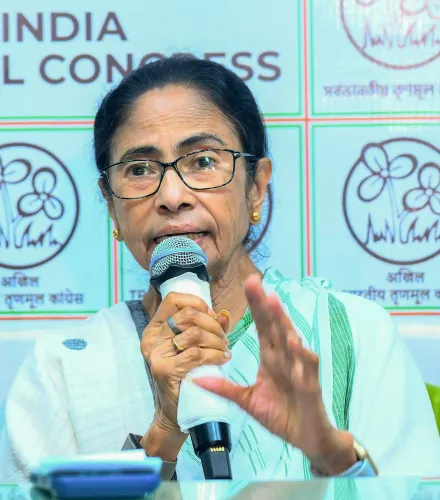
BJP MP Kamaljeet Sehrawat told IANS that the party's victory in West Bengal was not an overnight development. "For the past 15 years, people have witnessed Chief Minister Mamata Banerjee's increasingly authoritarian behaviour," she said.
Sehrawat alleged that Chief Minister Banerjee's purported inaction following the sexual assault and murder of a trainee doctor at RG Kar Medical College and Hospital had generated significant "anger" among women and youth in the state. She further alleged that Banerjee "did not allow the policies of the Central government to be implemented in West Bengal like the 'Ayushman Bharat' scheme," adding that "Mamata Banerjee's arrogance, authoritarian rule and corrupt government have been responsible for this."
Sehrawat assured that the Central government, alongside the incoming state government in Bengal, would work towards the state's overall progress. "If people want, change is certain," she added.
Maithili Thakur: Change Was Visible During Campaigning
BJP MLA Maithili Thakur said that even during the campaign period, "it was clear" that voters were seeking a change in government. "For such a huge regime change, there are several factors which the people of the state must have calculated. Each person must have thought about their next generation as well," she told IANS.
Thakur asserted that the results reflect the people of Bengal's desire to end what she described as the All India Trinamool Congress (TMC)'s "hooliganism" and "loot." "They want a party of good governance," she said.
What Comes Next
With the BJP poised to form governments in West Bengal, Assam, and Puducherry, the party's leadership has signalled a focus on implementing Central government schemes that it alleges were blocked under the previous dispensation. All eyes will now be on government formation timelines and the BJP's choice of chief ministerial faces, particularly in West Bengal, where the political transition would mark the end of over a decade of TMC rule.
Point of View
Not just a state-level claim. West Bengal has been the party's most coveted conquest since 2019, and the rhetoric from Kishan, Sehrawat, and Thakur suggests the party will use this win to build a counter-narrative against opposition family dynasties ahead of future electoral cycles. Notably, the specific invocation of the RG Kar case signals that the BJP views law-and-order failures — not just governance gaps — as its most potent mobilisation tool in Bengal. Whether the incoming government can deliver on the development promises it has made to voters who lived under TMC for over a decade will be the real test of this mandate.
NationPress
19 Sept 2026
Frequently Asked Questions
What are the West Bengal assembly election 2025 results?
The BJP was on course to form the government in West Bengal as vote-counting neared completion on 4 May, ending the All India Trinamool Congress's over decade-long hold on power in the state. The BJP was also set to form governments in Assam and Puducherry.
What did BJP MP Ravi Kishan say about PM Modi after the results?
BJP MP Ravi Kishan said that PM Modi "has brought an end to dynasty politics," crediting both Prime Minister Modi and Home Minister Amit Shah for the party's strong performance in West Bengal. He also said the Bengali community had "saved their identity and existence."
Why did BJP MP Kamaljeet Sehrawat say the BJP won in West Bengal?
Sehrawat cited Chief Minister Mamata Banerjee's alleged 15-year authoritarian behaviour, purported inaction in the RG Kar Medical College sexual assault and murder case, and the alleged blocking of Central schemes like Ayushman Bharat as key factors behind voter anger.
What is the RG Kar Medical College case and why did it feature in the election?
The RG Kar Medical College and Hospital case involved the sexual assault and murder of a trainee doctor, which triggered widespread protests in West Bengal. BJP leaders alleged that CM Mamata Banerjee's government failed to act decisively, fuelling anger among women and youth voters.
Which states did the BJP win in these assembly elections?
According to counting trends on 4 May, the BJP was certain to form governments in West Bengal, Assam, and Puducherry, marking a significant expansion of the party's footprint across India.