Shiv Sena (UBT) slams BJP's new National Executive as 'arrangement of convenience'
Synopsis
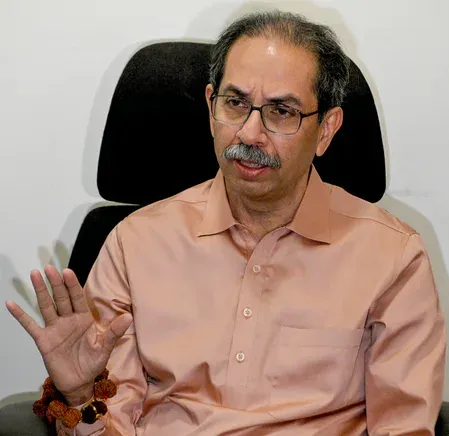
Uddhav Thackeray's Shiv Sena has used its party mouthpiece Saamana to dissect the BJP's new National Executive — branding it an 'arrangement of convenience' that centralises all real power with Modi and Shah. The editorial's sharpest blow targets Union Minister Piyush Goyal's dual role as National Treasurer, calling it a structural conflict of interest in a party sitting on a reported ₹7,000 crore war chest.
Key Takeaways
Shiv Sena (UBT) editorial in Saamana on Wednesday called the BJP's new National Executive an 'arrangement of convenience' lacking real autonomy.
The editorial alleged the lineup took seven months to announce after Nitin Nabin became BJP National President .
Union Commerce Minister Piyush Goyal's appointment as BJP National Treasurer was flagged as a conflict of interest, given the party's reported reserves exceeding ₹7,000 crore .
Ram Madhav returns to the National Executive; Amit Malviya exits the National IT Cell , replaced by Deepak Mhashe .
Tariq Mansoor is the sole Muslim face in the new executive, according to the editorial.
The BJP lost the Bankipur Assembly by-election in Bihar during the interim period, which the editorial linked to Prashant Kishor's strategic involvement.
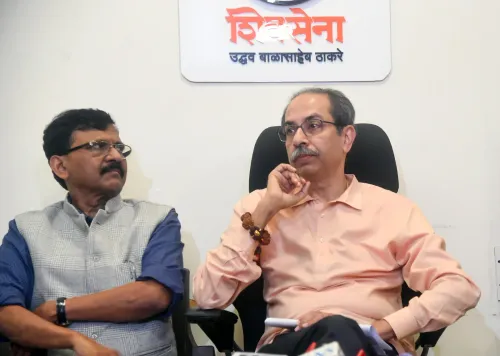
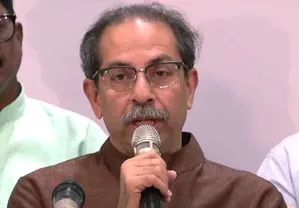
Shiv Sena (Uddhav Balasaheb Thackeray) on Wednesday launched a pointed attack on the Bharatiya Janata Party (BJP), alleging that its newly constituted National Executive lacks genuine operational autonomy and serves primarily as a vehicle for the preferences of the party's central leadership. The criticism was published in the party's official mouthpiece, 'Saamana', in a sharply worded editorial.
The Core Allegation
The Thackeray camp alleged in the editorial that the BJP's new leadership structure functions chiefly 'to carry out the preferences of Narendra Modi and Amit Shah, while the party's real machinery relies on external levers of power.' The editorial dismissed the reshuffle as an 'arrangement of convenience', asserting that formal organisational titles have been distributed without transferring any real decision-making authority.
Notably, the editorial questioned why the new lineup took seven months to be announced after Nitin Nabin assumed the role of National President. 'Finding individuals who will quietly steer the party's carriage in the exact direction desired by PM Modi and HM Shah should not have taken seven months,' it stated, questioning the operational necessity of the executive body altogether.
Bihar By-Election and Electoral Vulnerabilities
The editorial pointed to Bihar as evidence of the BJP's political vulnerabilities during the interim period. It highlighted that Nabin vacated his Bankipur Assembly constituency, and the BJP subsequently lost the seat in the by-election. The Saamana editorial attributed this loss to the strategic presence of Prashant Kishor, claiming it exposed the ruling party's electoral limitations when confronted with formidable political tacticians.
The editorial further alleged that the BJP's newly appointed team carries 'no actual burden to win elections', contending that core election strategy and ground management have been effectively outsourced to state machinery, law enforcement agencies, financial resources, and Electronic Voting Machines (EVMs).
EVM Controversy and International References
Drawing on international discourse, the editorial cited remarks by US President Donald Trump, Tulsi Gabbard, and Elon Musk regarding EVM vulnerabilities and the use of paper ballots in American elections. The editorial contrasted this with India, criticising the Election Commission and the Supreme Court for repeatedly declining demands to revert to paper ballots — a longstanding demand of several Opposition parties.
Piyush Goyal Appointment and Conflict of Interest Charge
Among the key appointments, the Thackeray camp levelled strong ethical objections against the naming of Union Commerce Minister Piyush Goyal as the BJP's National Treasurer. The editorial argued that placing a sitting cabinet minister in charge of party funds for India's wealthiest political entity creates an inherent conflict of interest, where state authority over trade policies and licensing could intersect with political fundraising.
Pointing to the BJP's reported treasury reserves exceeding ₹7,000 crore and its extensive nationwide office network, the editorial asserted that Goyal should have resigned from his government post before accepting the organisational role.
Key Organisational Shifts
The editorial detailed several notable changes in the new lineup. Ram Madhav returns to a prominent role within the National Executive following an absence linked to prior allegations regarding Jammu and Kashmir tenders, made by former Governor Satya Pal Malik. Amit Malviya has been removed from the National IT Cell, with Deepak Mhashe named as his replacement. Smriti Irani returns to party organisational responsibilities, while Vasundhara Raje Scindia and senior Maharashtra leader Vinod Tawde retain their positions as General Secretaries.
The inclusion of Bharati Pawar from Maharashtra came as a surprise to state party ranks, according to the editorial. Tariq Mansoor stands as the sole Muslim face accommodated in the new National Executive, the editorial added.
With the Maharashtra assembly battle still fresh and the Bihar political landscape shifting, the BJP's internal restructuring will face its first real test at the ballot box sooner than the party may prefer.
Point of View
000 crore in reserves is a genuine governance question that goes beyond Opposition rhetoric. What mainstream coverage tends to underplay is the Bihar data point: the Bankipur by-election loss, however localised, is the first sign that a centralised BJP without a functioning state-level organisational spine can be outmanoeuvred on the ground. The broader pattern — EVMs, Election Commission, Supreme Court all cited in one editorial — suggests the Thackeray camp is building a cumulative Opposition narrative ahead of the next electoral cycle, not just scoring a news cycle.
NationPress
19 Aug 2026
Frequently Asked Questions
What did Shiv Sena (UBT) say about the BJP's new National Executive?
Shiv Sena (UBT) called the BJP's new National Executive an 'arrangement of convenience' in an editorial published in its mouthpiece Saamana on Wednesday. The editorial alleged the body lacks genuine autonomy and exists primarily to execute the preferences of Narendra Modi and Amit Shah.
Why did Shiv Sena (UBT) object to Piyush Goyal's appointment as BJP National Treasurer?
The Saamana editorial argued that appointing a sitting Union Commerce Minister as treasurer of India's wealthiest political party — with reported reserves exceeding ₹7,000 crore — creates an inherent conflict of interest. It contended that Goyal's authority over trade policy and licensing could intersect with political fundraising, and that he should have resigned from the cabinet before taking the party role.
What is the significance of the BJP losing the Bankipur by-election?
The Saamana editorial cited the Bankipur Assembly by-election loss in Bihar as evidence of the BJP's electoral vulnerability during the seven-month delay in announcing its National Executive. It attributed the defeat to the strategic presence of Prashant Kishor, arguing it exposed the party's limitations against skilled political tacticians.
Who are the notable figures in the BJP's new National Executive?
Key appointments include Ram Madhav, who returns after a period of absence; Smriti Irani, who is back in party organisational work; and Vasundhara Raje Scindia and Vinod Tawde, who retain their General Secretary posts. Amit Malviya has been removed from the National IT Cell, replaced by Deepak Mhashe. Bharati Pawar from Maharashtra and Tariq Mansoor — the sole Muslim face — are also part of the new executive.
What did the Saamana editorial say about EVMs and paper ballots?
The editorial cited remarks by US President Donald Trump, Tulsi Gabbard, and Elon Musk on EVM vulnerabilities and America's preference for paper ballots. It criticised the Election Commission and the Supreme Court for repeatedly rejecting Opposition demands to revert to paper ballots in India.