Abhishek Banerjee Compares BJP's Election Promises to Chit Fund Schemes
Synopsis
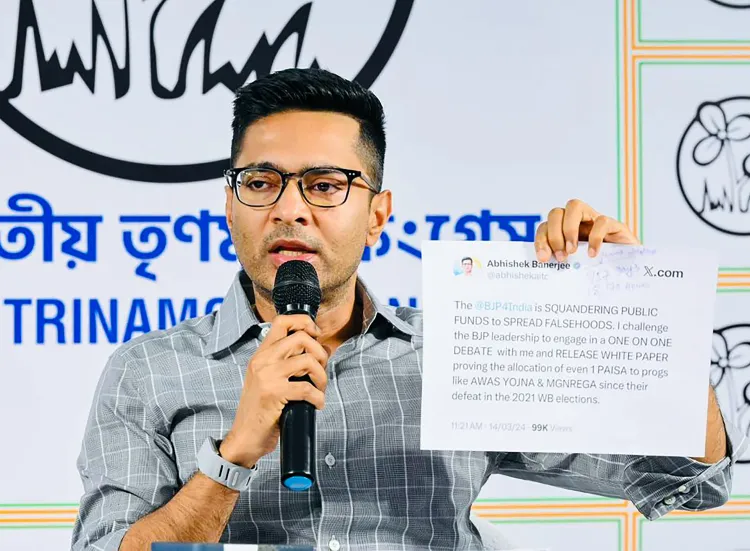
Abhishek Banerjee criticizes BJP's election manifesto, comparing its promises to dubious chit fund schemes. He argues that the BJP's pledges lack substance and are merely attempts to mislead West Bengal's youth and women.
Key Takeaways
Abhishek Banerjee criticizes BJP's manifesto as lacking substance.
Compares BJP promises to chit fund schemes .
Challenges the BJP's federal democracy stance.
Highlights the impact of the Goods and Services Tax on the economy.
Promotes the West Bengal government's Swastha Sathi scheme .
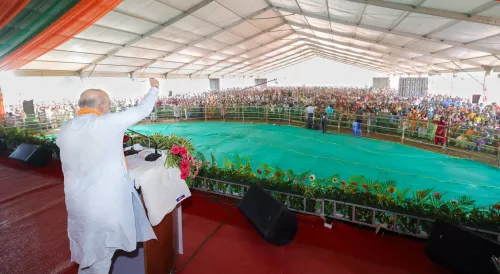
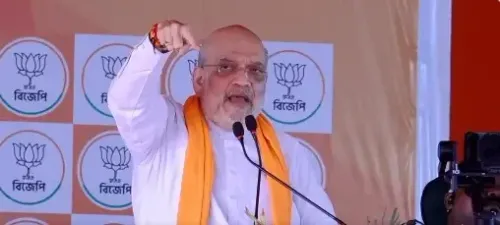
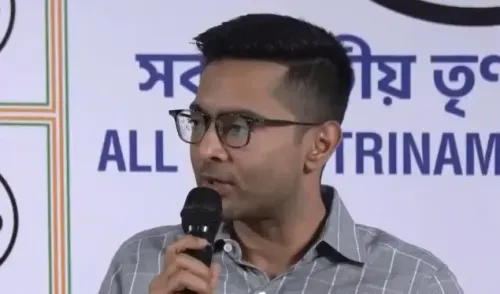
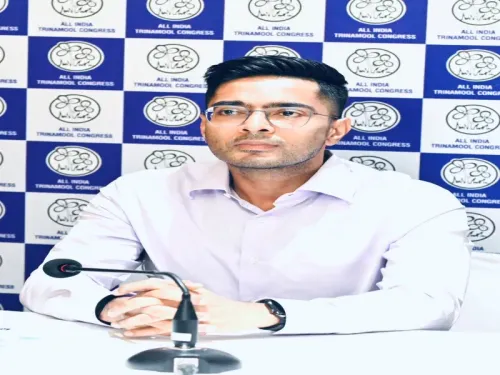
Kolkata, April 10 (NationPress) Following the release of the "Sankalp Patra" (election manifesto) for the West Bengal assembly polls by Union Home Minister Amit Shah on Friday, Trinamool Congress general secretary Abhishek Banerjee likened the manifesto's promises to those made by chit fund or Ponzi schemes, suggesting that they are inflated and insubstantial.
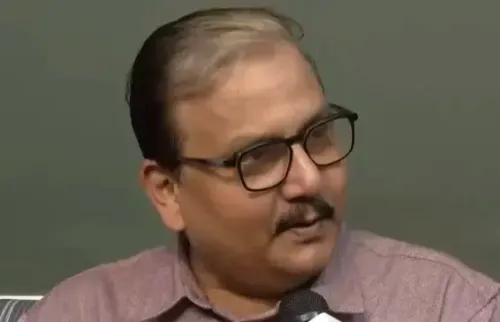
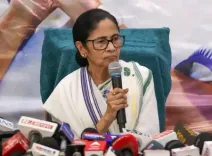
"The BJP's commitments resemble the false assurances offered by chit funds. Their pledges lack credibility. For instance, the proposed monthly allowance of Rs 3,000 for unemployed youth and women is merely another 'jumla'. Initially, the BJP attempted to seize control of West Bengal through various central agencies. After failing, they are now attempting to entice women and youth with deceptive financial promises. The BJP does not uphold the principles of federal democracy," Banerjee stated to reporters.
Shah's manifesto was unveiled in Kolkata, and during the event, Banerjee reiterated his critique of the BJP and the central government's intensive revision efforts in West Bengal.
He remarked that the Union Home Minister should have first expressed regret to the people of West Bengal for the distress caused by the revision process before launching the manifesto.
Banerjee asserted that due to the harassment experienced by the residents of West Bengal during this initiative, the BJP will remain in the opposition for the next two decades.
He also highlighted the BJP's history of neglecting pre-election promises, stating, "They vowed to recover black money, yet no action has been taken in this regard. The uncoordinated execution of the Goods and Services Tax adversely impacted the economy. Now, they seem intent on eroding the fundamental rights of the populace."
Banerjee explained the West Bengal government's stance against the implementation of the Ayushman Bharat scheme, stating, "We opposed Ayushman Bharat because, had we adopted it, nearly 90% of the state's population would not receive the insurance benefits owing to the scheme's restrictive conditions. Instead, we initiated the Swastha Sathi scheme, which imposes no such conditions, allowing everyone to benefit from the state's program."
Point of View
It's crucial to view this statement by Abhishek Banerjee as a reflection of the deep political divisions in India. Such comparisons underscore the skepticism surrounding political promises in a democracy, emphasizing the need for accountability and transparency from elected officials.
NationPress
18 Sept 2026
Frequently Asked Questions
What is the 'Sankalp Patra'?
The 'Sankalp Patra' is the election manifesto released by the BJP outlining their promises and plans for the upcoming assembly polls in West Bengal.
Who is Abhishek Banerjee?
Abhishek Banerjee is the general secretary of the Trinamool Congress and a prominent political figure in West Bengal.
What are the key promises made in the BJP's manifesto?
The BJP's manifesto includes financial assistance promises, such as Rs 3,000 monthly allowances for unemployed youth and women.
What is the Swastha Sathi scheme?
The Swastha Sathi scheme is an initiative by the West Bengal government aimed at providing health insurance to residents without restrictive conditions.
What criticisms did Banerjee have about the BJP?
Banerjee criticized the BJP for making unfulfilled promises, including the recovery of black money and the impact of the Goods and Services Tax on the economy.