BMC Leader Donates ₹1 Lakh to CM Relief Fund for Drought Farmers
Synopsis
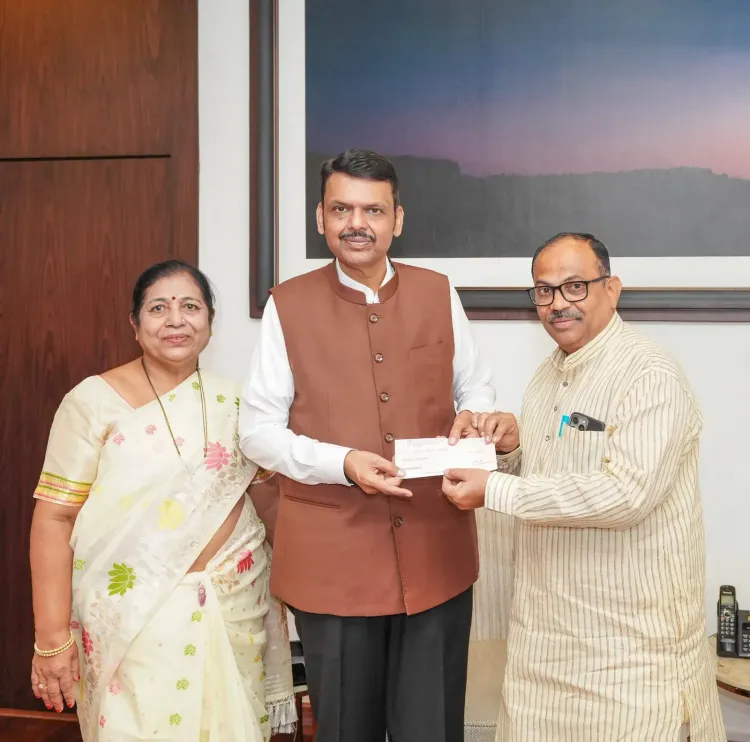
BMC group leader Ganesh Khankar donated ₹1,00,000 to the Chief Minister's Relief Fund in Mumbai, handing the cheque directly to CM Devendra Fadnavis for drought-affected farmers in Maharashtra.
Key Takeaways
Ganesh Khankar , BMC group leader and BJP corporator, donated ₹1,00,000 to the CM Relief Fund for drought-hit farmers.
The cheque was presented directly to Chief Minister Devendra Fadnavis in Mumbai on November 11, 2026 .
The Chief Minister's Relief Fund is Maharashtra's key emergency channel for drought and natural-calamity assistance.
Maharashtra's drought problem is recurrent, especially in Marathwada and Vidarbha , making the fund a regularly activated instrument.
Local civic representatives from the BMC contributing to state rural relief underscores urban-rural solidarity in crisis periods.
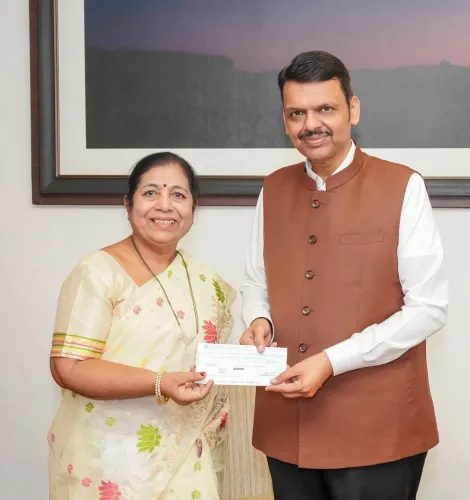
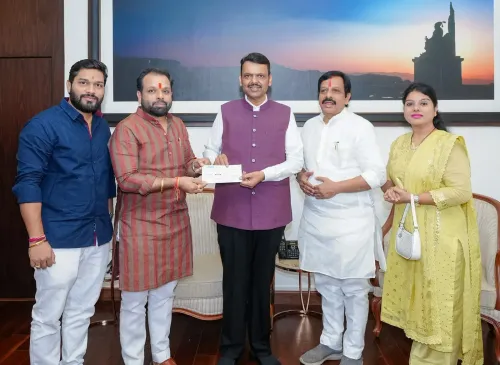
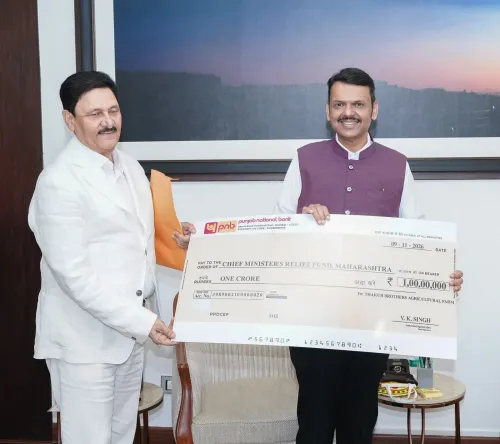
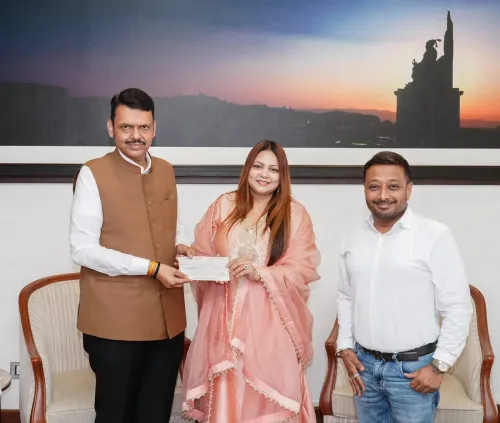
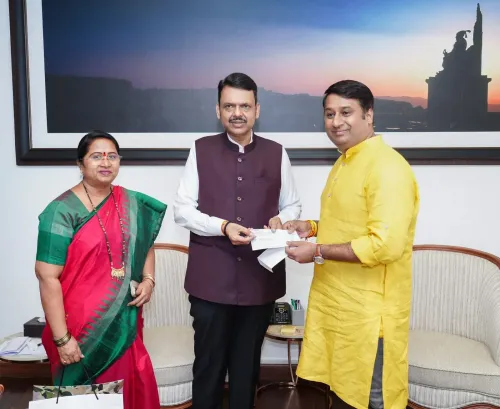
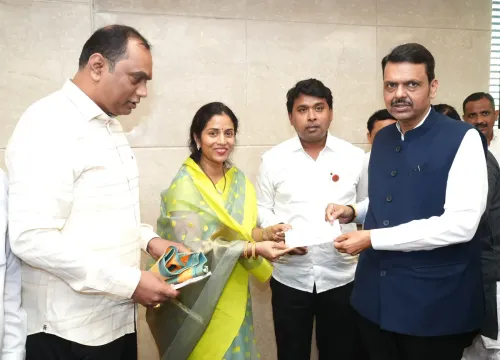
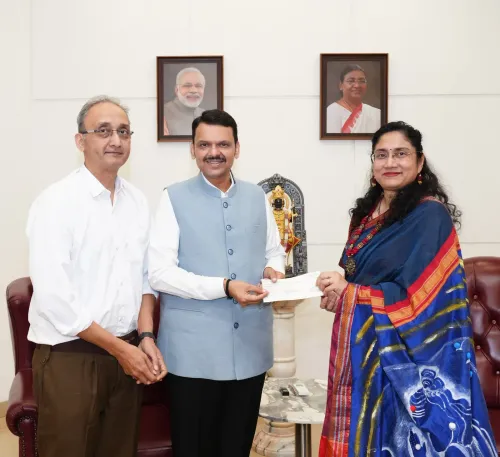
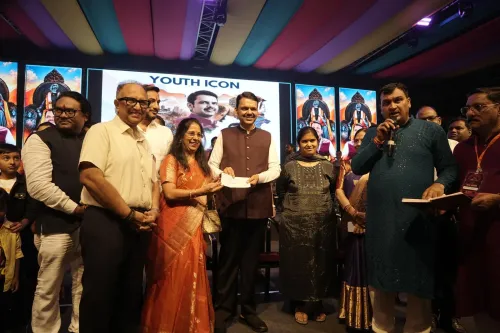
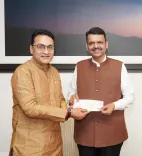
A cheque worth ₹1,00,000 landed on Chief Minister Devendra Fadnavis's desk in Mumbai on Wednesday, November 11, 2026 — handed over by Brihanmumbai Municipal Corporation group leader Ganesh Khankar as a personal contribution to the Chief Minister's Relief Fund for drought-hit farmers across Maharashtra.
The Chief Minister's Office confirmed that Fadnavis personally thanked Khankar for the gesture, with the donation directed specifically toward aiding farmers bearing the brunt of drought conditions in the state.
What the CM Relief Fund does for drought farmers
The Chief Minister's Relief Fund serves as Maharashtra's primary emergency financial channel for natural-calamity relief, including droughts that have periodically devastated agrarian belts like Marathwada and Vidarbha. The fund pools contributions from public figures, corporations, and citizens, then deploys assistance to affected farming households. Maharashtra has a documented history of activating the fund during drought cycles, most notably across drought-declared districts in 2018–19.
Khankar's donation and the symbolic weight of civic solidarity
Ganesh Khankar, a BJP-affiliated corporator and group leader in the BMC — India's wealthiest and most powerful municipal body — represents a pattern of local elected representatives making symbolic contributions to state relief infrastructure during crisis periods. While ₹1 lakh is a modest sum relative to the scale of drought relief needed across Maharashtra's farmlands, the act carries a clear political and civic signal: urban representatives acknowledging rural distress.
Maharashtra's recurrent drought problem is structural. The rain-shadow districts of Marathwada and eastern Vidarbha face near-annual moisture deficits, pushing farmers into cycles of crop failure and debt. The CM Relief Fund is one of several instruments the state uses alongside official government schemes and insurance mechanisms.
With contributions filtering in from civic leaders, the pressure now falls on the state machinery to ensure transparent and timely distribution — the cheque is only as meaningful as the aid that reaches the farmer.
Point of View
Who built his second stint as Chief Minister partly on a 'governance delivery' image, benefits from visible moments of bipartisan civic solidarity around farmer welfare — even when the monetary quantum is symbolic. The BMC's involvement also quietly reinforces the BJP's claim to representation across both Mumbai's municipal corridors and the state's drought-stricken hinterland. Longer term, the real test will be whether the CM Relief Fund's disbursement mechanisms can match the optics of such donations with actual, documented relief reaching farmers in Marathwada and Vidarbha.
NationPress
11 Nov 2026
Frequently Asked Questions
What is the Chief Minister's Relief Fund in Maharashtra?
The Chief Minister's Relief Fund is a state-level emergency fund that collects contributions from individuals, corporations, and public figures to provide financial assistance to victims of natural calamities — including droughts — in Maharashtra.
Who is Ganesh Khankar and why did he donate to the CM Relief Fund?
Ganesh Khankar is a BJP-affiliated group leader and corporator in the Brihanmumbai Municipal Corporation. He donated ₹1,00,000 to the CM Relief Fund on November 11, 2026, specifically to aid drought-affected farmers in Maharashtra.
Which regions of Maharashtra are most affected by drought?
Marathwada and Vidarbha are Maharashtra's most drought-prone regions, facing near-annual moisture deficits that push farmers into cycles of crop failure and financial distress.
Who is the current Chief Minister of Maharashtra?
Devendra Fadnavis is the Chief Minister of Maharashtra and a senior BJP leader. He previously served as CM from 2014 to 2019.
How does the CM Relief Fund help drought-affected farmers?
The CM Relief Fund channels pooled contributions into direct financial assistance for farming households affected by droughts and other natural calamities, supplementing official state schemes and crop insurance mechanisms.