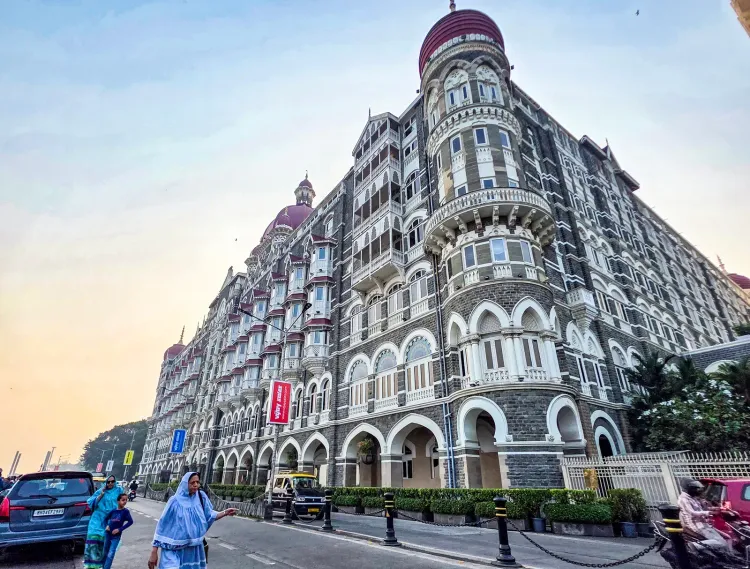
Taj Hotel Mumbai bomb threat declared hoax after full security sweep
Synopsis
For the second time in as many days, a bomb threat rattled a landmark Indian site — this time the Taj Hotel in Mumbai's Colaba. Police traced the hoax call to Navi Mumbai's Turbhe area within hours. The back-to-back false alarms at two of India's most symbolically charged locations — the Taj and the Red Fort — point to a pattern that authorities cannot afford to treat as routine.
Key Takeaways
A bomb threat against the Taj Hotel, Colaba, Mumbai was declared a hoax in the early hours of 13 July after a comprehensive police search.
The caller allegedly told the Navi Mumbai Police Control Room at 12:13 a.m. that 'Dawood has planted a bomb at the Taj Hotel.' Teams from Colaba Police , the Crime Branch , and the BDDS searched the entire premises and found no explosive material.
The call was traced to the Turbhe area of Navi Mumbai ; police are working to arrest the suspect.
A similar hoax bomb threat against Delhi's Red Fort was received and cleared by authorities the previous day, Saturday .
The Taj Hotel was one of the primary targets in the 26/11 Mumbai terror attacks , in which 166 people were killed.
A bomb threat targeting the Taj Hotel in Mumbai's Colaba area was declared a hoax in the early hours of Sunday, 13 July, after police and security agencies conducted an exhaustive search of the premises. The alert was triggered at around 12:13 a.m. when a caller allegedly told the Navi Mumbai Police Control Room that 'Dawood has planted a bomb at the Taj Hotel.'
How the Alert Unfolded
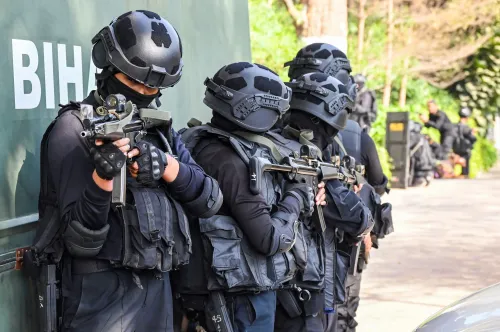
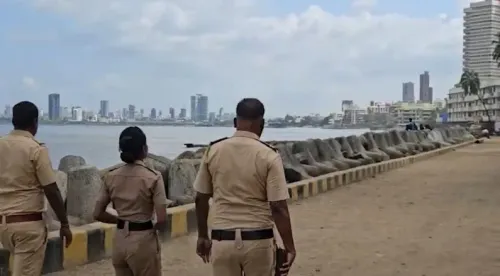
The threatening call was immediately relayed to the Mumbai Police Main Control Room, which activated a multi-agency response. Teams from the Colaba Police, the Crime Branch, and the Bomb Detection and Disposal Squad (BDDS) rushed to the five-star property and began a comprehensive sweep of the premises.
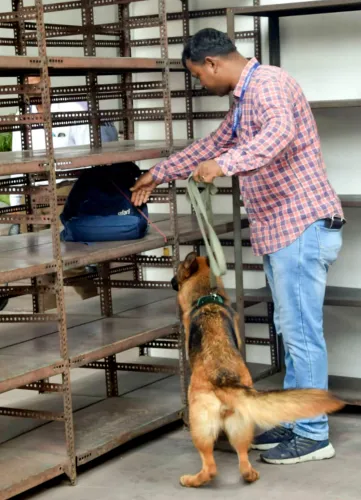
Officers searched the hotel's main lobby, swimming pool, banquet halls, restaurants, parking area, outer premises, and other sensitive locations. After an exhaustive inspection, police confirmed that no suspicious object or explosive material was found. The threat was formally declared a hoax.
Caller Traced to Turbhe, Navi Mumbai
Technical investigation revealed that the threatening call originated from the Turbhe area of Navi Mumbai. Authorities are working with the Turbhe Police to identify and arrest the suspect based on the mobile number used to make the call. A search to apprehend the caller is currently under way.
A Hotel With a Painful History
The Taj Hotel holds a deeply significant place in India's security consciousness. It was one of the primary targets in the 26/11 Mumbai terror attacks, in which 166 people were killed and hundreds more injured. Any threat to the property, however unverified, triggers an immediate and heightened response from law enforcement.
Red Fort Threat the Day Before
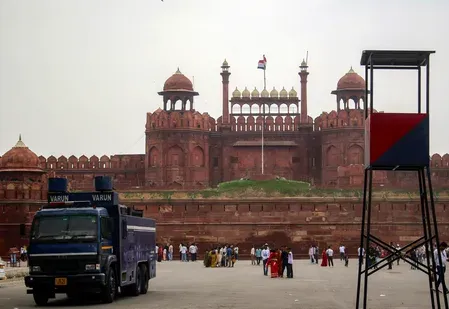
This incident follows a near-identical scare on Saturday, when the Mumbai Police Control Room received a call claiming that Delhi's Red Fort would be blown up. The alert was relayed to the Delhi Police, which directed the North District Police to initiate security measures. Bomb disposal squads and security teams conducted a thorough sanitisation of the monument before confirming that no explosive material was found. That threat, too, was declared a hoax.
The back-to-back incidents have raised concerns about the misuse of emergency response infrastructure, with police now focused on tracing and prosecuting those responsible for both calls.
Point of View
One at the Red Fort — are not just nuisance calls; they are a stress test of India's emergency response infrastructure. Each false alarm deploys scarce BDDS personnel, disrupts high-footfall venues, and, crucially, risks desensitising responders to future alerts. The 26/11 legacy means the Taj will always demand a full response, which is precisely what makes it an attractive target for malicious callers. Authorities need not just prosecution of the Turbhe suspect but a credible deterrent — publicised convictions — to discourage copycat threats.
NationPress
12 Jul 2026
Frequently Asked Questions
Was the bomb threat at the Taj Hotel in Mumbai real?
No. After an exhaustive search by the Colaba Police, Crime Branch, and BDDS on the night of 13 July, no explosive material or suspicious object was found. Police formally declared the threat a hoax.
Who made the bomb threat call and where did it come from?
According to police, an unidentified man called the Navi Mumbai Police Control Room and allegedly claimed that 'Dawood has planted a bomb at the Taj Hotel.' Technical investigation traced the call to the Turbhe area of Navi Mumbai, and a search to identify and arrest the suspect is under way.
Why does a bomb threat at the Taj Hotel trigger such a large response?
The Taj Hotel in Colaba was one of the primary targets in the 26/11 Mumbai terror attacks of 2008, in which 166 people were killed and hundreds injured. Because of that history, any threat to the property immediately activates a multi-agency security response.
Was there a similar bomb threat at another landmark around the same time?
Yes. A day earlier, on Saturday, the Mumbai Police Control Room received a call threatening to blow up Delhi's Red Fort. Delhi Police and bomb disposal squads sanitised the monument and found nothing; that threat was also declared a hoax.
What action are police taking against the caller?
Authorities have identified the mobile number used to make the call and are working with the Turbhe Police in Navi Mumbai to trace and apprehend the suspect. No arrest had been confirmed at the time of reporting.