What Do Experts Recommend for Budget 2026?
Synopsis
As the Union Budget 2026-27 approaches, industry experts are calling for increased health funding and GST relief on critical medical supplies. With rising cancer and thalassemia cases, the need for robust public health investment is more urgent than ever. Discover the key recommendations aimed at transforming India's healthcare landscape.
Key Takeaways
Experts recommend raising public health spending to 2.5-5% of GDP.
GST exemptions on lifesaving equipment and vaccines are crucial.
Investment in technology-enabled care is essential.
Support for domestic manufacturing can improve healthcare access.
A tax-funded universal health care system is vital for all citizens.
New Delhi, Jan 22 (NationPress) In anticipation of the Union Budget 2026-27, industry analysts have called upon the government to enhance health funding and provide GST exemptions for lifesaving equipment and vaccines, particularly benefiting thalassemia and cancer patients.
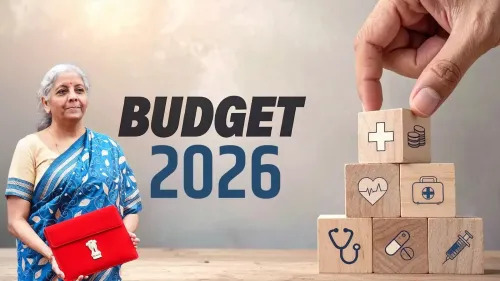
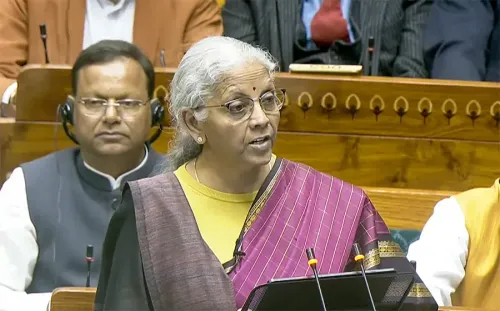
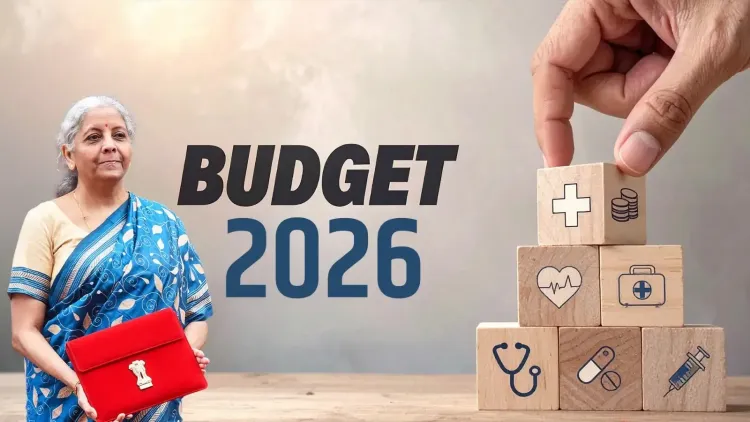
The Finance Minister, Nirmala Sitharaman, is set to present the Union Budget on February 1 at 11 am.
Highlighting the escalating prevalence of non-communicable diseases and cancers nationwide, experts are advocating for substantial investments in public health infrastructure, preventive measures, and technology-driven healthcare solutions.
They noted that the current public health expenditure falls significantly short of the National Health Policy goal of 2.5 percent of GDP, lagging behind benchmarks established by similar developing nations.
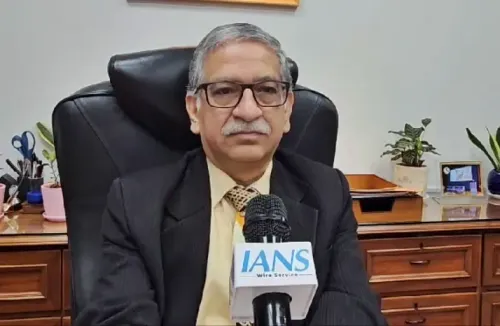
Jyotsna Govil, chairperson of the Indian Cancer Society in Delhi, informed IANS that many preventable and treatable cancers still result in fatalities due to late detection and unequal access to care.
“India needs to elevate public health spending to between 2.5 and 5 percent of GDP. This includes investing in population-based screening, universal HPV vaccination, establishing district-level cancer centers, ensuring affordable access to new therapies, and expanding the Ayushman Bharat program,” Govil stated.
“Implementing GST exemptions for lifesaving equipment, consumables, and vaccines, along with responsible FDI regulation, sustained investment in public awareness, and prevention initiatives are crucial to alleviating suffering, managing costs, and fostering a cancer-resilient India,” the expert added.
Deepak Chopra of the Thalassemia Patients Advocacy Group (TPAG) urged the government to make lifelong care more affordable for thalassemia patients by reducing taxes and promoting the production of generic medications within India.
“Currently, a customs duty of 32 percent and a GST of 12 percent apply to infusion pumps, while chelation medications incur a 5 percent GST. Essential medical devices, such as bedside filters, are also taxed at 5 percent GST,” Chopra told IANS.
“Since these medicines and devices are vital for thalassemia patients, we strongly appeal for the complete removal of customs duties and GST on these items to lessen the financial strain on patients and their families,” he remarked.
Dr. Vinay Aggarwal, former National President of the Indian Medical Association, mentioned that tax-funded universal healthcare with a fundamental health package for all citizens could significantly enhance the nation's health sector.
“We must increase public health allocations to between 2.5 and 5 percent of GDP, fortifying government hospitals and human resources. Reforms to PMJAY should incorporate outpatient care, realistic package rates, direct benefit transfers, co-payments, and timely reimbursements while supporting small and medium hospitals through infrastructure financing, subsidies, and credit guarantees. There should also be GST exemptions on lifesaving equipment, consumables, and all vaccines,” Aggarwal stated.
He emphasized the importance of regulating FDI in healthcare, ensuring data protection, fostering innovation, and establishing a National Healthcare Fund.
Pavan Choudary, Chairman of the Medical Technology Association of India (MTaI), suggested broadening insurance coverage to include more effective procedures that enhance patient outcomes and stimulate responsible medical innovation.
Rajiv Nath, Forum Coordinator of the Association of Indian Medical Devices (AiMeD), advocated for an increase in tariffs from the current 7.5 percent to between 10 and 15 percent to support domestic manufacturing and incentivize suppliers with over 50 percent local value addition.
Point of View
The recommendations put forth by experts reflect a collective urgency to align health spending with global benchmarks. This proactive approach could pave the way for a healthier future, ultimately benefiting millions of citizens.
NationPress
19 Sept 2026
Frequently Asked Questions
Why is there a need for increased health spending in India?
Increased health spending is essential to combat the rising burden of non-communicable diseases and cancers, which require robust public health infrastructure and preventive care.
What do experts suggest regarding GST on medical supplies?
Experts are advocating for GST exemptions on lifesaving equipment and vaccines to reduce costs and improve accessibility for patients, especially those suffering from chronic illnesses.
What is the current public health expenditure in India?
Public health expenditure in India remains below the National Health Policy target of 2.5% of GDP, indicating a significant gap compared to similar developing nations.
How can universal health care improve the health sector?
Tax-funded universal health care can provide a basic health package for all citizens, improving overall health outcomes and access to necessary treatments.
What are the implications of increasing tariffs on medical devices?
Increasing tariffs on medical devices could support domestic manufacturing and incentivize local suppliers, ultimately strengthening the healthcare industry in India.