Khattar Flags Cabinet Nod to Four Major Schemes Worth ₹1.28 Lakh Cr
Synopsis
The Union Cabinet on 31 July 2026 approved four major schemes: PM-KISAN extended to 2031 (₹3.15 lakh crore), PM Surya Sarovar floating solar (₹5,070 crore), expanded Khelo India (₹36,441 crore), and the Samudra Manthan offshore exploration scheme (₹84,084 crore), covering farmer welfare, clean energy, sport, and energy security.
Key Takeaways
PM-KISAN extended through 2030-31 with a ₹3.15 lakh crore outlay, continuing ₹6,000 annual direct income support to farmer families.
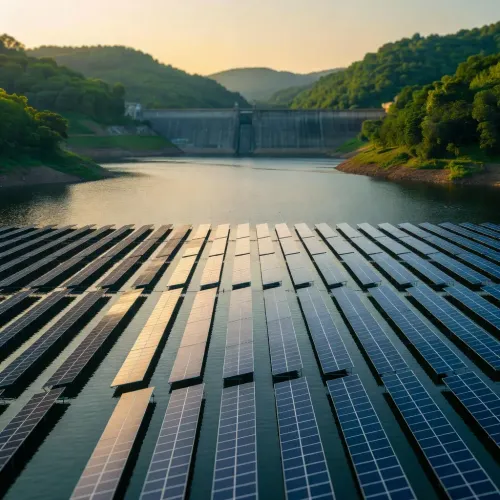
PM Surya Sarovar Yojana approved at ₹5,070 crore to develop 5,000 MW of floating solar and at least 10,000 MWh of energy storage.
Khelo India expanded for 2026-27 to 2030-31 with ₹36,441 crore , supporting grassroots sport and India's 2030 Commonwealth Games hosting bid.
Samudra Manthan (National Offshore Exploration Scheme) approved at ₹84,084 crore through 2030-31 to boost domestic hydrocarbon output.
Combined outlay across all four schemes exceeds ₹1.28 lakh crore , spanning welfare, renewables, sport, and energy security.
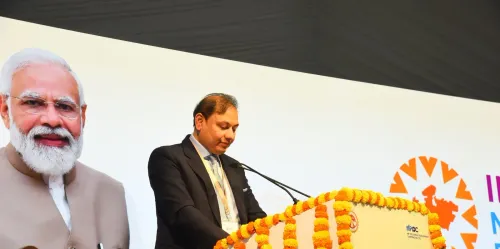
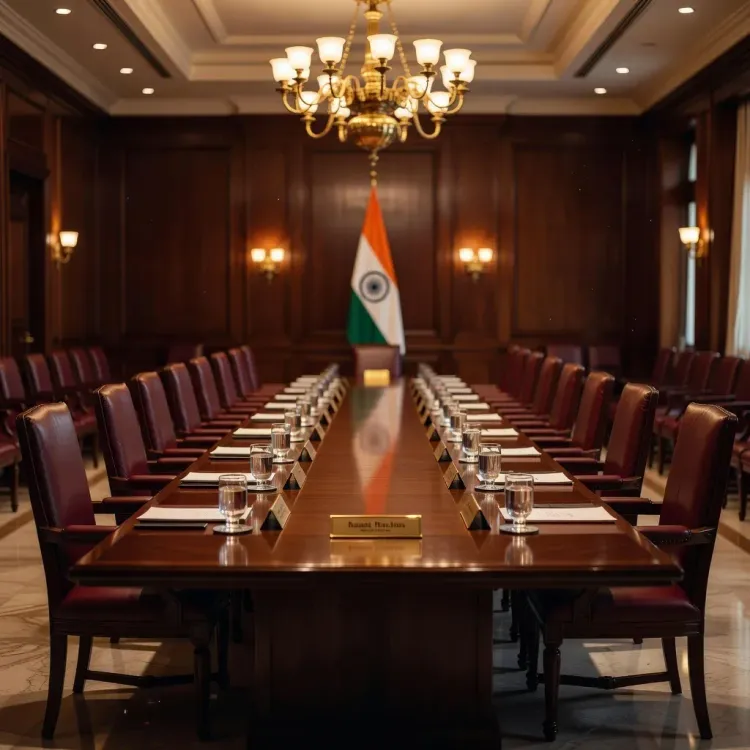
Four sweeping decisions — spanning farm income, floating solar, grassroots sport, and deep-sea oil — cleared the Union Cabinet on Friday, 31 July 2026, as Union Power and Housing Minister Manohar Lal Khattar detailed the approvals in a post on X, underscoring the breadth of what Prime Minister Narendra Modi's cabinet had greenlit in a single sitting.
PM-KISAN Extended to 2031 With ₹3.15 Lakh Crore Lifeline
The headline welfare decision is the extension of the PM Kisan Samman Nidhi (PM-KISAN) scheme through 2030-31, backed by a financial outlay of ₹3.15 lakh crore. Launched in February 2019, the scheme delivers ₹6,000 per year in three equal instalments directly into the bank accounts of landholding farmer families — a direct-benefit transfer designed to shore up household incomes without intermediaries. The fresh extension locks in that support for another five years, signalling that the government sees no near-term exit from the programme.
₹5,070 Crore Floating Solar Push Under PM Surya Sarovar
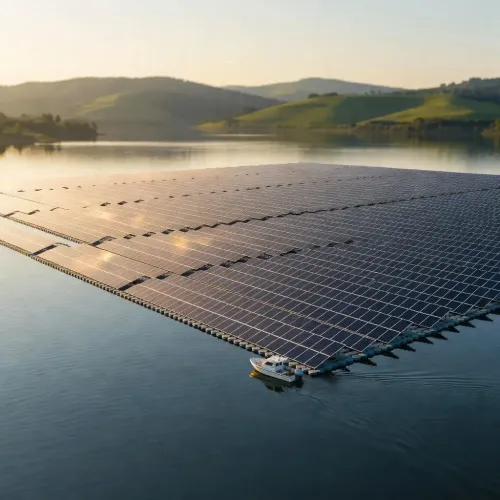
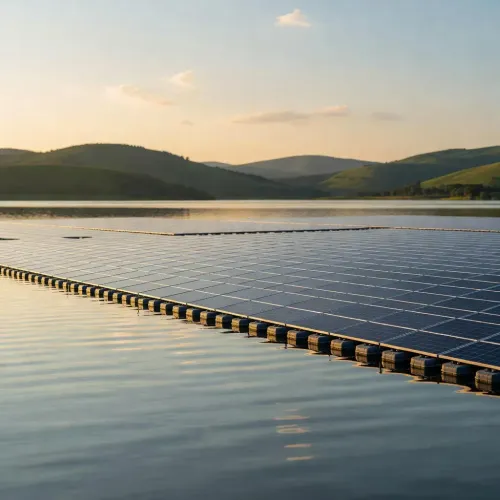
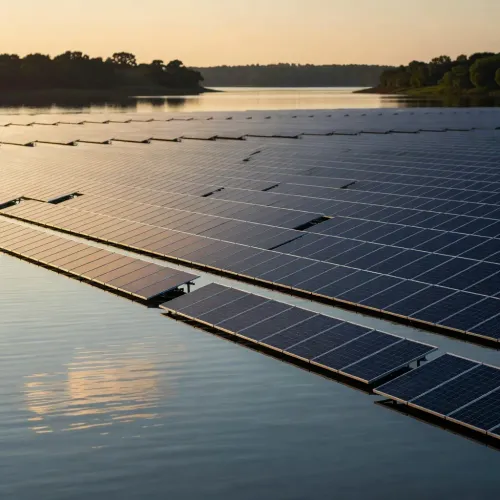
On clean energy, the cabinet approved the Pradhan Mantri Surya Sarovar Yojana with an outlay of ₹5,070 crore. The scheme targets 5,000 MW of floating solar capacity paired with a minimum of 10,000 MWh of energy storage — a combination that addresses both generation and the grid-reliability problem that intermittent renewables create. Floating solar, deployed on reservoirs and water bodies, also reduces evaporation losses, making it a dual-use infrastructure play. The move fits India's broader push to hit its clean energy targets while making the grid more resilient.
Khelo India Gets ₹36,441 Crore Boost, Eyes 2030 Commonwealth Games
Sport got a significant allocation too. The Khelo India programme — first launched in 2017 to identify grassroots talent and build state-level infrastructure — has been extended and expanded for 2026-27 through 2030-31 with an outlay of ₹36,441 crore, alongside increased support to national sports federations. The timing is deliberate: India's bid to host the 2030 Commonwealth Games requires demonstrable investment in athlete pipelines and venues. The cabinet's approval effectively puts financial muscle behind that aspiration, with an eye on future Olympic and Paralympic hosting ambitions as well.
'Samudra Manthan' Bets ₹84,084 Crore on Offshore Oil and Gas
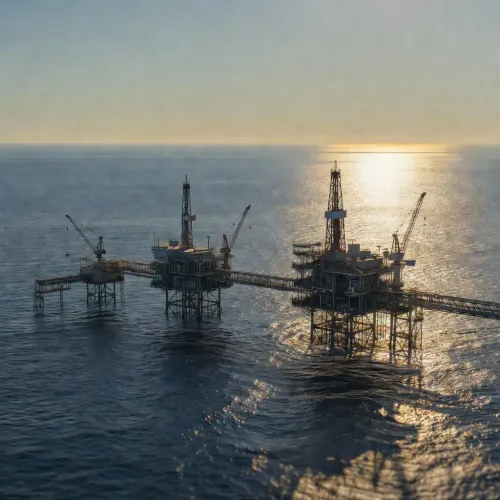
The single largest outlay of the day belongs to the National Offshore Exploration Scheme — 'Samudra Manthan' — approved at ₹84,084 crore through 2030-31. India's offshore sedimentary basins hold significant untapped hydrocarbon potential, and successive exploration licensing frameworks — from the New Exploration Licensing Policy (NELP, 1999) to the Hydrocarbon Exploration and Licensing Policy (HELP, 2016) — have tried to accelerate that development. Samudra Manthan represents the next escalation: a concentrated, time-bound push to raise domestic oil and gas output, reduce import dependence, and strengthen energy security. The name itself — evoking the mythological churning of the ocean — signals the scale of ambition.
Taken together, the four approvals represent a combined public commitment of over ₹1.28 lakh crore across welfare, renewables, sport, and fossil-fuel security — a portfolio that reflects the government's simultaneous bets on transition and continuity in India's energy and development story. Parliamentary approval of supplementary demands for these outlays, and the first tender rounds under the floating solar and offshore schemes, will be the next tests of whether the ambition translates into execution.
Point of View
Multi-crore schemes is a deliberate display of policy bandwidth — simultaneously renewing a politically vital farm-income programme, advancing the energy transition, funding a sports-diplomacy play around the 2030 Commonwealth Games, and doubling down on domestic hydrocarbon exploration. The juxtaposition of floating solar and offshore oil within the same cabinet meeting encapsulates India's energy paradox: aggressively pursuing renewables while also betting heavily on fossil fuels to close the near-term supply gap. The Khelo India expansion, tied explicitly to hosting ambitions, signals that sport is now firmly in the geopolitical toolkit. Execution risk — particularly the pace of tendering under Surya Sarovar and Samudra Manthan — will determine whether these outlays translate into the energy security and soft-power dividends the government is promising.
NationPress
15 Sept 2026
Frequently Asked Questions
What is PM-KISAN and how long has it been extended?
PM-KISAN (Pradhan Mantri Kisan Samman Nidhi) is a central government scheme that provides ₹6,000 per year in direct income support to landholding farmer families. The Union Cabinet approved its extension through 2030-31 with a total outlay of ₹3.15 lakh crore.
What is the PM Surya Sarovar Yojana?
PM Surya Sarovar Yojana is a newly approved scheme with a ₹5,070 crore outlay to develop 5,000 MW of floating solar power capacity alongside a minimum of 10,000 MWh of energy storage, aimed at boosting India's clean energy generation and grid reliability.
How much has the Khelo India scheme been allocated and what are its goals?
The expanded Khelo India scheme has been allocated ₹36,441 crore for the period 2026-27 to 2030-31. It aims to develop grassroots sports talent, support national sports federations, and strengthen India's bid to host the 2030 Commonwealth Games.
What is the Samudra Manthan scheme?
Samudra Manthan, formally the National Offshore Exploration Scheme, is a ₹84,084 crore initiative approved through 2030-31 to accelerate exploration of India's offshore oil and gas resources, raise domestic energy production, and reduce dependence on imports.
Who announced these cabinet decisions and when?
Union Power and Housing Minister Manohar Lal Khattar announced the decisions on X on 31 July 2026. The approvals were granted by the Union Cabinet chaired by Prime Minister Narendra Modi.