Cabinet clears ₹62,370 cr Rabi subsidy; CM Himanta thanks Modi
Synopsis
The Union Cabinet cleared a ₹62,370 crore subsidy for Rabi 2026–27 to shield farmers from global input-price volatility, especially sulphur costs. Assam CM Dr. Himanta Biswa Sarma thanked PM Narendra Modi on behalf of the state's farming community, calling it a farm-centric decision that will cut cultivation costs.
Key Takeaways
The Union Cabinet approved a ₹62,370 crore subsidy for Rabi crops 2026–27 to offset global price volatility, particularly for sulphur.
Himanta Biswa Sarma publicly thanked PM Narendra Modi and the Union Cabinet on behalf of Assam's farmers.
Assam's Brahmaputra and Barak valley farmers cultivating mustard, winter paddy and wheat stand to benefit directly through reduced input costs.
The intervention follows the Nutrient Based Subsidy (NBS) scheme framework active since 2010 , which fixes per-nutrient support for phosphatic and potassic fertilisers.
In 2022 , a comparable Cabinet move sanctioned over ₹1.1 lakh crore in fertiliser subsidies following the Russia-Ukraine supply shock.
Detailed disbursement guidelines and actual offtake figures during Assam's Rabi sowing window will determine the on-ground impact of the approval.
A ₹62,370 crore subsidy for Rabi crops 2026–27, approved by the Union Cabinet, is set to shield Indian farmers — including those across Assam's winter cropping belt — from the sting of global input-price volatility, with sulphur costs drawing particular attention. The Chief Minister's Office of Assam confirmed on Thursday, November 12, 2026 that Chief Minister Dr. Himanta Biswa Sarma has formally expressed gratitude to Prime Minister Narendra Modi and the Cabinet on behalf of the state's farming community.
What ₹62,370 crore means for Assam's winter fields
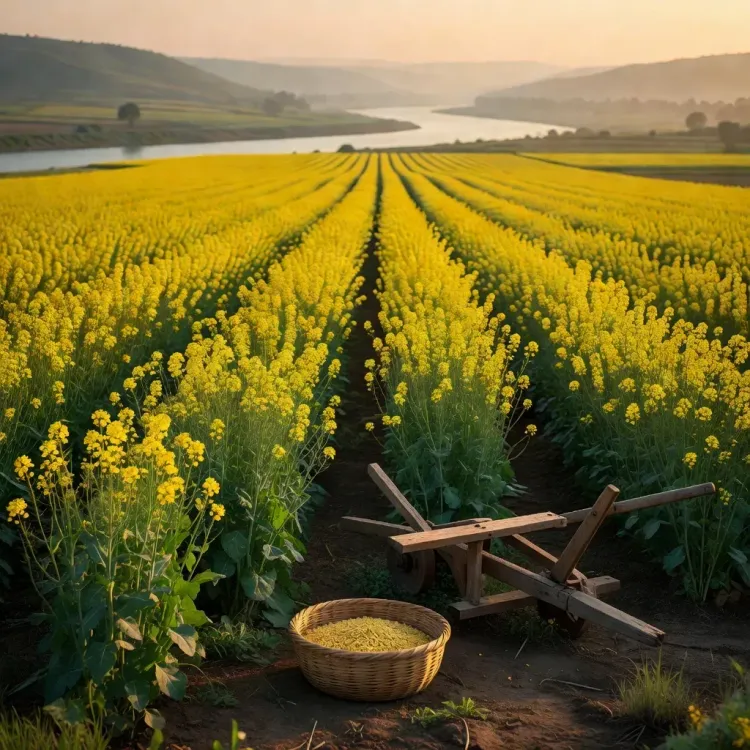
The Rabi season is critical for Assam's mustard, winter paddy and wheat growers spread across the Brahmaputra and Barak valleys. Sulphur, a key nutrient for oilseed crops like mustard, has seen sharp international price swings in recent years, squeezing margins for small and marginal farmers who make up the bulk of Assam's agricultural workforce. By absorbing the premium through a central subsidy, the Cabinet directly reduces the per-acre input burden these growers face at the sowing stage.
The CM's office stated that the decision will 'help reduce input costs and strengthen Assam's agricultural sector' — a signal that state authorities view the central allocation as a meaningful lever for farm-income support heading into the sowing window.
India's long habit of shielding farmers from global fertiliser shocks
This is not the first time New Delhi has deployed large-scale subsidy firepower to blunt an international price spike. In 2022, the Union Cabinet sanctioned additional fertiliser subsidies exceeding ₹1.1 lakh crore as the Russia-Ukraine conflict sent commodity markets into convulsions. The architecture for such interventions is the Nutrient Based Subsidy (NBS) scheme, operational since 2010, which fixes a per-nutrient support rate for phosphatic and potassic fertilisers — including sulphur-bearing variants — allowing manufacturers to sell at controlled prices while the government covers the gap.
The NBS framework means Cabinet approvals like today's translate almost immediately into lower shelf prices at district cooperative and retail outlets. Speed of disbursement and actual offtake numbers during Assam's 2026–27 Rabi sowing window will be the real test of reach.
CM Himanta's political salute to a farm-centric call
Dr. Himanta Biswa Sarma, who has anchored his tenure since May 2021 around agricultural outreach and farmer-welfare optics, was quick to publicly align Assam's farmers with the Centre's move. Thanking PM Modi by name on the state's official handle amplifies the BJP's united messaging on farm welfare — particularly relevant with Rabi sowing under way and farm-income sentiment an ever-present political variable.
The Centre's willingness to absorb cost pressure on a sulphur-sensitive crop like mustard also carries direct economic weight for Assam, one of the country's rising mustard-producing states, where expanding oilseed acreage has been a stated government priority.
When subsidy approvals of this scale reach the village cooperative counter before the sowing deadline, they can bend the cultivation-cost curve in a single season. Whether this one does will show up in Assam's Rabi area and yield data come spring.
Point of View
With the NBS framework providing ready institutional plumbing. For CM Himanta Biswa Sarma, publicly crediting PM Modi is as much a political choreography as a policy acknowledgment — it reinforces BJP solidarity on farm welfare at a moment when rural sentiment remains electorally consequential. The sulphur-specific call-out is notable: oilseed expansion, particularly mustard, has been a quiet priority in Assam's farm policy, and sulphur-responsive crops stand to gain the most from nutrient-based relief. The real test, as always with central subsidy approvals, is last-mile speed — whether fertiliser reaches the Brahmaputra valley farmer before the sowing window closes.
NationPress
12 Nov 2026
Frequently Asked Questions
What is the ₹62,370 crore Rabi subsidy approved by the Union Cabinet?
The Union Cabinet approved a ₹62,370 crore subsidy for Rabi crops in the 2026–27 agricultural season to shield farmers from rising global prices of key inputs, particularly sulphur-based fertilisers.
How does this subsidy help Assam farmers?
By absorbing the international price premium on fertilisers including sulphur, the subsidy lowers per-acre input costs for Assam's mustard, winter paddy and wheat growers in the Brahmaputra and Barak valleys.
What is the Nutrient Based Subsidy (NBS) scheme?
The NBS scheme, operational since 2010, provides fixed per-nutrient government support for phosphatic and potassic fertilisers, allowing manufacturers to sell them at lower prices while the Centre covers the difference.
Why did CM Himanta Biswa Sarma thank PM Modi for this decision?
CM Dr. Himanta Biswa Sarma thanked PM Narendra Modi and the Union Cabinet on behalf of Assam's farmers, calling the subsidy a 'farmer-centric decision' that will help reduce cultivation costs in the state.
Has the Union Cabinet approved such large fertiliser subsidies before?
Yes — in 2022, the Union Cabinet approved additional fertiliser subsidies exceeding ₹1.1 lakh crore to protect Indian farmers from price shocks caused by the Russia-Ukraine conflict disrupting global supply chains.