Puri: Cabinet extends ₹300 PMUY LPG subsidy for FY 2026-27
Synopsis
The Union Cabinet has approved ₹12,001 crore to extend the ₹300 per cylinder PMUY LPG subsidy for FY 2026-27, covering 10.57 crore poor households, even as India navigates West Asia conflict-driven supply-chain stress with import diversification and a 28% domestic production surge.
Key Takeaways
The Union Cabinet, chaired by PM Narendra Modi , approved continuation of the ₹300 per 14.2 kg PMUY LPG subsidy for FY 2026-27 , with a total outlay of ₹12,001 crore .
The subsidy is prorated for 5 kg cylinders , protecting smaller and more vulnerable households.
PMUY , launched in May 2016 , has extended deposit-free LPG connections to nearly 10.57 crore women from poor households across India.
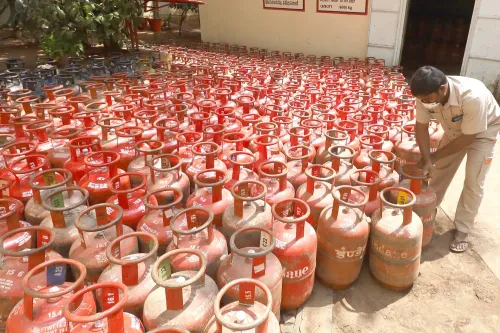
Beneficiaries availed approximately 42 crore refills during 2025-26 , reflecting deep real-world uptake of the scheme.
Amid West Asia conflict and sea-route disruptions, India diversified LPG imports and raised domestic production by 28% within five days of a March 2026 directive.
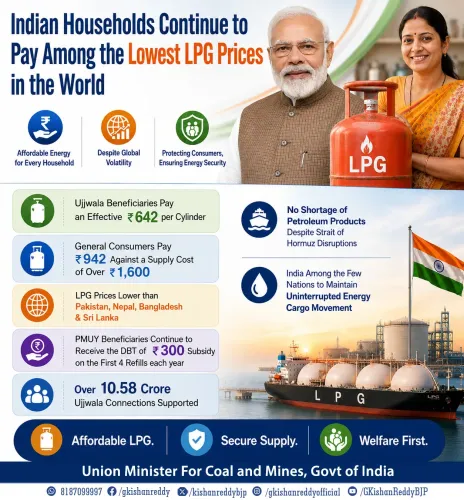
India now provides LPG to consumers at one of the cheapest prices in the world , according to Minister Puri.
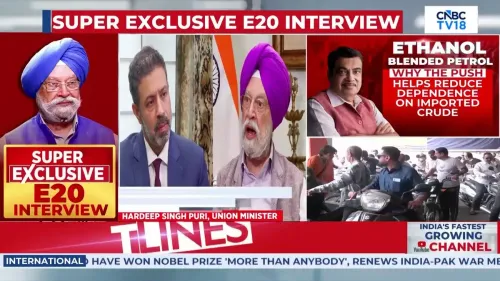
With nearly 10.57 crore poor households dependent on clean cooking fuel, the Union Cabinet made sure the flame stays lit — approving the continuation of the targeted ₹300 per 14.2 kg domestic LPG cylinder subsidy for Pradhan Mantri Ujjwala Yojana (PMUY) beneficiaries for FY 2026-27. Union Petroleum Minister Hardeep Singh Puri announced the decision on Wednesday, September 30, 2026, underscoring that the Cabinet chaired by Prime Minister Narendra Modi had cleared a total expenditure of ₹12,001 crore for the scheme.
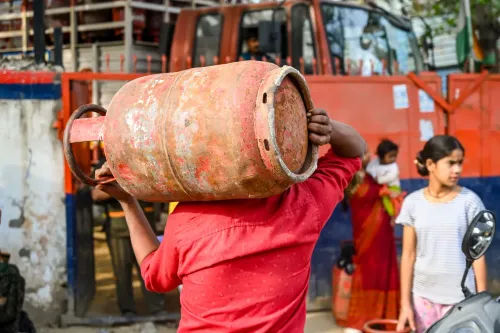
The subsidy will be prorated for 5 kg cylinders as well, ensuring that smaller households — often the most financially fragile — are not left at a disadvantage. The decision lands at a moment when global energy markets remain unsettled: ongoing conflict in West Asia and disruptions to traditional sea routes have tested every major LPG-importing nation's supply chain.
42 crore refills and a decade of PMUY's reach
Launched in May 2016, PMUY began as a targeted push to replace smoky, hazardous biomass cooking with clean LPG — specifically handing deposit-free connections to women from below-poverty-line households. A decade on, the numbers tell the story: beneficiaries collectively availed approximately 42 crore refills during 2025-26 alone, signalling that the scheme has moved well past symbolic uptake into everyday cooking habit.
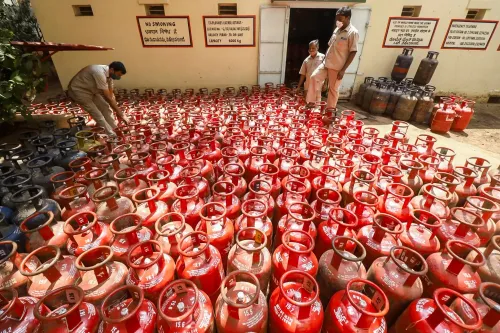
That volume of refills also means the subsidy is a live, pulsing financial commitment — not an archived welfare line item. Every cylinder returned to a dealer and refilled represents the government's promise re-delivered at kitchen level.
India's supply chain under pressure — and how it held
Minister Puri's announcement was notable for its candour about the supply-side stress India has navigated. With West Asia in conflict and critical sea routes disrupted, India widened its import sourcing to a broader range of suppliers, keeping the LPG chain moving even as logistics grew complicated.
On the domestic side, a March 2026 directive to maximise refinery output delivered a sharp result: domestic LPG production was stepped up by 28% within just five days of the order. That kind of rapid ramp-up — unusual in the typically slow-moving world of refinery scheduling — reflects both the operational readiness of Indian refineries and the political urgency behind keeping Ujjwala households supplied.
Longer-term supply contracts are being secured in parallel, and buffer stocks are being maintained to smooth over any future disruptions. The cumulative effect, Puri noted, positions India among the countries offering LPG at one of the cheapest prices in the world.
₹12,001 crore and what it buys India
The ₹12,001 crore outlay is not merely a subsidy line — it is, in effect, a public-health and gender-equity investment. Clean cooking fuel reduces indoor air pollution, a documented killer, and frees women from hours of firewood collection. The government has consistently framed PMUY around these 'mothers and sisters', and the language in Puri's post this week continues that framing explicitly.
Whether refill rates and subsidy disbursement keep pace across all 10.57 crore connections through the full fiscal year will be the real measure of delivery — and the number to watch as FY 2026-27 unfolds.
India just told the world — and its poorest kitchens — that it will not let geopolitical fire burn out the cooking gas.
Point of View
But this year's approval carries sharper strategic weight: it arrives amid an active West Asia conflict that has stress-tested India's energy supply lines. The 28% domestic refinery surge and import diversification cited by Puri are classic energy-security moves — supply-side resilience paired with demand-side welfare, a dual play the government has honed since oil price shocks of the early 2020s. With 10.57 crore PMUY connections now active, the political economy of any rollback is essentially impossible, which also means the ₹12,001 crore annual commitment is effectively structural spending, not discretionary. The real test through FY 2026-27 will be whether disbursement reaches the last-mile beneficiary consistently, particularly in states where LPG distribution infrastructure remains thin.
NationPress
30 Sept 2026
Frequently Asked Questions
What is the PMUY LPG subsidy amount for FY 2026-27?
The Union Cabinet has approved a targeted subsidy of ₹300 per 14.2 kg domestic LPG cylinder for Pradhan Mantri Ujjwala Yojana beneficiaries in FY 2026-27, with the subsidy prorated for 5 kg cylinders and a total government expenditure of ₹12,001 crore .
How many people benefit from Pradhan Mantri Ujjwala Yojana?
Pradhan Mantri Ujjwala Yojana (PMUY) has provided deposit-free LPG connections to nearly 10.57 crore women from poor households across India since its launch in May 2016 .
Why did India increase domestic LPG production in March 2026?
A government directive in March 2026 instructed refineries to maximise LPG output amid supply-chain disruptions caused by the ongoing West Asia conflict and disruptions to critical sea routes; domestic production reportedly rose by 28% within five days of the order.
How many LPG refills did PMUY beneficiaries take in 2025-26?
PMUY beneficiaries availed approximately 42 crore refills during 2025-26 , indicating strong and sustained adoption of clean cooking fuel under the scheme.
How is India managing LPG supply amid West Asia conflict?
India has diversified its LPG import base to a wider range of suppliers, stepped up domestic refinery production, and is securing longer-term supply contracts and maintaining buffer stocks to ensure uninterrupted household supply despite disruptions around critical sea routes.