Ujjwala LPG subsidy cut from 9 to 4 cylinders: Opposition calls it 'Andhkaar Scheme'
Synopsis
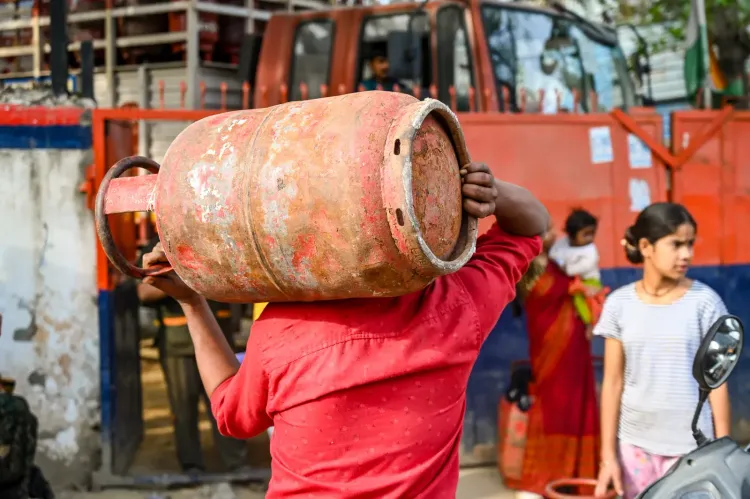
The Centre's decision to slash subsidised LPG refills under Ujjwala Yojana from nine to four per year has triggered a political firestorm. With oil firms reportedly losing ₹700 per cylinder and supply costs crossing ₹1,600, the fiscal logic is clear — but for millions of below-poverty-line households, the cut could mean reverting to firewood for up to eight months a year.
Key Takeaways
The Centre has reduced PMUY subsidised LPG refills from nine per year to four per year .
Congress leader Sandeep Dikshit called for renaming the scheme the 'Andhkaar Scheme' and said the government could have sustained subsidies on at least six to nine cylinders .
RJD MP Manoj Kumar Jha noted that subsidised refills have progressively fallen from 12 to 9 to now 4 per year.
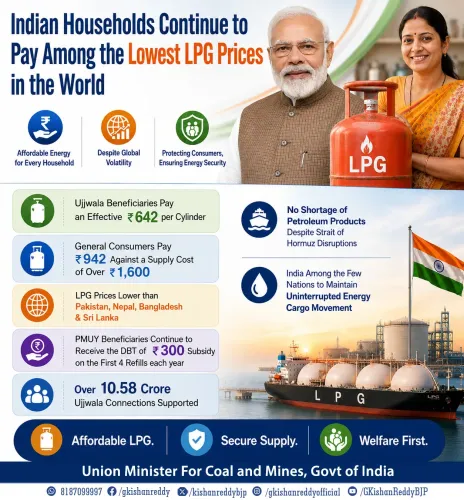
The cost of supplying one domestic LPG cylinder has reportedly crossed ₹1,600 ; oil marketing companies are incurring losses of around ₹700 per cylinder.
The government has not announced any compensatory measures for PMUY beneficiaries affected by the reduction.
Opposition leaders on Tuesday launched a sharp attack on the central government after it reduced the number of subsidised LPG cylinder refills under the Pradhan Mantri Ujjwala Yojana (PMUY) from nine per year to four, with critics coining the term 'Andhkaar Scheme' as a rebuke of the flagship welfare programme. The move has drawn condemnation from multiple opposition parties, who argue it signals a retreat from welfare commitments to lower-income households.
What the Government Has Changed
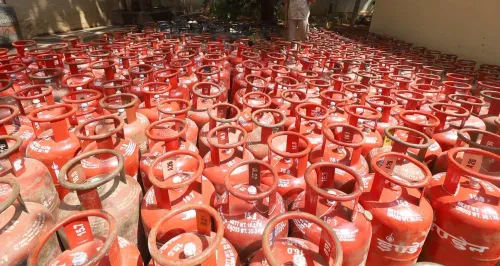
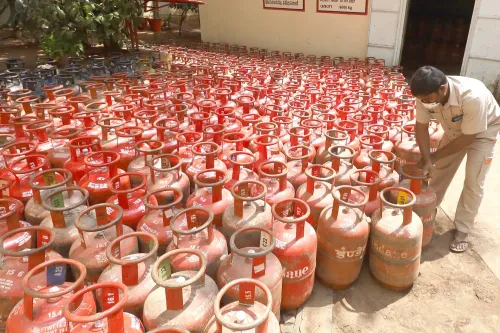
Under the revised policy, PMUY beneficiaries — primarily women from below-poverty-line households — will now receive subsidised refills on only four cylinders annually, down from the earlier ceiling of nine. The decision reportedly comes against the backdrop of rising supply costs: the cost of providing a single domestic LPG cylinder has reportedly crossed ₹1,600, with oil marketing companies said to be incurring losses of approximately ₹700 on every cylinder sold.
Congress Slams the Rollback
Congress leader Sandeep Dikshit said the decision exposed the government's inability to sustain welfare support. 'What this means is that PM Modi first took over Congress-era schemes, under which we used to provide almost unlimited subsidies. Later, the number was reduced to around eight or nine cylinders, and then it was rebranded as the Ujjwala scheme. Now, however, this scheme should be called the Andhkaar Scheme,' he said.
Dikshit argued the government could have continued subsidising at least six to nine cylinders per year. 'The government often claims that the work done in the last 12 years surpasses what was achieved in 70 years. If previous governments could provide a 100 per cent subsidy on gas, how has it now been reduced to just three or four cylinders? This suggests that the economy has deteriorated rather than improved,' he said.
He further alleged a broader pattern of subsidy withdrawal — spanning petrol, diesel, fertilisers, and irrigation — as evidence of fiscal stress in the government's finances.
RJD Joins the Criticism
Rashtriya Janata Dal (RJD) MP Manoj Kumar Jha said the subsidy trajectory told its own story. 'Earlier, people received subsidies on 12 cylinders, which was later reduced to nine, and now it has come down to just four. This government has failed on multiple fronts. Why do people elect a government if it cannot fulfil its responsibilities?' he said.
Jha also took aim at media coverage, alleging that hardships faced by the middle class and lower-income groups were being overlooked. 'They should step out and assess the ground reality instead of merely discussing Mann Ki Baat. There should be genuine two-way communication with the people to understand their condition,' he added.
The Cost Pressure Behind the Cut
The reduction in subsidised refills is set against a difficult fiscal backdrop for oil marketing companies. With the cost of supplying a single domestic LPG cylinder reportedly crossing ₹1,600 and per-cylinder losses estimated at around ₹700, the government faces mounting pressure to contain the subsidy bill. This is the latest in a series of adjustments to the PMUY framework since the scheme was launched in 2016.
What This Means for Beneficiaries
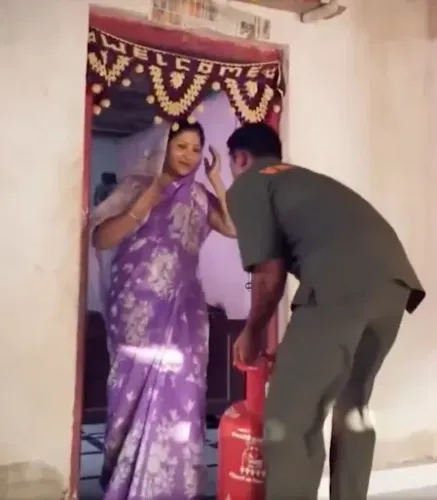
The PMUY was designed to bring clean cooking fuel to rural and peri-urban households that had historically depended on firewood and biomass. A cut to four subsidised refills per year — roughly one cylinder every three months — raises questions about whether beneficiaries will revert to traditional, polluting fuels for the remaining months. With the scheme covering tens of millions of households, the practical impact on daily cooking costs is expected to be significant. The government is yet to announce any compensatory measures.
Point of View
The remaining months may push them back to biomass, quietly reversing years of clean-cooking gains that the scheme was designed to lock in. The opposition's 'Andhkaar Scheme' framing is rhetorical, but the underlying policy tension — between fiscal consolidation and welfare continuity — is real, and the government has yet to offer a credible answer to it.
NationPress
24 Oct 2026
Frequently Asked Questions
What change has the government made to the Ujjwala Yojana LPG subsidy?
The government has reduced the number of subsidised LPG cylinder refills available to Pradhan Mantri Ujjwala Yojana (PMUY) beneficiaries from nine per year to four per year. The scheme covers below-poverty-line households, primarily women, who were given free gas connections to shift away from traditional cooking fuels.
Why has the subsidised LPG refill limit been cut?
The cost of supplying a single domestic LPG cylinder has reportedly crossed ₹1,600, and oil marketing companies are said to be incurring losses of around ₹700 on every cylinder sold. The reduction is widely seen as a measure to contain the government's subsidy burden amid rising supply costs.
What did Congress say about the Ujjwala subsidy cut?
Congress leader Sandeep Dikshit said the decision reflected the government's failure to sustain welfare support, and suggested the scheme should be renamed the 'Andhkaar Scheme'. He argued the government could have continued providing subsidies on at least six to nine cylinders annually, and alleged a broader pattern of subsidy withdrawal across fuel, fertiliser, and irrigation sectors.
What did RJD MP Manoj Kumar Jha say about the cut?
RJD MP Manoj Kumar Jha said subsidised refills had progressively fallen from 12 cylinders to nine and now to just four, calling it a multi-front failure of the government. He also alleged that media coverage was ignoring the hardships faced by middle-class and lower-income groups.
How does the cut affect Ujjwala Yojana beneficiaries?
With only four subsidised refills per year — roughly one cylinder every three months — beneficiaries may be unable to afford cooking gas for the remaining months and could revert to firewood or biomass. The government has not yet announced any compensatory measures to offset the reduction.