Ujjwala LPG subsidy cut from 9 to 4 cylinders: Hardeep Puri cites misuse
Synopsis
The Centre has slashed subsidised LPG refills under the Ujjwala scheme from nine to four per year, with Petroleum Minister Hardeep Singh Puri citing 'credible information' that beneficiaries were reselling ₹300 cylinders for profit. The move raises hard questions about whether a policy blunt instrument is the right fix for targeted misuse — and who ultimately pays the price.
Key Takeaways
The government has reduced subsidised LPG cylinder refills under PMUY from nine to four annually.
Minister Hardeep Singh Puri cited evidence that some beneficiaries were reselling ₹300 subsidised cylinders for commercial gain.
The Pradhan Mantri Ujjwala Yojana was launched in 2016 to provide clean cooking fuel to economically weaker households.
Critics argue the across-the-board cap penalises genuine beneficiaries for the misconduct of a few.
No grievance or review mechanism for affected households has been announced by the government so far.
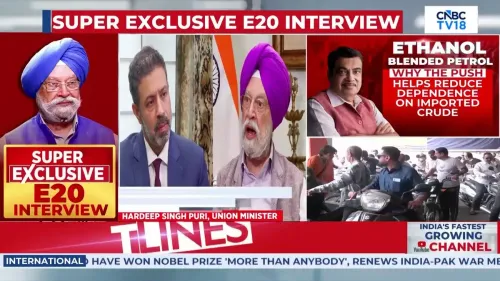
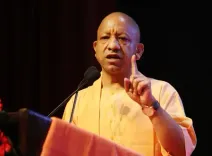
Union Petroleum and Natural Gas Minister Hardeep Singh Puri on Wednesday, 10 June defended the government's decision to reduce subsidised LPG cylinder refills under the Pradhan Mantri Ujjwala Yojana (PMUY) from nine to four annually, saying the cut was driven by credible evidence of scheme misuse by a section of beneficiaries. The announcement has drawn sharp criticism from opposition parties and welfare advocates.
What the Minister Said
Puri stated that the revision followed an assessment of utilisation patterns across PMUY beneficiaries. 'Since this morning, there has been a lot of discussion that we have reduced the number of Ujjwala cylinders from nine to four. But if you do not need more than four cylinders, why would you need more? Why did we do this?' he said.
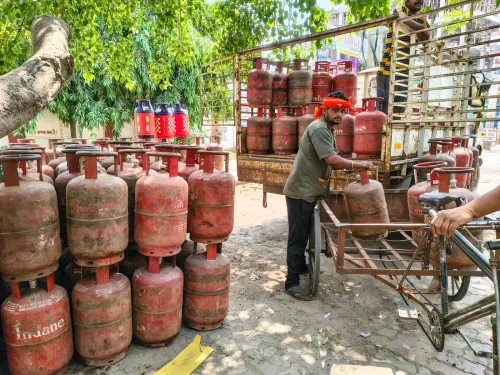
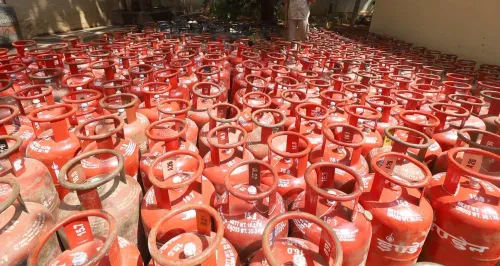
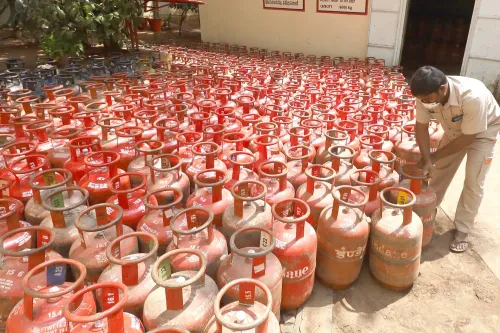
He elaborated that the government had received 'credible information' indicating that many beneficiaries were not actually consuming the subsidised cylinders for domestic cooking. 'We did it because we received credible information that many of our Ujjwala beneficiaries did not actually need the cylinders. They were taking the ₹300 cylinder and either selling it for commercial use, diverting it, or giving it to someone else for ₹300 more,' Puri said.
What Is the Ujjwala Scheme
The Pradhan Mantri Ujjwala Yojana was launched in 2016 to extend clean cooking fuel access to economically weaker households, primarily in rural India, by providing free LPG connections and subsidised refills. The scheme has enrolled crores of beneficiaries since inception and is widely regarded as one of the government's flagship welfare programmes.
Why the Cut Is Controversial
Critics argue that reducing the subsidy cap from nine to four cylinders a year could disproportionately burden low-income households that genuinely depend on the benefit. Welfare economists and opposition leaders have questioned whether penalising the entire beneficiary base for the alleged misconduct of a subset is a proportionate or equitable policy response. Notably, the government has not publicly disclosed the scale of misuse — how many beneficiaries were found diverting cylinders or what quantum of subsidy was lost.
This comes amid a broader tightening of direct-benefit transfer schemes, where the Centre has periodically revised eligibility criteria and usage caps to curb leakage.
Puri's Remarks on BJP Governance
During the same interaction, Puri also praised Prime Minister Narendra Modi's governance model, asserting that the opposition should understand and adopt the development-focused approach pursued by the Prime Minister. He said voters have repeatedly backed the Bharatiya Janata Party (BJP) under Modi's leadership because they associate the government with delivery on the ground.
What Happens Next
The government has not announced a formal review mechanism or a grievance channel for beneficiaries who believe the four-cylinder cap is insufficient for their household needs. Civil society groups are expected to push for a transparent audit of misuse data before the revised cap takes full effect. Whether the Centre revises the threshold upward — or introduces a tiered subsidy model — will likely depend on the political and public pressure that follows.
Point of View
And why a targeted de-duplication or Aadhaar-linked verification exercise was not the first resort. Puri's pivot to praising Modi's governance model in the same breath suggests the government is more interested in managing the political optics than in addressing the structural gaps the misuse reveals.
NationPress
26 Oct 2026
Frequently Asked Questions
Why has the government reduced Ujjwala scheme LPG cylinders from 9 to 4?
The government says it reduced the annual subsidised LPG refill limit under PMUY from nine to four after receiving credible information that a section of beneficiaries was diverting the ₹300 cylinders for commercial resale rather than domestic cooking use. Petroleum Minister Hardeep Singh Puri made this statement on 10 June.
What is the Pradhan Mantri Ujjwala Yojana?
The Pradhan Mantri Ujjwala Yojana (PMUY) is a central government scheme launched in 2016 to provide free LPG connections and subsidised refills to economically weaker households, particularly in rural areas. It aims to replace biomass-based cooking with cleaner fuel.
Who is affected by the reduction in subsidised LPG cylinders?
All PMUY beneficiaries are affected by the revised cap, which limits subsidised refills to four per year. Critics argue this disproportionately impacts genuine low-income households that rely on the full subsidy for daily cooking needs.
Has the government provided evidence of misuse under the Ujjwala scheme?
Minister Hardeep Singh Puri stated that the government received 'credible information' about misuse, but no detailed public audit or data on the scale of diversion has been released. The absence of transparent misuse data has drawn criticism from opposition parties and welfare groups.
What happens to Ujjwala beneficiaries who need more than four cylinders a year?
The government has not announced any grievance mechanism or tiered subsidy option for households that genuinely require more than four cylinders annually. Beneficiaries who exceed the cap would need to purchase additional cylinders at market rates.