Did the I-PAC Raid Yield Any Evidence as Claimed by the ED?
Synopsis
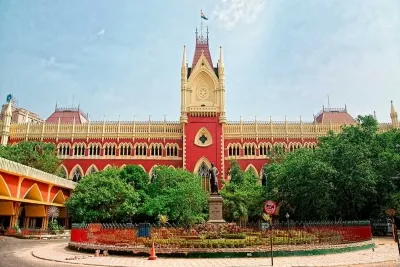
In a significant legal development, the Calcutta High Court endorsed the ED's claim that no evidence was seized during recent raids linked to the I-PAC, raising questions about the allegations made by the Trinamool Congress. This case underscores the ongoing tensions in West Bengal's political landscape.
Key Takeaways
The Calcutta High Court supported the ED's claim of no seized items during the raids.
The Trinamool Congress accused the ED of collecting confidential documents.
Chief Minister Mamata Banerjee was mentioned in the context of the alleged removal of documents.
The case underscores the political dynamics in West Bengal.
The hearing concerning the ED's main petition against the Chief Minister was adjourned.
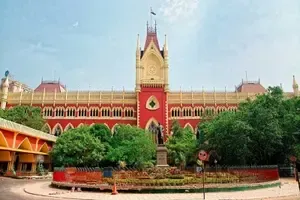
Kolkata, Jan 14 (NationPress) The Calcutta High Court's single-judge bench led by Justice Suvra Ghosh acknowledged the Enforcement Directorate's (ED) assertion that no items were confiscated during the January 8 raids at the Indian Political Action Committee's (I-PAC) office located in Salt Lake and at the residence of I-PAC co-founder Pratik Jain in central Kolkata.
Justice Ghosh's bench thus resolved the petition submitted by the Trinamool Congress, which had accused the ED of securing sensitive party documents during the search operations. The Trinamool Congress alleged that I-PAC has acted as its electoral strategy consultant since 2020.
During the hearing on Wednesday afternoon, ED counsel and Additional Solicitor General S.V. Raju confirmed in court that the ED officials did not seize any documentation from the two locations during the searches related to a money laundering investigation.
The Additional Solicitor General also claimed that any documents the ED officials aimed to collect had already been removed by West Bengal Chief Minister Mamata Banerjee.
Raju insisted that his arguments on these matters be officially recorded. Following this, Justice Ghosh dismissed the Trinamool Congress petition, endorsing the ED's position.
In response to allegations that the ED gathered confidential party documents from the two locations, the Additional Solicitor General suggested that the Trinamool Congress should file a complaint against Chief Minister Mamata Banerjee, as she was allegedly responsible for the removal of the documents.
Raju further contended that the individual who submitted the affidavit for the Trinamool Congress was not present at the sites during the January 8 search operations and therefore lacked direct knowledge of the events that unfolded during the raid.
“He cannot possibly know what documents were taken or what transpired there. The affidavit was provided only after gathering some information. Thus, this case should be dismissed,” Raju argued.
His argument was accepted, leading to the case's resolution.
Meanwhile, regarding the main petition filed by the ED accusing the Chief Minister of abusing her constitutional authority by allegedly obstructing the official duties of ED officials during the January 8 raids, the Calcutta High Court postponed the hearing on Wednesday.
The Additional Solicitor General requested a delay, citing that an ED petition concerning the same issue is currently pending before the Supreme Court.
Point of View
It is essential to remain impartial while reporting on this developing story. The court's decision reflects a growing scrutiny of political activities in West Bengal, especially concerning the ED's role in investigations. The implications of this case highlight the need for transparency in political processes and the challenges faced by parties amid ongoing investigations.
NationPress
29 Sept 2026
Frequently Asked Questions
What was the outcome of the Calcutta High Court's decision regarding the ED's claims?
The Calcutta High Court accepted the Enforcement Directorate's claims that no items were seized during the January 8 raids at the I-PAC office and Pratik Jain's residence.
Who represented the ED in court?
The ED was represented by Additional Solicitor General S.V. Raju during the court proceedings.
What allegations did the Trinamool Congress make against the ED?
The Trinamool Congress alleged that the ED collected sensitive party documents during the raids.
What did the Additional Solicitor General argue regarding the documents?
The Additional Solicitor General argued that any documents the ED sought were already taken away by Chief Minister Mamata Banerjee.
What is the significance of this court ruling?
This ruling highlights the ongoing political tensions in West Bengal and the scrutiny of the ED's actions during investigations.