Calcutta HC declines to stay KMC ward delimitation ahead of December polls
Synopsis
The Calcutta High Court declined to stay the KMC's controversial ward delimitation — expanding wards from 144 to 209 — just weeks before December civic polls in West Bengal. The petition alleges the redrawing ignored population, geography, and administrative rules. With affidavits ordered and a hearing weeks away, legal uncertainty now hangs over Kolkata's electoral calendar.
Key Takeaways
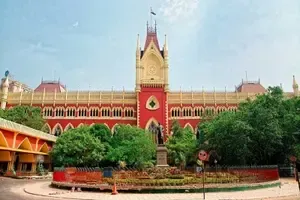
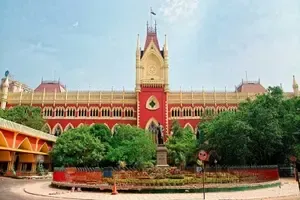
The Calcutta High Court on 29 October 2026 declined to intervene in a petition challenging KMC ward delimitation.
The draft proposal seeks to expand KMC wards from 144 to 209 .
Justice Hiranmaya Bhattacharya did not dismiss the petition, directing both sides to file affidavits.
The West Bengal government has four weeks to file its affidavit; petitioners get two weeks thereafter for a counter-affidavit.
The next hearing is scheduled six weeks after affidavit exchange, with December 2026 civic polls looming.
The petition alleged that population, geography, and administrative consistency were not properly considered in the redrawing of ward boundaries.
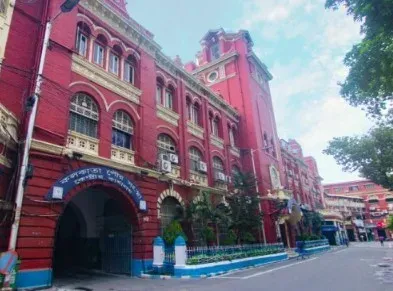
The Calcutta High Court on Thursday, 29 October 2026, declined to intervene in a petition challenging the ward delimitation exercise of the Kolkata Municipal Corporation (KMC), leaving the contested boundary redrawing intact as the civic body prepares for polls expected in December 2026. The ruling effectively keeps the draft delimitation proposal — which seeks to expand KMC wards from 144 to 209 — in force for now.
What the Court Ordered
The matter was heard by Justice Hiranmaya Bhattacharya, whose bench declined to stay the delimitation proceedings at this stage. Crucially, however, the court did not dismiss the petition outright. Instead, Justice Bhattacharya directed both the West Bengal government and the petitioners to file their respective affidavits — a signal that the legal challenge will continue to be examined on merits.
Under the court's timeline, the state government must file its affidavit within four weeks, after which the petitioners will have two weeks to submit a counter-affidavit. The case is scheduled to be heard again six weeks after both sides have placed their submissions before the bench.
What the Petition Alleged
The petition, filed earlier in October, contended that the delimitation exercise was not conducted in accordance with prescribed statutory rules. According to the petitioner, the redrawing of ward boundaries failed to give adequate weight to key factors including population distribution, geographical continuity, and administrative consistency. The petitioner also questioned the underlying rationale for expanding the ward count so significantly — from 144 to 209 — arguing that reasonable adjustments were not made in the process.
Stakes: December Civic Polls Across West Bengal
The KMC is one of seven urban civic bodies in West Bengal expected to go to the polls in December 2026. The ward delimitation outcome directly shapes the electoral boundaries that candidates and parties will contest. Many observers had anticipated that Thursday's hearing might bring clarity or a resolution to the impasse over ward realignment — but with the court holding its hand for now, the delimitation order remains operative pending further judicial scrutiny.
This comes amid a broader pattern of legal contestation around civic body delimitation in West Bengal, where changes to ward boundaries have historically drawn political and legal challenges close to election season.
What Happens Next
The legal process now moves to an affidavit-exchange phase, with the next substantive hearing likely several weeks away. Given the December poll timeline, the pace of judicial proceedings will be closely watched by both the state government and opposition groups. Should the court choose to intervene at a later hearing, it could potentially delay or restructure the electoral schedule for the KMC and possibly other civic bodies in the state.
Point of View
That ambiguity has real consequences. With December polls drawing close and ward boundaries still legally contested, the West Bengal government faces the uncomfortable possibility of a last-minute judicial intervention disrupting the electoral schedule. The petition's core allegation — that population and geography were subordinated to political convenience in the redrawing — is precisely the kind of charge that tends to gain traction if the government's affidavit is thin. The expansion from 144 to 209 wards is dramatic by any measure, and the absence of a clear statutory rationale in the public domain leaves the delimitation exercise exposed.
NationPress
29 Oct 2026
Frequently Asked Questions
What did the Calcutta High Court decide on the KMC delimitation case?
The Calcutta High Court on 29 October 2026 declined to intervene in or stay the KMC ward delimitation for the time being. Justice Hiranmaya Bhattacharya's bench kept the petition alive, directing both the West Bengal government and the petitioners to file affidavits before the next hearing.
What is the KMC ward delimitation proposal?
The draft delimitation proposal seeks to increase the number of wards under the Kolkata Municipal Corporation from the current 144 to 209. The petitioner has challenged this expansion, arguing that the redrawing did not properly account for population, geographical location, and administrative consistency.
When are the Kolkata Municipal Corporation polls expected?
Polls for the KMC and six other urban civic bodies in West Bengal are expected in December 2026. The ward delimitation dispute is a key pre-poll complication that could potentially affect the electoral timeline.
What happens next in the legal process?
The West Bengal government must file its affidavit within four weeks, after which the petitioners have two weeks to file a counter-affidavit. The court will take up the matter again six weeks after both affidavits are received.
Why did the petitioner challenge the KMC delimitation?
The petitioner alleged that the delimitation was not conducted as per prescribed rules and that ward boundaries were redrawn without reasonable adjustments. Factors such as population distribution, geographical location, and administrative consistency were reportedly not given adequate weight in the process.