Mamata Banerjee's 15-day rebel recall: desperation or strategy after Bengal loss?
Synopsis
After a punishing West Bengal Assembly election defeat, Mamata Banerjee has given rebel TMC MPs and MLAs a 15-day window to return — but with defectors like Rukmini Mallick now filing as BJP candidates for the very seat she vacated, and Sudip Bandyopadhyay leading 19 colleagues to a new party, the offer looks less like a show of strength and more like a race against organisational collapse.
Key Takeaways
Mamata Banerjee has set a 15-day deadline for rebel TMC MPs and MLAs to return to the party following a heavy West Bengal Assembly election defeat.
General Secretary Abhishek Banerjee had previously dared deserters to return in July 2026 , offering to resign 'within an hour' over complaints about his leadership.
Actor-MP Rukmini (Koel) Mallick , who vacated her Rajya Sabha seat in July, has filed a BJP nomination for the resulting by-poll.
Sudip Bandyopadhyay and 19 rebel TMC colleagues have moved to the Nationalist Citizens Party of India (NCPI) .
Kunal Ghosh's reinstatement in 2020 after years of open confrontation with Mamata set an earlier precedent for rebel rehabilitation within the TMC.
Bandyopadhyay himself was expelled and reconciled once before, returning to the TMC in 2008 after a stint with the Congress.
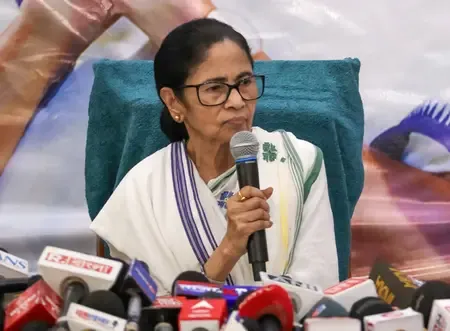
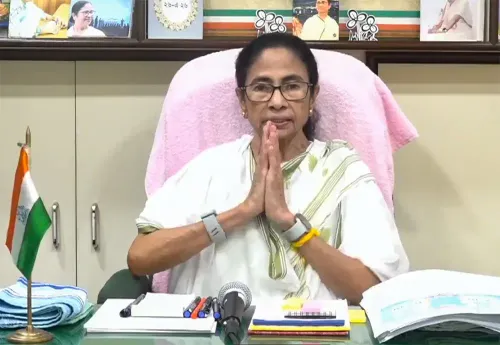
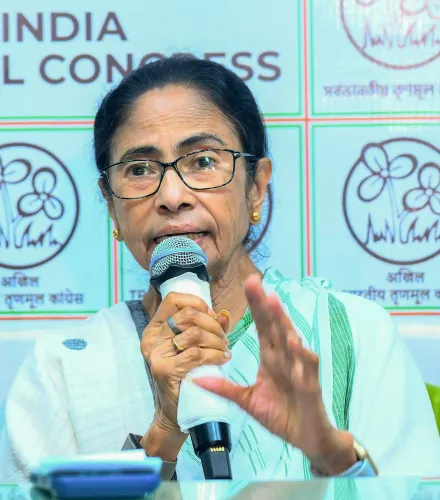
All India Trinamool Congress (TMC) chief Mamata Banerjee has set a 15-day deadline for MPs and MLAs who abandoned the party to return to the fold — a move widely read as an attempt to arrest the sweeping organisational erosion that followed her party's resounding defeat in the West Bengal Assembly election this year. The overture has reignited debate over whether the offer reflects political pragmatism or signals vulnerability at the top.
The Offer and Its Context
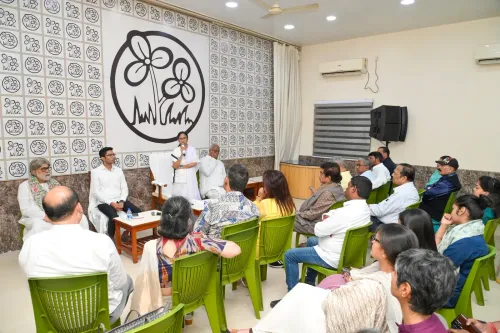
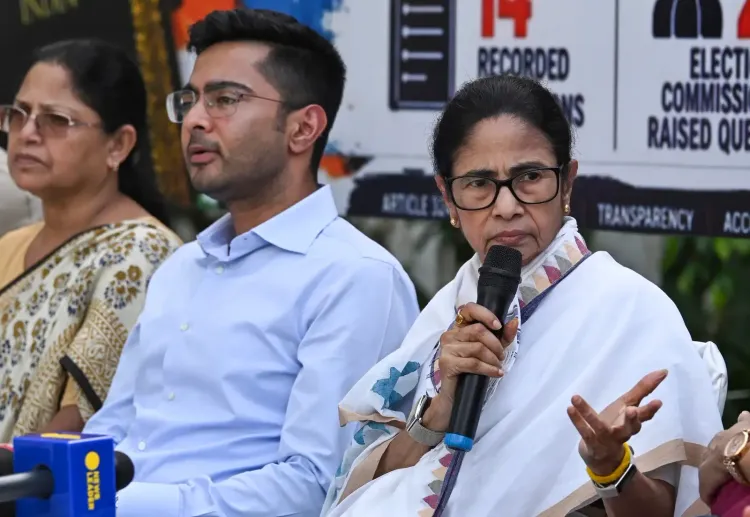
The outreach came a day after the INDIA bloc meeting in Delhi, when party General Secretary Abhishek Banerjee — Mamata's nephew — deflected questions on the rebel issue by placing the decision squarely in his aunt's hands. Sitting beside him, the party supremo's brief but notably warm response was read as opening the door for reconciliation. Mamata's subsequent direct offer has since formalised that signal into a timed appeal.
Seen alongside Abhishek Banerjee's July statement — in which he had defiantly dared the deserters to return and offered to resign 'within an hour' over complaints about his functioning — the latest posture represents a marked rhetorical softening. Critics argue the shift from dare to deadline makes the offer look more like a plea than a policy.
The Rebel Wave — and a Fresh Blow
The TMC's internal fractures have intensified in recent months. Actor-turned-politician Rukmini (Koel) Mallick, a sitting TMC MP who vacated her Rajya Sabha seat in July 2026, has since filed her nomination as a Bharatiya Janata Party (BJP) candidate for the very by-poll created by her departure — a pointed rebuke to her former party. Her move is among the most visible in a wider wave of defections that has seen Sudip Bandyopadhyay and 19 other rebel colleagues shift to the Nationalist Citizens Party of India (NCPI) in the Lok Sabha.
A parallel narrative has also gained traction within TMC circles: that Mamata had long relied on the 'wrong faces' to represent the party publicly. This view has amplified following the mass desertion.
Kunal Ghosh: The Spokesperson Who Once Turned on the Supremo
Among those giving voice to internal critique is Kunal Ghosh, journalist-turned-politician, MLA, and one of TMC's most recognisable spokespersons. A former Rajya Sabha MP, Ghosh's career was dramatically upended by the Saradha chit fund scandal. Arrested in November 2013, he spent nearly three years in jail, during which he publicly accused Mamata Banerjee of being the 'biggest beneficiary' of Saradha's media operations — a charge that caused significant embarrassment for the party leadership.
His reinstatement in 2020 and subsequent appointment as party spokesperson became a widely noted signal that the TMC would rehabilitate former rebels if they fell back in line. Since then, Ghosh has rebuilt his standing as an aggressive public defender of the leadership, though his blunt commentary has occasionally targeted other party figures. His most prominent intra-party confrontation was with Bandyopadhyay, against whom he raised questions allegedly linked to the Rose Valley financial scam ahead of the 2024 Lok Sabha elections, and declared he would not campaign for him if renominated.
Bandyopadhyay: A Familiar Cycle of Estrangement and Return
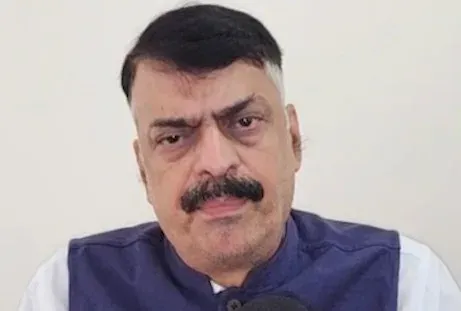
The saga of Sudip Bandyopadhyay illustrates that rebel rehabilitation is not new to Mamata's political playbook. He was reportedly expelled after meeting then-Deputy Prime Minister Lal Krishna Advani — an act Mamata reportedly interpreted as an attempt to secure a Cabinet post in the Atal Bihari Vajpayee-led NDA government. That estrangement was patched up by 2008, when Bandyopadhyay returned to the TMC after a brief stint with the Congress, and went on to serve as the party's leader in the Lok Sabha. His latest shift to the NCPI marks a second, potentially more permanent break.
Can Mamata Revive the Magic?
Mamata Banerjee once transformed West Bengal's political landscape, replacing the decades-long communist hold with the TMC's blue-and-white wave. Now, as a septuagenarian facing a depleted organisation, defections to the BJP and newer outfits, and a bruising assembly election defeat, the question of whether that political energy can be recaptured looms large. The 15-day deadline is, at minimum, a test of whether the party's estranged leaders still see a future under her leadership — and whether the TMC can stabilise before the next electoral cycle.
Point of View
With the Kunal Ghosh and Sudip Bandyopadhyay episodes demonstrating that estrangement can be reversed. But those reconciliations happened when the party held power and could offer something in return. Post-defeat, with defectors actively signing BJP and NCPI tickets, the calculus for rebels has changed. The offer risks being read as confirmation that the organisation is brittle — which could accelerate, not reverse, the exodus. Whether Mamata can reconstitute a winning coalition at this stage is the defining political question for Bengal's near-term future.
NationPress
5 Oct 2026
Frequently Asked Questions
Why has Mamata Banerjee given rebels a 15-day deadline to return?
Mamata Banerjee issued the 15-day deadline as an attempt to reverse the large-scale defections that followed the TMC's defeat in the West Bengal Assembly election this year. The offer is seen as an effort to stabilise party ranks amid a sharp decline in organisational strength.
Who are the key TMC rebels who have left the party?
Among the most prominent defectors are actor-turned-MP Rukmini (Koel) Mallick, who has filed a BJP nomination for the Rajya Sabha by-poll created by her own seat vacancy, and veteran MP Sudip Bandyopadhyay, who joined the Nationalist Citizens Party of India along with 19 other rebel colleagues.
Has the TMC reconciled with rebels before?
Yes, multiple times. Kunal Ghosh, who publicly accused Mamata Banerjee of being linked to the Saradha chit fund scandal, was reinstated in 2020 and made a party spokesperson. Sudip Bandyopadhyay was also expelled and later reconciled, returning to the TMC in 2008 after a stint with the Congress.
What role does Abhishek Banerjee play in this episode?
Abhishek Banerjee, Mamata's nephew and TMC General Secretary, had in July 2026 dared the rebel MPs and MLAs to return and offered to resign 'within an hour' over complaints about his leadership style. He later placed the decision on welcoming rebels back entirely in Mamata's hands.
What is the significance of the Rukmini Mallick by-poll candidacy?
Rukmini (Koel) Mallick's decision to contest the Rajya Sabha by-poll as a BJP candidate — for the very seat she vacated in July 2026 — is a particularly sharp symbolic blow to the TMC. It signals that at least some departing members are not merely exiting but actively aligning with the TMC's principal political rival.