Delhi Assembly Speaker urges Kamla Nehru College women to lead democracy
Synopsis
Delhi Assembly Speaker Vijender Gupta told Kamla Nehru College students that women's democratic role must extend far beyond voting — into legislation, policy, and leadership — framing young women as central, not peripheral, to India's Viksit Bharat @2047 ambition. The message lands amid live national debate on women's reservation in Parliament.
Key Takeaways
Delhi Assembly Speaker Vijender Gupta addressed students of Kamla Nehru College, University of Delhi , on 5 October 2026 under the Youth Outreach Programme .
Gupta called on young women to participate in public leadership, policy-making, and legislative debates — not just as voters.
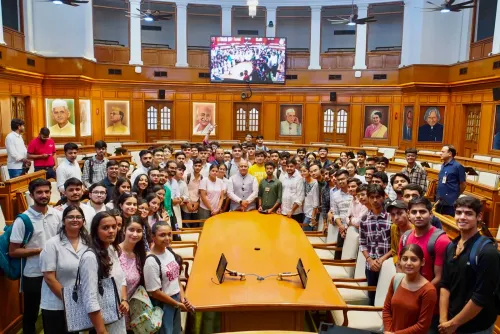
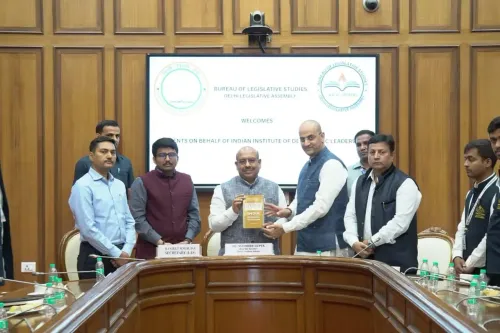
Students toured the Delhi Legislative Assembly Chamber and were introduced to the heritage Coffee Table Book 'Ek Shatabdi Yatra' .
Students of DPS School, Chattarpur, MP also visited the Assembly under the same programme.
The visit is part of an ongoing institutional effort to build civic literacy and constitutional awareness among young citizens.
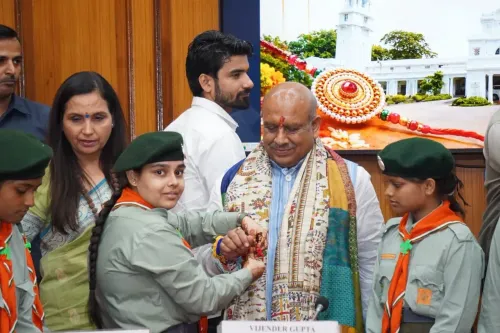
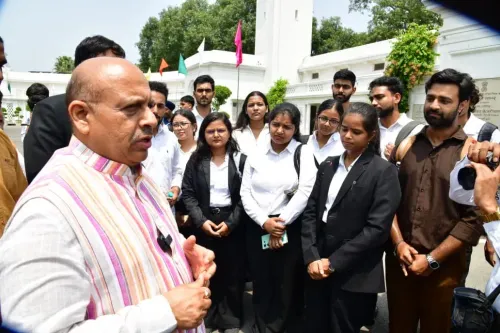
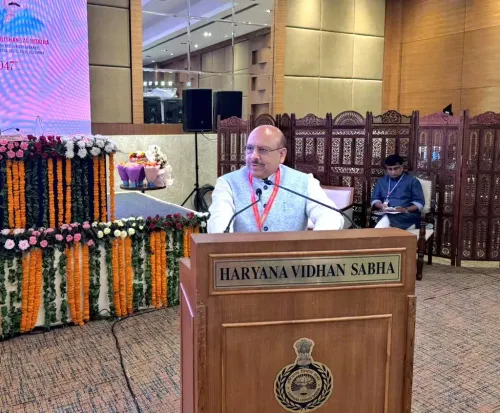
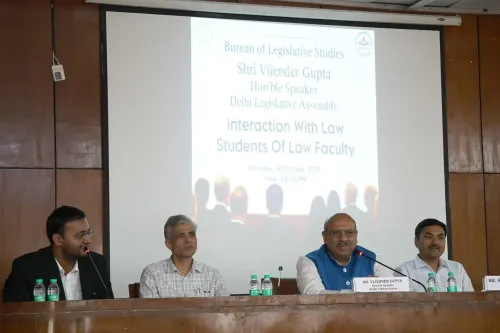
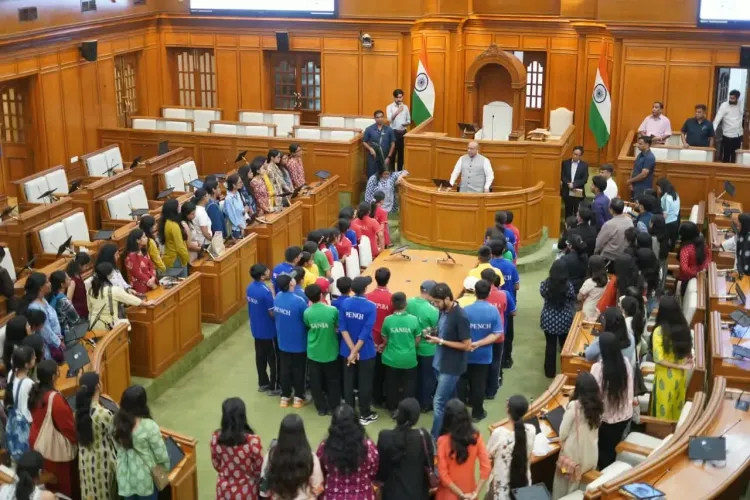
Delhi Legislative Assembly Speaker Vijender Gupta on Monday, 5 October 2026, called on young women to move beyond the role of voters and take active positions in public leadership, policy-making, and legislative processes. Speaking to students of Kamla Nehru College, University of Delhi, who visited the Delhi Legislative Assembly under the Youth Outreach Programme, Gupta said the country's march toward Viksit Bharat @2047 would require the equal participation, talent, and leadership of its young women.
Key Remarks by the Speaker
Gupta emphasised that the strength of Indian democracy rests on the active engagement of every section of society, and that young women hold a particularly significant role in shaping the India of 2047. He said women's participation in democracy must not remain confined to casting votes but must extend to legislative debates, decision-making forums, and positions of public leadership. The Speaker also encouraged students to remain curious about public affairs and to exercise both their constitutional rights and civic responsibilities.
What Students Experienced at the Assembly
The visit gave students a first-hand look at the functioning of a democratic institution outside the classroom. They explored the historic Delhi Legislative Assembly complex, including the main Assembly Chamber, gaining direct exposure to the setting in which legislative proceedings take place. Through guided tours and documentaries, students gained a broader perspective on the Assembly's historical significance and its democratic traditions.
Students were also introduced to the Assembly's heritage initiatives and the Coffee Table Book 'Ek Shatabdi Yatra', which documents the institution's rich historical journey. An open and wide-ranging discussion covered constitutional values, legislative functioning, women's participation in public life, and the role of youth in nation-building.
Other Schools and Wider Programme Goals
Students of DPS School, Chattarpur, Madhya Pradesh, also visited the Delhi Assembly under the same programme on the day. The Youth Outreach Programme is designed to create direct engagement between young citizens and democratic institutions, helping them understand the legislature's role not as passive observers but as active stakeholders in India's democratic journey.
Context and Significance
The programme comes amid broader national conversations around women's representation in politics, particularly following the passage of the Women's Reservation Bill, which reserves one-third of seats in Parliament and state assemblies for women — provisions that are set to take effect after delimitation. Gupta's interaction underscores a growing institutional effort to build civic literacy among young women at the grassroots level, connecting educational visits with constitutional awareness well before they enter the electorate or public life formally.
Point of View
But the Speaker's framing — that women must enter legislation and policy, not just vote — carries weight at a moment when the Women's Reservation Bill's implementation timeline remains contested. The Youth Outreach Programme's value lies less in the visit itself and more in whether it creates a sustained pipeline of civic engagement. What is missing from the conversation is accountability: how many past participants have gone on to formal civic or political roles? Without tracking outcomes, these interactions risk becoming photo opportunities rather than genuine democratic investment.
NationPress
5 Oct 2026
Frequently Asked Questions
What is the Delhi Assembly Youth Outreach Programme?
The Youth Outreach Programme invites students from schools and colleges to visit the Delhi Legislative Assembly, interact with elected representatives, and learn about constitutional values and legislative processes. It aims to make young citizens active stakeholders in democracy rather than passive observers.
What did Delhi Assembly Speaker Vijender Gupta say to the students?
Speaker Vijender Gupta urged the students, particularly women, to go beyond voting and participate actively in public leadership, policy-making, and legislative debates. He said India's goal of Viksit Bharat @2047 requires the equal talent and leadership of young women.
Which institutions visited the Delhi Assembly on 5 October 2026?
Students of Kamla Nehru College, University of Delhi, and DPS School, Chattarpur, Madhya Pradesh, visited the Delhi Legislative Assembly on 5 October 2026 under the Youth Outreach Programme.
What did the students do during the Delhi Assembly visit?
Students toured the historic Assembly complex, visited the main Chamber, watched documentaries on the Assembly's history, and were introduced to the heritage Coffee Table Book 'Ek Shatabdi Yatra'. They also held an open discussion with Speaker Vijender Gupta on democracy, constitutional values, and women's participation in public life.
Why is women's participation in democracy important in the Indian context?
Women's representation in Indian politics has historically been low, though the Women's Reservation Bill — which reserves one-third of parliamentary and state assembly seats for women — has been passed and awaits implementation after delimitation. Efforts like the Youth Outreach Programme seek to build civic awareness and aspirations among young women at an early stage.