CBDC-based DBT under PMGKAY to launch in Chandigarh, Dadra & Nagar Haveli on August 14
Synopsis
India is taking its Digital Rupee experiment into welfare delivery — and doing it at scale. On 14 August, Chandigarh and Dadra & Nagar Haveli become the first Union Territories to route all PMGKAY food subsidies through CBDC wallets, turning a pilot into a potential national template for plugging leakages in India's vast public distribution system.
Key Takeaways
The Centre will launch CBDC-based DBT under PMGKAY in Chandigarh and Dadra & Nagar Haveli on 14 August 2025 .
Chandigarh and Dadra & Nagar Haveli will be the first Union Territories to operationalise food subsidy transfers to all eligible PMGKAY beneficiaries via Digital Rupee tokens.
Beneficiaries will receive subsidies directly into CBDC wallets , usable only at empanelled merchants — reducing leakage and diversion.
The rollout builds on earlier pilots in Puducherry and Gujarat and is envisaged as a scalable national template .
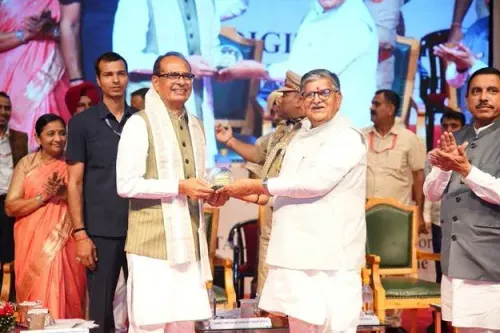
Ministers Pralhad Joshi and Shivraj Singh Chouhan , along with Punjab Governor Gulab Chand Kataria , will attend the launch event.
The Centre will launch Central Bank Digital Currency (CBDC)-based Direct Benefit Transfer (DBT) under the Pradhan Mantri Garib Kalyan Anna Yojana (PMGKAY) in the Union Territories of Chandigarh and Dadra & Nagar Haveli on 14 August 2025, a day before Independence Day, according to an official statement issued on Wednesday. The rollout will make these two UTs the first in India to operationalise food subsidy transfers entirely through programmable Digital Rupee tokens.
How the CBDC-DBT Model Works
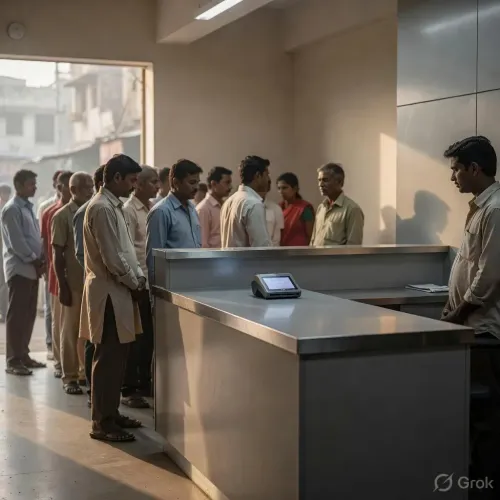
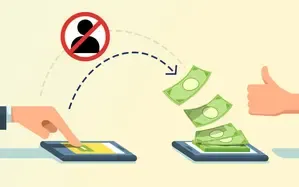
Under the new mechanism, eligible PMGKAY beneficiaries will receive their food subsidy directly into CBDC wallets rather than conventional bank accounts. The credited amount can then be used exclusively to purchase foodgrains from empanelled merchants via a secure, real-time, and end-to-end traceable digital payment system. The programmable nature of the Digital Rupee tokens means the subsidy can only be spent on its intended purpose, significantly reducing the risk of diversion.
Key Officials at the Launch
Union Consumer Affairs, Food, and Public Distribution Minister Pralhad Joshi, Punjab Governor and Chandigarh Administrator Gulab Chand Kataria, and Union Agriculture Minister Shivraj Singh Chouhan are scheduled to attend the launch event alongside senior government officials.
Building on Earlier Pilots
The Chandigarh and Dadra & Nagar Haveli rollout builds on earlier pilot implementations conducted in Puducherry and Gujarat. This expansion marks complete digital adoption and saturation of all eligible beneficiaries across the targeted Union Territories — a step beyond the limited-scale pilots. Notably, this is the first time the model is being extended to cover all eligible PMGKAY beneficiaries within a jurisdiction, rather than a subset.
Why It Matters for Welfare Delivery
The CBDC-enabled DBT framework is designed to address long-standing challenges in India's public distribution system, including leakages, cash diversion, and opaque subsidy trails. Real-time monitoring of subsidy utilisation will now be possible, strengthening government accountability. The initiative also aims to deepen financial inclusion by offering wallet-based transactions accessible to beneficiaries who may have limited banking engagement.
A Scalable Template for the Nation
Officials have described the rollout as a proof of concept and a scalable template for other states and Union Territories. The government expects the exercise to generate valuable operational data on integrating CBDC with large-scale welfare schemes, supporting its broader vision of strengthening Digital Public Infrastructure. If successful, the model could be replicated across India's 80 crore-plus PMGKAY beneficiary base in the coming years.
Point of View
But the real test lies ahead. Programmable money that can only be spent on foodgrains is a powerful anti-leakage tool — but it also raises questions about beneficiary autonomy and the readiness of empanelled merchant networks in smaller UTs. The government's framing as a 'scalable national template' is premature until operational data from Chandigarh and Dadra & Nagar Haveli is independently assessed. India's public distribution system has a long history of pilots that worked in controlled settings but struggled at the scale of hundreds of millions of beneficiaries. The Digital Rupee's promise is real; the execution risk is equally real.
NationPress
27 Sept 2026
Frequently Asked Questions
What is the CBDC-based DBT under PMGKAY?
It is a system under which eligible Pradhan Mantri Garib Kalyan Anna Yojana (PMGKAY) beneficiaries receive their food subsidy directly as Digital Rupee tokens into CBDC wallets, instead of conventional bank transfers. The tokens can only be used to buy foodgrains from government-empanelled merchants, making the subsidy traceable and reducing diversion.
Which Union Territories are covered in this launch?
Chandigarh and Dadra & Nagar Haveli are the two Union Territories covered in the 14 August launch. They will become the first UTs in India to route all eligible PMGKAY food subsidy transfers through CBDC wallets.
When and where will the CBDC-DBT launch take place?
The launch is scheduled for 14 August 2025, a day before Independence Day, in the Union Territories of Chandigarh and Dadra & Nagar Haveli. Senior Union ministers and the Punjab Governor are expected to attend.
Has this model been tested before?
Yes. Earlier pilot implementations were conducted in Puducherry and Gujarat before this broader rollout. The 14 August launch marks the first time the model is being extended to cover all eligible beneficiaries across entire Union Territories, rather than a limited pilot group.
What are the expected benefits of CBDC-based food subsidy transfers?
The model aims to eliminate leakages, reduce cash diversion, and enable real-time monitoring of subsidy utilisation. It also seeks to promote financial inclusion through simple wallet-based transactions and strengthen accountability in India's public welfare delivery system.