India Initiates CBDC-Driven Digital Food Currency Pilot in Puducherry

Synopsis
Explore how the Government of India is transforming food subsidy distribution with a Central Bank Digital Currency pilot in Puducherry. This initiative aims to enhance transparency, efficiency, and secure access to food for millions of beneficiaries.
Key Takeaways
CBDC Pilot: Launched in Puducherry for food subsidy distribution.
Direct Transfers: Digital currency for beneficiaries' food subsidies.
Transparency: Enhanced transparency in the Public Distribution System.
Food Security: Supports one of the world's largest food security programs.
Nutritional Security: Incorporates millets for better nutrition.
New Delhi, February 26 (NationPress) – On Thursday, the Government initiated an innovative pilot program utilizing Central Bank Digital Currency (CBDC) to allocate food subsidies as part of the Pradhan Mantri Garib Kalyan Anna Yojana in Puducherry.
This groundbreaking initiative is designed to enhance the transparency, efficiency, and security of food benefit distribution by leveraging the digital rupee for Direct Benefit Transfer (DBT).
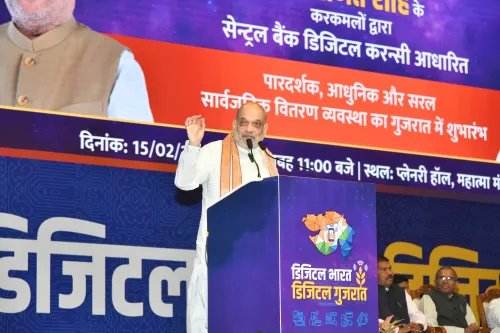
The launch took place on February 26, 2026, in Puducherry, officiated by Union Minister for Consumer Affairs, Food and Public Distribution, Pralhad Joshi.
Prominent attendees included Lieutenant Governor K. Kailashnathan, Chief Minister N. Rangasamy, and senior officials from both the central and Union Territory administrations.
With this new approach, food subsidies will be directly credited to beneficiaries in the form of programmable digital currency, commonly referred to as e₹.
These digital vouchers, generated by the Reserve Bank of India, will be transmitted to recipients' CBDC wallets.
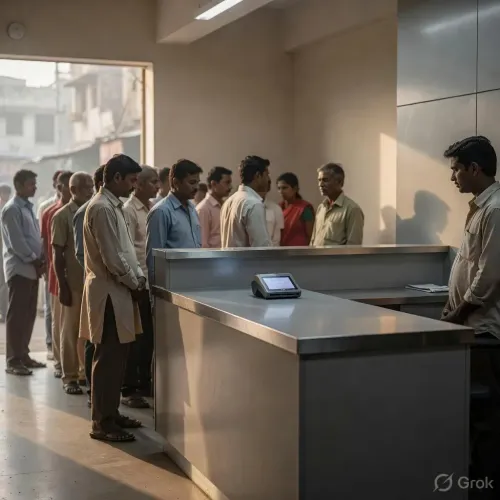
Beneficiaries can utilize these digital vouchers to purchase their allocated foodgrains from Fair Price Shops or authorized merchant outlets.
It is noteworthy that the digital currency is exclusively for acquiring foodgrains, ensuring that subsidies serve their designated purpose.
During the launch, the Union Minister remarked that integrating CBDC into the Public Distribution System (PDS) marks a significant advancement in India's food security framework.
He emphasized that this system will foster improved transparency, minimize leakages, and empower recipients with clear details regarding their entitlements.
The government noted that the PMGKAY stands as one of the largest food security initiatives globally, providing complimentary foodgrains to over 800 million beneficiaries.
To enhance nutritional security, in addition to wheat and rice, millets are also being distributed.
Officials indicated that the distribution of free foodgrains has contributed to lowering household food expenses, enabling families to allocate more funds toward other essential and nutritious items.
The Secretary of the Department of Food and Public Distribution stated that this new framework builds upon the Jan Dhan-Aadhaar-Mobile (JAM) model, furthering digital empowerment.
Special measures have been implemented to include feature phone users, ensuring broader accessibility of the system.
Beneficiaries will also have the capability to find nearby authorized stores via the application.
Point of View
Meeting the needs of a large population while enhancing accountability and transparency. The use of CBDC for food subsidies represents a forward-thinking approach to tackle food security challenges in the nation.
NationPress
28 Sept 2026
Frequently Asked Questions
What is the purpose of the CBDC pilot in Puducherry?
The CBDC pilot aims to distribute food subsidies transparently and efficiently under the Pradhan Mantri Garib Kalyan Anna Yojana.
How will beneficiaries receive their food subsidies?
Beneficiaries will receive their food subsidies directly in the form of programmable digital currency known as e₹ in their CBDC wallets.
What can beneficiaries purchase with the digital currency?
The digital currency can solely be used to purchase foodgrains from Fair Price Shops or authorized merchant outlets.
When was the pilot program launched?
The pilot program was launched on February 26, 2026.
What are the expected benefits of this initiative?
The initiative is expected to improve transparency, reduce leakages, and empower beneficiaries with clear information about their entitlements.