CBDC-based DBT for PMGKAY food subsidy launched in Chandigarh
Synopsis
India has taken its largest-ever step toward digitising welfare delivery — PMGKAY food subsidies for over 800 million beneficiaries will now flow through CBDC wallets with built-in controls that prevent diversion. The Chandigarh pilot, if it scales, could redefine how the world's biggest food security programme operates.
Key Takeaways
Union Agriculture Minister Shivraj Singh Chouhan launched a CBDC-based DBT system for PMGKAY in Chandigarh on 14 August .
Beneficiaries will receive food subsidies directly into CBDC wallets , replacing conventional bank account transfers.
Technological safeguards ensure funds can only be spent on foodgrains and essential food items , blocking diversion.
PMGKAY currently provides free foodgrains to more than 800 million people across India.
Beneficiaries will also be able to opt for pulses and other essential commodities beyond wheat and rice.
The Chandigarh pilot is designed as a model for nationwide adoption across the Public Distribution System.
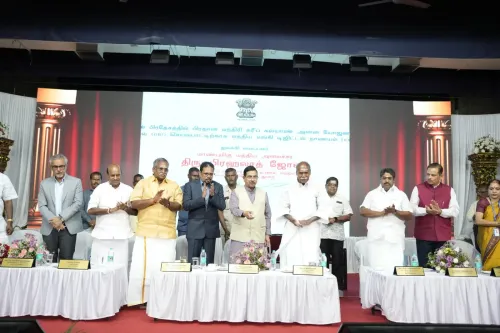
Union Agriculture Minister Shivraj Singh Chouhan on Friday, 14 August launched a Central Bank Digital Currency (CBDC)-based Direct Benefit Transfer (DBT) system in Chandigarh, enabling eligible Pradhan Mantri Garib Kalyan Anna Yojana (PMGKAY) beneficiaries to receive food subsidies directly into their CBDC wallets rather than conventional bank accounts. The pilot is designed to serve as a national model for digitising the Public Distribution System (PDS).
How the New System Works
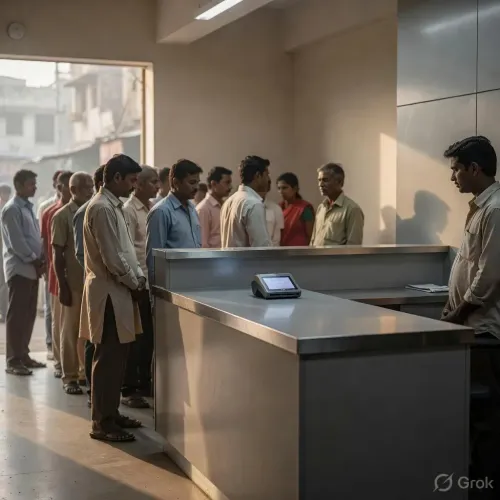
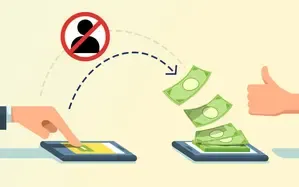
Under the CBDC-based DBT mechanism, beneficiaries can use their digital wallets to purchase foodgrains from empanelled merchants through a secure, traceable, and real-time payment channel. Critically, technological safeguards have been built in to ensure the transferred funds can only be spent on foodgrains and other essential food items — preventing diversion for unrelated purposes.
Beyond wheat and rice, beneficiaries will now have the option to choose pulses or other essential food commodities, widening dietary choice within the subsidy framework.
What Officials Said at the Launch
Chouhan said the initiative marks a significant step toward bringing greater transparency, security, and timeliness to the PDS. He described the PMGKAY — which provides free foodgrains to more than 800 million people — as one of the country's most consequential social security measures, noting that the scheme reduces household food expenditure and frees up family savings for education and other needs.
On agricultural policy, Chouhan said there would be 'no compromise on farmers' interests' in any international agreements, asserting that national interest, farmers' welfare, and public interest remain the guiding principles. He also pointed to India's strong wheat and rice stocks, saying the country is now capable of meeting domestic demand and exporting when required.
Chouhan also criticised disruptions in Parliament, saying such conduct amounts to an insult to the Constitution and the democratic process.
Who Was Present
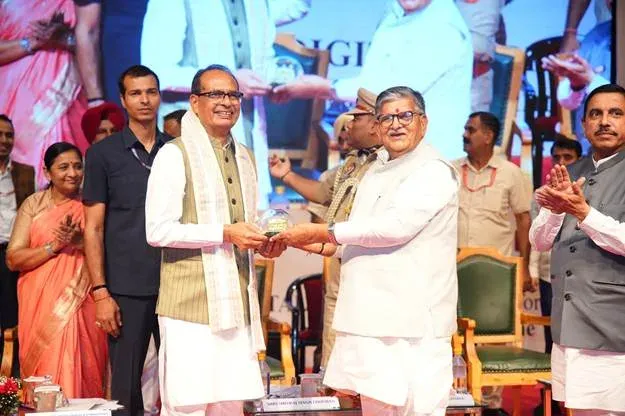
Punjab Governor Gulab Chand Kataria, Union Consumer Affairs, Food and Public Distribution Minister Pralhad Joshi, and senior officials attended the launch event in Chandigarh.
Significance and What Comes Next
The Chandigarh pilot is explicitly intended as a proof-of-concept for nationwide rollout. If the model demonstrates measurable reductions in leakage and diversion — longstanding challenges in PDS delivery — the Centre is expected to scale it across states. This comes amid broader Reserve Bank of India (RBI) efforts to expand CBDC adoption in retail and government payment channels. The integration of CBDC with a flagship welfare scheme of this scale would mark one of the largest deployments of digital currency infrastructure for social protection anywhere in the world.
Point of View
But because this is the first time spending restrictions have been hardcoded into a welfare transfer at this scale. The real test is leakage reduction: PDS diversion has historically been estimated in the tens of thousands of crores annually. If Chandigarh's data shows measurable improvement, the political pressure to scale nationally will be enormous. The risk, however, is exclusion — beneficiaries without smartphones or digital literacy could find CBDC wallets harder to access than ration cards. That tension between efficiency and inclusion will define whether this pilot becomes a blueprint or a cautionary tale.
NationPress
28 Sept 2026
Frequently Asked Questions
What is the CBDC-based DBT system launched for PMGKAY?
It is a pilot system launched in Chandigarh on 14 August under which PMGKAY food subsidy beneficiaries receive their entitlement directly into a Central Bank Digital Currency (CBDC) wallet instead of a conventional bank account. The funds can only be used to purchase foodgrains and essential food items from empanelled merchants.
Who launched the CBDC-DBT pilot and where?
Union Agriculture Minister Shivraj Singh Chouhan launched the pilot in Chandigarh on 14 August. Punjab Governor Gulab Chand Kataria and Union Minister Pralhad Joshi were also present at the event.
How many people does PMGKAY cover?
The Pradhan Mantri Garib Kalyan Anna Yojana provides free foodgrains to more than 800 million people, making it one of the largest food security programmes in the world.
What safeguards are built into the new CBDC wallet system?
Technological controls have been embedded to ensure that the subsidy funds transferred into CBDC wallets can only be spent on foodgrains and other essential food items. This is designed to prevent diversion of the subsidy for unrelated purposes.
Will the CBDC-DBT model be rolled out nationally?
The Chandigarh launch is explicitly a pilot intended to serve as a model for national adoption. A wider rollout would depend on the pilot's performance in demonstrating transparency, security, and reduced leakage in PDS delivery.