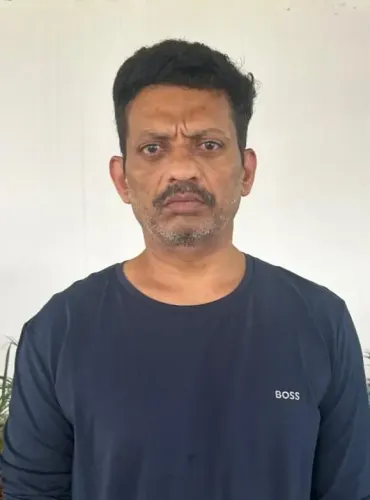
CBI extradites fugitive Md. Navas Kakkat Ismail from UAE via INTERPOL Red Notice
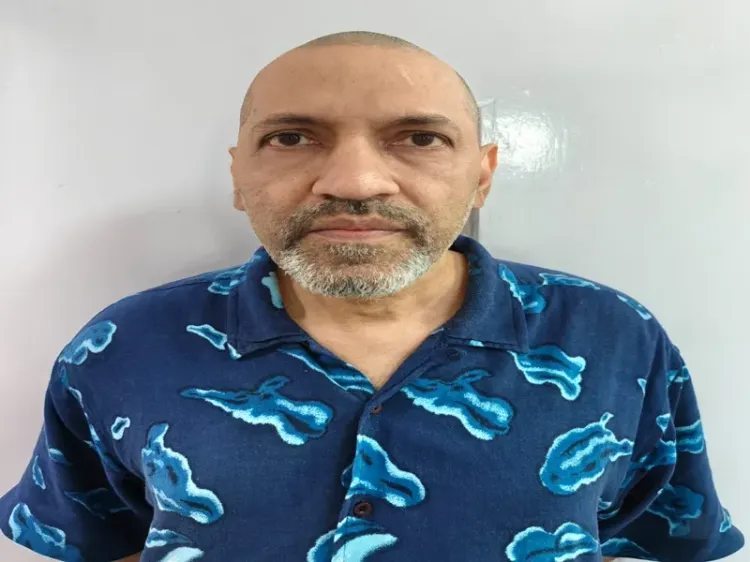
Synopsis
India has extradited organised crime suspect Md. Navas Kakkat Ismail from the UAE using an INTERPOL Red Notice — the latest in a string of over 150 fugitive repatriations in recent years. The case exposes a government-impersonation extortion racket and signals India's growing reach in pursuing cross-border criminals.
Key Takeaways
Navas Kakkat Ismail was extradited from the UAE and handed over to Indian authorities on 4 May 2025 .
He was wanted by Delhi Police for extortion, cheating, forgery, impersonation, and participation in an organised crime syndicate.
The CBI secured an INTERPOL Red Notice against him at Delhi Police's request, leading to his arrest by UAE authorities.
India submitted a formal extradition request pursued through sustained diplomatic and legal efforts before UAE approved it.
More than 150 wanted criminals have been repatriated to India in recent years via INTERPOL and the BHARATPOL mechanism.
The Central Bureau of Investigation (CBI) has successfully secured the extradition of wanted fugitive Md. Navas Kakkat Ismail from the United Arab Emirates (UAE), bringing him to New Delhi on 4 May 2025. The operation was carried out in close coordination with the Ministry of External Affairs (MEA) and the Ministry of Home Affairs (MHA), following a sustained diplomatic and legal push that began with an INTERPOL Red Notice.
Who Is Md. Navas Kakkat Ismail and What He Is Accused Of
Ismail was wanted in connection with a case registered by the Delhi Police involving a range of serious offences — including extortion, cheating, criminal misappropriation, forgery, impersonation, and participation in an organised crime syndicate. Investigators identified him as a key conspirator in a racket that extorted money by impersonating government officials, operating in collusion with other accused persons. He had reportedly fled to the UAE to evade arrest.
How the Extradition Was Secured
At the request of the Delhi Police, the CBI — functioning as India's National Central Bureau for INTERPOL — facilitated the publication of a Red Notice against Ismail through INTERPOL channels. UAE authorities subsequently tracked and arrested him. India then submitted a formal extradition request, which was pursued through sustained diplomatic engagement over an extended period.
After close follow-up, the UAE authorities approved the extradition. Ismail was flown to Indira Gandhi International Airport in New Delhi, where he was taken into custody by the Delhi Police on arrival.
India's Expanding Extradition Track Record
This extradition is part of a broader pattern of India leveraging international law enforcement cooperation to repatriate fugitives. According to the CBI, more than 150 wanted criminals have been successfully brought back to India over the past few years through the INTERPOL mechanism and the BHARATPOL coordination platform. Notably, this reflects a growing diplomatic assertiveness by India in pursuing offenders who seek refuge abroad, including in Gulf nations with which India has deepened bilateral ties.
What Happens Next
With Ismail now in Delhi Police custody, investigators are expected to interrogate him to uncover the full network behind the impersonation-and-extortion syndicate. His arrest could potentially lead to the identification and prosecution of other accused persons still at large. The case is likely to be heard before a Delhi court in the coming days as formal legal proceedings get under way.
Point of View
Historically a difficult jurisdiction, signals a meaningful shift in bilateral law enforcement cooperation. What warrants scrutiny, however, is the underlying racket: a government-impersonation syndicate operating across borders points to systemic vulnerabilities in how Indians verify official identity. Extraditing one conspirator is a start; dismantling the network requires going after those still at large and addressing the institutional gaps that made the fraud possible.
NationPress
2 Oct 2026
Frequently Asked Questions
Who is Md. Navas Kakkat Ismail and why was he wanted?
Md. Navas Kakkat Ismail is a fugitive wanted by the Delhi Police for serious offences including extortion, cheating, forgery, impersonation, and participation in an organised crime syndicate. He was identified as a key conspirator in a racket that extorted money by impersonating government officials.
How did India secure his extradition from the UAE?
The CBI, acting as India's National Central Bureau for INTERPOL, facilitated a Red Notice against Ismail, leading to his arrest by UAE authorities. India then submitted a formal extradition request through diplomatic and legal channels, which the UAE subsequently approved.
When was Md. Navas Kakkat Ismail brought back to India?
He was handed over to Indian authorities on 4 May 2025 and flown to Indira Gandhi International Airport in New Delhi, where Delhi Police took him into custody.
What is BHARATPOL and what role did it play?
BHARATPOL is India's domestic coordination platform through which the CBI, as the National Central Bureau for INTERPOL, liaises with law enforcement agencies across the country. It played a coordinating role in facilitating the Red Notice and tracking the fugitive through international channels.
How many fugitives has India repatriated through INTERPOL in recent years?
According to the CBI, more than 150 wanted criminals have been successfully brought back to India over the past few years through the INTERPOL mechanism and BHARATPOL, reflecting growing effectiveness in international law enforcement cooperation.