Twisha Sharma case: CBI builds digital timeline, mother-son duo in custody
Synopsis
The CBI is building a second-by-second digital map of retired judge Giribala Singh's Bhopal home using CCTV, CDR, Wi-Fi logs, and search history — all to establish what happened to Twisha Sharma on the night of 12 May. With the mother-son duo now in custody and allegations of tampered footage and selective call records in court, the case is as much about the integrity of the initial police probe as it is about the death itself.
Key Takeaways
Twisha Sharma was found dead on 12 May at the Bhopal home of her mother-in-law, retired district judge Giribala Singh .
The CBI is reconstructing a minute-by-minute digital timeline using CCTV footage , CDR , Wi-Fi logs , and internet search history .
A Bhopal district court sent Giribala Singh and son Samarth Singh to five-day CBI custody until 2 June on charges including dowry harassment and suspected abetment.
The Madhya Pradesh High Court quashed Giribala's anticipatory bail, citing WhatsApp chats and family statements.
Family counsel advocate Anurag Srivastava alleged CCTV footage was tampered with and call records submitted in court were selective, with police officials reportedly appearing in CDR data.
The Central Bureau of Investigation (CBI) is reportedly reconstructing a minute-by-minute digital timeline of events inside the Bhopal home of retired district judge Giribala Singh, where her daughter-in-law Twisha Sharma was found dead on 12 May. The agency is deploying advanced forensic and digital tools to establish exactly what occurred in the final hours before Sharma's death.
How the Digital Reconstruction Works
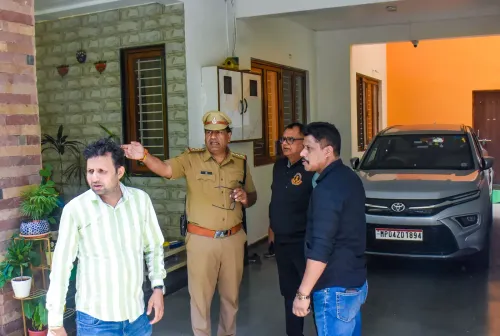
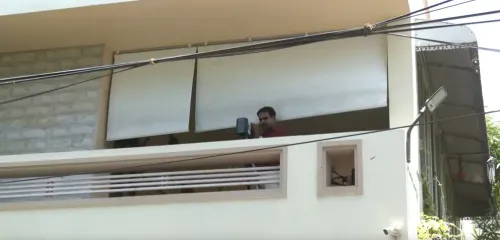
According to reports, the CBI is merging multiple data streams — CCTV footage from the night of the incident, mobile phone activity, home Wi-Fi logs, internet search history, and Call Detail Records (CDR) — with forensic mapping of the three-storey residence. The virtual timeline is designed to pinpoint Twisha's location in her final moments, identify which devices were active, and track what online activity took place inside the house.
The CBI is also verifying whether any digital data was deleted, altered, or selectively withheld during the initial investigation by local police — a concern that has gained weight following allegations raised in court.
Mother-Son Duo Sent to CBI Custody
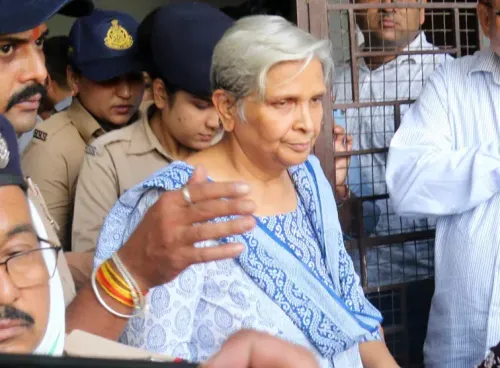
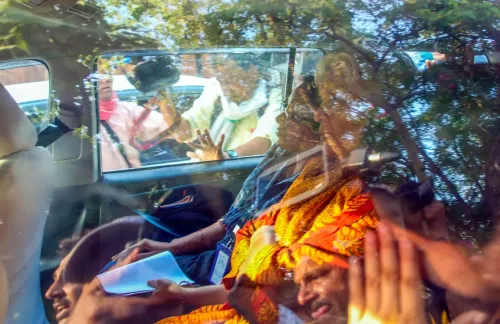
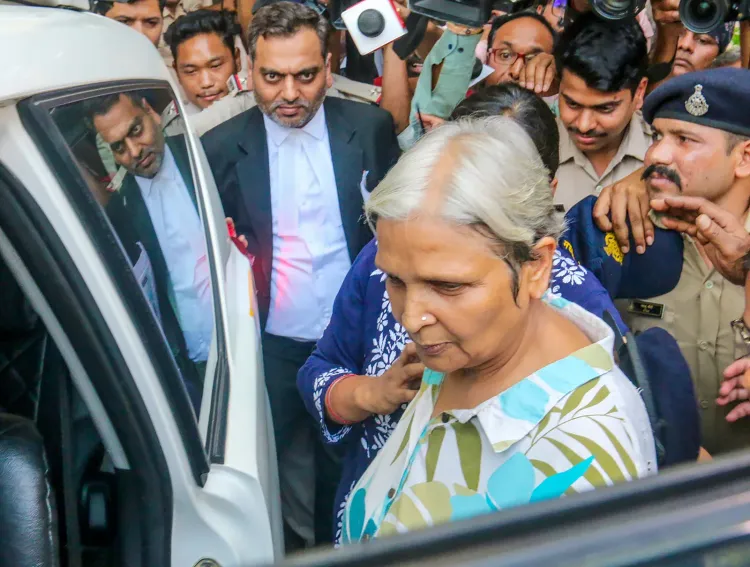
The investigative push intensified after a Bhopal district court on Friday remanded Giribala Singh and her son Samarth Singh to five-day CBI custody until 2 June. Special Judge Shobhana Bhalave approved the remand to question the mother-son duo on allegations of dowry harassment, cruelty, and suspected abetment.
CBI officials told the court that custodial interrogation was necessary to confront the accused with electronic evidence recovered from multiple devices. Giribala Singh was arrested from her Katara Hills home on Thursday, a day after the Madhya Pradesh High Court quashed her anticipatory bail. The court, while cancelling the interim relief, noted that WhatsApp chats and family statements suggested the allegations were not confined to her husband alone.
Allegations of Tampered Evidence and Selective Records
Following the remand order, Twisha's family counsel, advocate Anurag Srivastava, alleged significant gaps in the early stages of the probe. 'There were around 40 to 45 mobile numbers involved, but initially there were no call records from Giribala Singh's phone,' he said.
Srivastava further alleged that records later showed continuous conversations among several persons, and that some police officials also figured in those call records. He claimed the call details submitted in court were selective and alleged that CCTV footage had been tampered with before seizure — allegations that the CBI is now reportedly probing as part of its broader inquiry.
Background and What Comes Next
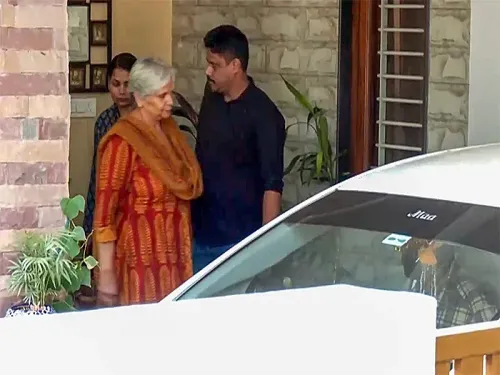
Twisha Sharma was found dead on 12 May at the residence of her mother-in-law, retired district judge Giribala Singh, in Bhopal, Madhya Pradesh. The case drew scrutiny after allegations of dowry harassment and cruelty surfaced, prompting the CBI to take over from local police. The five-day custody period runs until 2 June, after which investigators are expected to seek further remand or file a formal charge-sheet based on the digital and forensic evidence gathered. The outcome of the digital reconstruction could prove pivotal in establishing the sequence of events that led to Twisha's death.
Point of View
And one that mainstream coverage has underplayed. If the CDR data holds up in court, this case could expose not just the accused but the integrity of the initial local police response. The Madhya Pradesh High Court's decision to quash anticipatory bail while citing WhatsApp evidence also signals judicial discomfort with how early the case was being wound down.
NationPress
13 Oct 2026
Frequently Asked Questions
Who is Twisha Sharma and what happened to her?
Twisha Sharma was the daughter-in-law of retired district judge Giribala Singh, found dead on 12 May at the family's residence in Bhopal, Madhya Pradesh. The CBI is investigating allegations of dowry harassment, cruelty, and suspected abetment in connection with her death.
Why are Giribala Singh and Samarth Singh in CBI custody?
A Bhopal district court remanded Giribala Singh and her son Samarth Singh to five-day CBI custody until 2 June to allow investigators to confront them with electronic evidence recovered from multiple devices. They face allegations of dowry harassment, cruelty, and suspected abetment.
What is the CBI's digital reconstruction and why does it matter?
The CBI is merging CCTV footage, mobile phone activity, home Wi-Fi logs, internet search history, and Call Detail Records to build a minute-by-minute timeline of events inside the three-storey residence on the night of 12 May. The reconstruction aims to establish Twisha's movements in her final moments and identify any digital tampering.
Why did the Madhya Pradesh High Court cancel Giribala Singh's anticipatory bail?
The Madhya Pradesh High Court quashed Giribala Singh's anticipatory bail after noting that WhatsApp chats and family statements suggested the allegations of harassment were not confined to Twisha's husband alone. The cancellation led to her arrest from her Katara Hills home on Thursday.
What are the allegations about evidence tampering in the case?
Family counsel advocate Anurag Srivastava alleged that CCTV footage was tampered with before seizure and that call records submitted in court were selective. He also claimed that records showed continuous conversations among several persons, with some police officials reportedly appearing in the CDR data — allegations the CBI is now investigating.