CBN holds Malana Jan Samvad to curb illicit cannabis, push alternative livelihoods
Synopsis
The Central Bureau of Narcotics took its community-dialogue model to Malana — arguably India's most internationally recognised illicit cannabis village — pledging livelihood alternatives from apiculture to tourism. Whether these promises survive the next cultivation season is the real test.
Key Takeaways
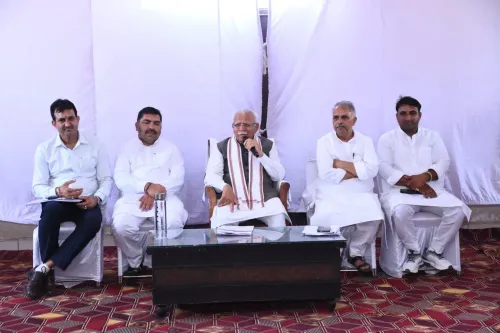
The Central Bureau of Narcotics (CBN) held a Jan Samvad at Malana village , Kullu , on 7 October 2026 .
The outreach is part of the Yuva Raksha initiative under the Nasha Mukt Bharat Abhiyaan .
Villagers were encouraged to shift from illicit cannabis to alternatives including apiculture , dairy , and tourism .
Community members and schoolchildren took collective pledges to remain drug-free and discourage illicit cultivation.
Key concerns raised included poor connectivity , weak market linkages , and difficulties in apple cultivation .
Ecological damage — including loss of grazing land and deforestation — was also highlighted as a consequence of unchecked cannabis farming.
The Central Bureau of Narcotics (CBN) organised a Jan Samvad community dialogue at Malana village in Kullu district, Himachal Pradesh, on 7 October 2026, urging residents to abandon illicit cannabis cultivation and shift to sustainable livelihoods. The outreach forms part of the CBN's Yuva Raksha initiative and its broader mandate to promote alternative development in drug-affected regions.
Why Malana Was Chosen
Malana is a remote Himalayan settlement long associated with illicit cultivation of cannabis, locally yielding charas and hashish oil. The village is equally noted for its distinctive cultural heritage and traditional self-governing community institutions. Officials noted that the area's geographic isolation and limited market access have historically made illicit crops an economic fallback for many households.
What the Jan Samvad Covered
CBN teams conducted awareness drives highlighting the health and legal consequences of cannabis (ganja), charas, and hashish oil consumption for rural youth and local populations. Discussions extended to the ecological damage caused by unchecked cannabis cultivation, including shrinking grazing land for sheep and goats and concerns over deforestation in surrounding forest tracts.
The dialogue also addressed practical barriers to switching livelihoods — including difficulties in apple cultivation, poor road connectivity, weak market linkages, and the absence of fair prices for agricultural produce. Viable alternatives presented to villagers included apiculture, animal husbandry, dairy activities, and tourism, all flagged as locally suitable income sources with departmental support available.
Community Pledges and Youth Participation
At the close of the Jan Samvad, community members collectively pledged to refrain from drug consumption and to discourage illicit cannabis cultivation in the upcoming cultivation season. Schoolchildren at the event separately took a drug-free pledge, committing to contribute to a healthier community environment. CBN officials described the interaction as constructive, with both sides agreeing to explore practical pathways toward alternative crop development.
Link to Nasha Mukt Bharat Mission
The Malana outreach is framed as part of Prime Minister Narendra Modi's vision of a Nasha Mukt Bharat (Drug-Free India) and is aligned with the objectives of the Nasha Mukt Bharat Abhiyaan. The CBN's alternative-development push in illicit-cultivation zones involves sustained preventive awareness, youth engagement, and multi-department coordination on livelihood support. Notably, Himachal Pradesh's high-altitude cannabis belt — which includes areas around Kullu, Parvati Valley, and Malana — has been a recurring focus for narcotics enforcement over the years, though community-led dialogue models represent a newer, softer intervention strategy.
The success of the initiative will depend on whether the alternative livelihood avenues discussed translate into tangible income support before the next cultivation season begins.
Point of View
Making the CBN's Jan Samvad model a notable but fragile bet. The core tension is economic: illicit charas commands a price that apiculture or dairy rarely matches in the short term, and past awareness drives in Himachal's cannabis belt have struggled to hold gains once officials leave. The pledge-taking ceremony is symbolic; what will matter is whether the departments promising market linkages and fair prices for alternative produce follow through before the next sowing window. Without a credible, time-bound livelihood transition plan — with funding commitments, not just discussions — the Jan Samvad risks becoming a recurring ritual rather than a structural shift.
NationPress
7 Oct 2026
Frequently Asked Questions
What is the CBN Jan Samvad held at Malana?
It is a community dialogue organised by the Central Bureau of Narcotics at Malana village in Kullu, Himachal Pradesh on 7 October 2026, aimed at discouraging illicit cannabis cultivation and promoting alternative livelihoods. It is part of the Yuva Raksha initiative under the Nasha Mukt Bharat Abhiyaan.
Why is Malana associated with illicit cannabis cultivation?
Malana is a remote Himalayan village in Kullu district where geographic isolation, limited market access, and traditional practices have historically made illicit cannabis — processed into charas and hashish oil — an economic fallback for many residents. The village is also internationally known for its distinctive cultural heritage and self-governing community institutions.
What alternative livelihoods were suggested to Malana villagers?
The CBN and associated departments presented apiculture, animal husbandry, dairy activities, and tourism as locally viable alternatives to cannabis cultivation. Officials also discussed improving apple cultivation, connectivity, and market linkages to support a sustainable income transition.
What pledges were made at the Jan Samvad?
Community members collectively pledged to refrain from drug consumption and to discourage illicit cannabis cultivation in the upcoming season. Schoolchildren separately took a drug-free pledge, committing to contribute to a healthier community.
How does this initiative connect to the Nasha Mukt Bharat mission?
The Malana Jan Samvad is framed as part of Prime Minister Narendra Modi's vision of a Nasha Mukt Bharat (Drug-Free India), with the CBN tasked to drive sustained preventive awareness, youth engagement, and community participation in drug-affected regions as part of the Nasha Mukt Bharat Abhiyaan.