CCRS orders BMRCL probe into 20 Namma Metro disruptions since 2024
Synopsis
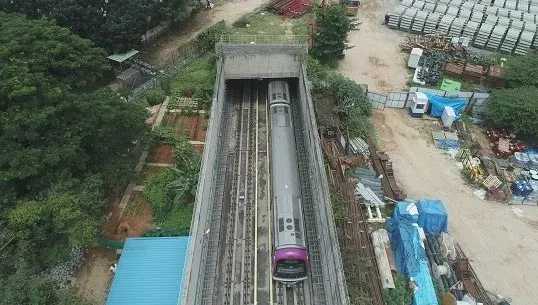
Twenty service disruptions in under 18 months — mostly on the Purple Line — have triggered a formal CCRS inquiry into Bengaluru's Namma Metro. With BMRCL now required to audit three years of operational and maintenance records, the probe could expose systemic gaps in one of India's fastest-growing urban transit networks.
Key Takeaways
The Chief Commissioner of Rail Safety (CCRS) has directed BMRCL to investigate metro service disruptions over the last three years and report on corrective measures.
Nearly 20 disruptions have been recorded on the Bengaluru Metro network since January 2024 , with the Purple Line most affected.
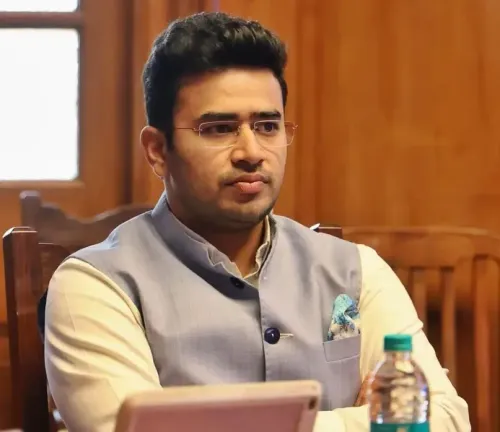
The directive followed a formal request by Bengaluru South MP Tejasvi Surya of the BJP .
CCRS official Janak Kumar Garg confirmed BMRCL has also been asked to audit the effectiveness of its operational and maintenance systems.
Under the Metro Railways (Operation and Maintenance) Act, 2002 , day-to-day safety responsibility rests with the Metro Railway Administration, not the CCRS.
Surya has urged the Karnataka government to treat passenger safety as its highest priority in managing Namma Metro.
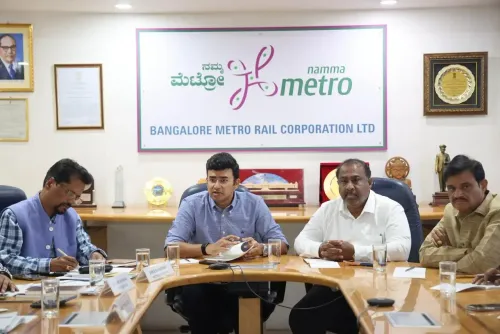
The Chief Commissioner of Rail Safety (CCRS) has directed the Bengaluru Metro Rail Corporation Limited (BMRCL) to investigate train service disruptions recorded over the past three years and submit a detailed report on corrective measures taken, following a formal request by Bengaluru South MP Tejasvi Surya. The directive, disclosed on Wednesday, 1 July 2025, comes amid growing concern over the reliability of the city's rapid transit network.
Key Developments
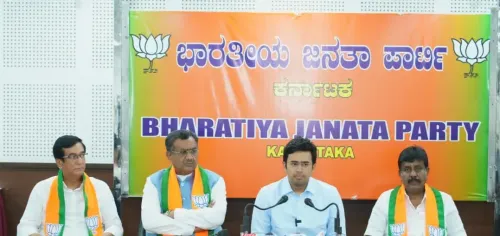
Tejasvi Surya, who also serves as Bharatiya Janata Party (BJP) National Yuva Morcha President, said he had written to the Commissioner of Railway Safety, Southern Circle, requesting cognisance of the matter and action to hold BMRCL to account. In response, Chief Commissioner of Railway Safety and Commissioner of Metro Railway Safety, Southern Circle, Janak Kumar Garg confirmed that MD/BMRCL had been advised to investigate the incidents and audit the effectiveness of operational and maintenance aspects of the metro rail system.
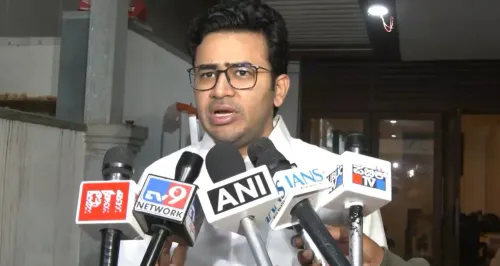
Surya noted that nearly 20 service disruptions have been reported across the Bengaluru Metro network since January 2024, with the Purple Line recording the highest number of incidents. 'This is no longer about isolated breakdowns. It points to a pattern that raises serious concerns about the safety and reliability of Metro operations,' he said.
What the CCRS Said
In a written communication to Surya, Janak Kumar Garg stated: 'MD/BMRCL has already been advised to investigate the above incident and submit the corrective measures undertaken in the above case and also similar incidents of train service disruptions over the last three years. Further, MD/BMRCL has been advised for the auditing of effectiveness of operational and maintenance aspects of Metro Railway Systems.'
Garg also clarified the statutory boundaries of the CCRS, noting that under the Metro Railways (Operation and Maintenance) Act, 2002, the Commissioner is required to inquire into accidents involving loss of human life or grievous injury, as well as inspect and authorise the opening of new metro lines and the introduction of new rolling stock. Day-to-day operational safety, however, remains the responsibility of the Metro Railway Administration.
Surya's Demands and Recommendations
Surya said he consulted several experts in metro safety and systems engineering before writing to BMRCL with a set of recommendations based on their inputs. He urged the Karnataka government — as the authority responsible for Namma Metro's operations and maintenance — to treat the matter with the urgency it warrants.
'The safety of every passenger using Namma Metro is paramount. Bengaluru deserves complete transparency, rigorous safety oversight, and public confidence in its Metro system,' Surya said, calling for systemic reforms to identify and address the root causes of repeated disruptions.
What Happens Next
BMRCL is now expected to submit its findings to the CCRS, covering corrective actions taken across all disruption incidents over the last three years. The outcome of the audit into operational and maintenance effectiveness will likely determine whether further regulatory action is initiated. Commuters and transport observers will be watching closely for any public disclosure of the inquiry's findings and a concrete timeline for reforms.
Point of View
And the CCRS inquiry is a belated acknowledgment of that. What is notable here is the statutory gap: the CCRS can investigate and advise, but daily safety accountability sits squarely with BMRCL and, by extension, the Karnataka government. That diffusion of responsibility is precisely what allows recurring faults to go unresolved. The real test of this inquiry will be whether BMRCL's corrective-measures report is made public and acted upon — or quietly filed away. Bengaluru's commuters, who have few alternatives to the metro on key corridors, deserve more than an internal audit.
NationPress
30 Sept 2026
Frequently Asked Questions
Why has the CCRS ordered an inquiry into Bengaluru's Namma Metro?
The CCRS directed BMRCL to investigate after Bengaluru South MP Tejasvi Surya formally flagged nearly 20 service disruptions on the Bengaluru Metro network since January 2024. The inquiry covers disruptions over the last three years and requires BMRCL to report on corrective measures taken.
How many disruptions has Namma Metro experienced since 2024?
Nearly 20 technical faults and service disruptions have been reported across the Bengaluru Metro network since January 2024, according to Tejasvi Surya. The Purple Line has recorded the highest number of incidents among all metro corridors.
Who is responsible for Namma Metro's day-to-day safety?
Under the Metro Railways (Operation and Maintenance) Act, 2002, the day-to-day operational and maintenance safety of the metro is the responsibility of the Metro Railway Administration — in this case, BMRCL — not the CCRS. The CCRS's statutory role covers accident inquiries, line inspections, and authorisation of new rolling stock.
What action has Tejasvi Surya demanded?
Surya has urged BMRCL to identify and fix the root causes of repeated disruptions and has called on the Karnataka government to prioritise passenger safety. He also consulted metro safety and systems engineering experts before submitting recommendations to BMRCL.
What happens after the CCRS directive?
BMRCL is expected to submit a report to the CCRS covering corrective actions taken across all disruption incidents over the last three years. An audit of the effectiveness of BMRCL's operational and maintenance systems is also under way, the findings of which could determine whether further regulatory action follows.