CEC Gyanesh Kumar visits Agra temple, urges voters to enrol and participate
Synopsis
India's top election official used a personal family visit to his hometown Agra to deliver a public appeal on voter enrolment — days after the Supreme Court backed the Election Commission's contested Special Intensive Revision of electoral rolls. The combination of a court endorsement and a grassroots outreach signals the ECI is moving to consolidate credibility on voter list accuracy ahead of the next election cycle.
Key Takeaways
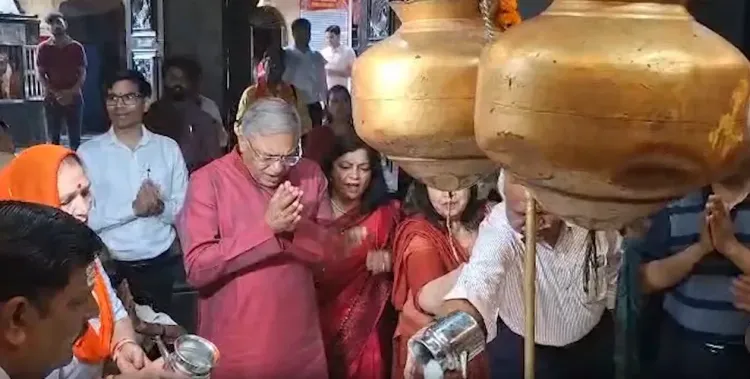
CEC Gyanesh Kumar visited the Kailash Mahadev Temple in Agra on 2 June with his wife Anuradha and appealed to citizens to obtain voter ID cards and vote.
He stated that clean electoral rolls are 'the basis of transparent voting.' The Election Commission of India (ECI) recently concluded elections in five states and union territories ; counting was held on 4 May .
Kumar defended the Special Intensive Revision (SIR) of electoral rolls, calling the updated lists among the 'purest and most accurate' globally.
The Supreme Court on 27 May upheld the SIR exercise as lawful and proportionate, in a judgment by Chief Justice Surya Kant and Justice Joymalya Bagchi .
The revision involved more than 1.5 million booth-level agents and party representatives across districts and states.
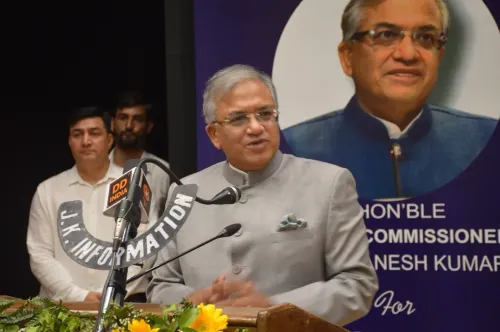
Chief Election Commissioner Gyanesh Kumar on Tuesday, 2 June visited the Kailash Mahadev Temple in Agra with his family, offered prayers according to traditional rituals, and used the occasion to appeal to citizens across the country to obtain voter ID cards and actively participate in the democratic process.
What the CEC Said
Speaking to reporters after the temple visit, Kumar said, 'After the successful conduct of elections in five states, my wife Anuradha and I have come to our hometown, Agra, to seek the blessings of our parents.'
He added, 'After receiving our parents' blessings, I visited the Kailash Mahadev Temple and sought the blessings of Lord Mahadev. Through your platform, I would like to appeal to all voters to obtain their voter ID cards and actively participate in the democratic process. Clean electoral rolls are the basis of transparent voting. Every citizen should come forward and exercise their right to vote.'
Five-State Election Cycle Concluded
The visit follows the conclusion of a significant election cycle overseen by the Election Commission of India (ECI). Assembly elections were held across four states and one union territory: polling in West Bengal took place on 23 April and 29 April; Tamil Nadu voted on 23 April; and Kerala, Assam, and Puducherry went to the polls on 9 April. Counting of votes for all five regions was conducted on 4 May.
Kumar Defends Special Intensive Revision of Electoral Rolls
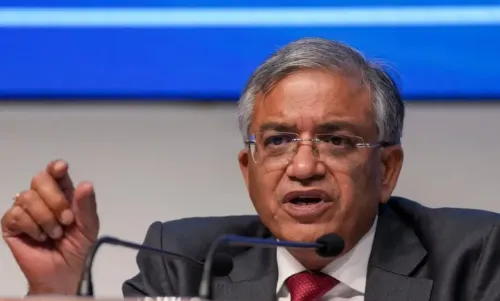
Earlier on Sunday, Kumar had defended the Special Intensive Revision (SIR) of electoral rolls, asserting that the exercise had produced some of the most accurate voter lists in the world. His remarks came amid criticism from opposition parties and shortly after the Supreme Court upheld the validity of the process.
According to Kumar, the revision ensured every eligible voter was included while ineligible entries were removed. He described the updated rolls as among the 'purest and most accurate' electoral databases globally.
Supreme Court Endorses the Exercise
The Supreme Court's endorsement came through a judgment delivered on 27 May by a bench comprising Chief Justice Surya Kant and Justice Joymalya Bagchi. The court observed that the SIR exercise strengthened the constitutional principle of free and fair elections, and found the Election Commission's measures to be lawful, proportionate, and supported by adequate procedural safeguards.
Scale of the Revision Process
Kumar highlighted that the revision was conducted under extensive supervision, involving more than 1.5 million booth-level agents as well as district and state-level representatives of national and regional political parties. The broad-based oversight, he argued, ensured transparency throughout the exercise. With electoral roll accuracy now backed by a Supreme Court ruling, the Commission appears to be using every public platform — including temple visits — to reinforce voter participation ahead of future polls.
Point of View
Relatable settings to rebuild voter trust rather than issuing formal press statements. Whether this translates into measurably higher enrolment or turnout in the next cycle is the real accountability test the ECI has yet to face.
NationPress
18 Oct 2026
Frequently Asked Questions
Why did CEC Gyanesh Kumar visit Agra on 2 June?
CEC Gyanesh Kumar visited Agra on 2 June for a personal family trip to his hometown to seek his parents' blessings. During the visit, he also offered prayers at the Kailash Mahadev Temple and used the occasion to appeal publicly for voter enrolment and participation.
What is the Special Intensive Revision (SIR) of electoral rolls?
The Special Intensive Revision (SIR) is an exercise conducted by the Election Commission of India to update and clean voter lists by including all eligible voters and removing ineligible entries. The Supreme Court upheld its validity on 27 May, calling it lawful and proportionate.
What did the Supreme Court say about the electoral roll revision?
A Supreme Court bench comprising Chief Justice Surya Kant and Justice Joymalya Bagchi, in a judgment on 27 May, found that the SIR exercise strengthened the constitutional principle of free and fair elections and that the Election Commission's measures were lawful and supported by adequate procedural safeguards.
Which states held elections in the recently concluded cycle?
The Election Commission conducted Assembly elections in West Bengal (23 and 29 April), Tamil Nadu (23 April), Kerala, Assam, and Puducherry (9 April). Votes for all five regions were counted on 4 May.
How many people were involved in supervising the electoral roll revision?
According to CEC Gyanesh Kumar, more than 1.5 million booth-level agents participated in the revision process, alongside district and state-level representatives of national and regional political parties, ensuring broad oversight.