Centre Allocates 14,520 MT Grain to Uttarakhand for Ardh Kumbh 2027
Synopsis
The Central Government has allocated 14,520 metric tonnes of additional food grain — 7,260 MT wheat and 7,260 MT rice — to Uttarakhand for the Ardh Kumbh Mela 2027 in Haridwar, following a formal state request. Union Minister Prahlad Joshi informed CM Pushkar Singh Dhami by letter.
Key Takeaways
The Central Government has sanctioned 14,520 metric tonnes of additional food grain for Uttarakhand ahead of the Ardh Kumbh Mela 2027 .
The allocation comprises 7,260 metric tonnes of wheat and 7,260 metric tonnes of rice from the Department of Food and Public Distribution .
Union Minister Prahlad Joshi formally communicated the sanction to CM Pushkar Singh Dhami via letter.
The allocation follows a formal request made by the Uttarakhand government to ensure adequate food supply during the mela.
CM Dhami publicly thanked PM Narendra Modi and the Central Government for the support.
The move is consistent with previous central assistance for large-scale Kumbh events under the National Food Security Act, 2013 .
Fourteen thousand five hundred and twenty metric tonnes of food grain are now headed to Uttarakhand — and behind that number lies the full weight of logistics required to feed millions of pilgrims descending on Haridwar for the Ardh Kumbh Mela 2027. The Chief Minister's Office of Uttarakhand announced on Friday, 30 October 2026, that the Central Government has sanctioned a special additional food grain allocation to ensure smooth supply and distribution during the proposed mega religious event.
What New Delhi sanctioned — and why Dhami asked for it
The Department of Food and Public Distribution, Government of India, has allocated 7,260 metric tonnes of wheat and an equal 7,260 metric tonnes of rice as an additional quota specifically earmarked for the Ardh Kumbh Mela. The Uttarakhand government had formally approached the Centre requesting the extra allocation, anticipating the extraordinary pressure that millions of pilgrims will place on the state's Public Distribution System during the mela period.
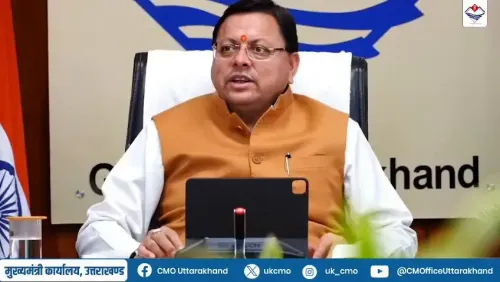
Union Minister Prahlad Joshi, who heads the Ministry of Consumer Affairs, Food and Public Distribution, conveyed the sanction to Chief Minister Pushkar Singh Dhami through a formal letter. The communication confirms the Centre's active role in backstopping state-level preparations for one of Hinduism's most significant pilgrimage events.
Dhami's gratitude and the federal mechanics at work
CM Dhami publicly thanked Prime Minister Narendra Modi and the Central Government for the allocation, describing it as critical to maintaining orderly food supply and distribution during the mela. The exchange — state requests, Centre responds, CM acknowledges — is a textbook illustration of cooperative federalism in action under India's food security architecture.
That architecture rests on the National Food Security Act, 2013, which established the framework allowing the Centre to make special grain allocations to states for large public events and emergencies. Previous editions of the Kumbh Mela at Haridwar and other Kumbh sites have drawn on similar central support, making this allocation consistent with a well-worn playbook.
What this grain means on the ground in Haridwar
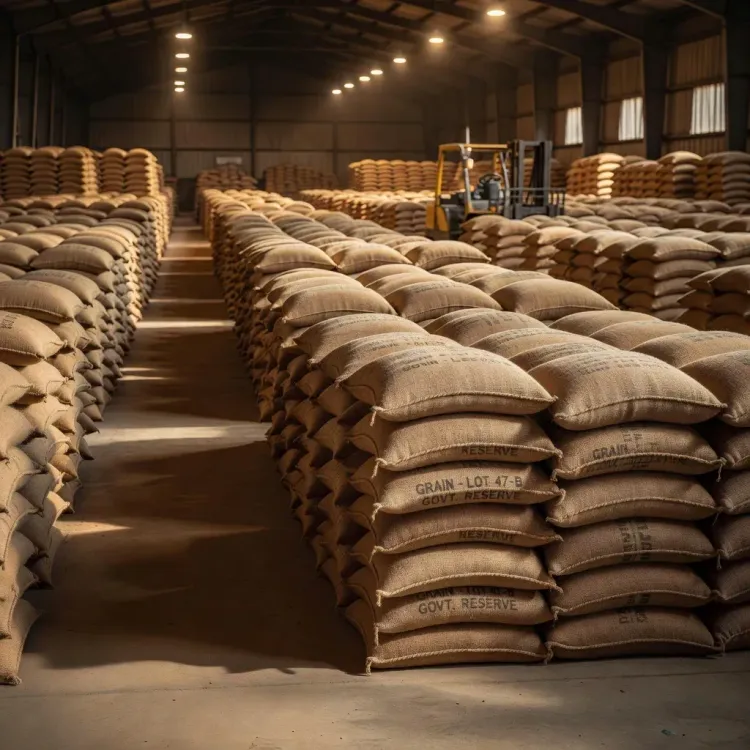
Haridwar, one of four traditional Kumbh Mela sites, transforms into one of the world's largest temporary cities during these gatherings. Ensuring that food grain reaches fair-price shops, community kitchens, and relief camps across the mela grounds — without shortage or chaos — requires advance stockpiling on a scale that normal state allocations cannot cover alone. The combined 14,520 metric tonnes gives administrators a substantial buffer to plan against unpredictable footfall surges.
With the Ardh Kumbh Mela 2027 still over a year away, this early allocation signals that both the state and the Centre are front-loading logistical groundwork — food security first, infrastructure and security preparations to follow.
For the millions who will walk the ghats of Haridwar in 2027, the assurance of adequate food supply will be invisible infrastructure — but getting that invisibility right is exactly the point.
Point of View
Securing and publicly acknowledging central support a full year-plus before the mela reinforces his government's organisational credibility and positions Uttarakhand as a proactive partner in what will inevitably become a nationally watched event. The early activation of food security logistics also signals that the 2027 Ardh Kumbh planning calendar is running ahead of schedule, setting a benchmark for other infrastructure decisions — security, sanitation, transport — that will follow. Broader pattern: the Centre's willingness to extend special PDS allocations for religious gatherings reflects how food policy has become both a welfare instrument and a soft-power signal during mass Hindu pilgrimages.
NationPress
30 Oct 2026
Frequently Asked Questions
How much food grain has the Centre allocated to Uttarakhand for Ardh Kumbh 2027?
The Central Government has allocated 14,520 metric tonnes of additional food grain — comprising 7,260 MT of wheat and 7,260 MT of rice — specifically for the Ardh Kumbh Mela 2027 in Haridwar.
Who approved the food grain allocation for Ardh Kumbh Mela 2027?
The allocation was approved by the Department of Food and Public Distribution, Government of India . Union Minister Prahlad Joshi communicated the sanction to Uttarakhand CM Pushkar Singh Dhami through a formal letter.
When is the Ardh Kumbh Mela 2027 in Haridwar?
The Ardh Kumbh Mela 2027 is proposed to be held in Haridwar, Uttarakhand . The Ardh Kumbh is held every six years at Haridwar and is one of Hinduism's most significant pilgrimage events.
Why did Uttarakhand ask for extra food grain for the Kumbh Mela?
The Uttarakhand government made the request to ensure adequate food availability and smooth distribution during the mela, when millions of pilgrims are expected to converge on Haridwar , placing extraordinary pressure on the state's food supply systems.
What is the legal framework for central food grain allocations for religious events?
The National Food Security Act, 2013 established the framework under which the Centre can make special additional grain allocations to states for large public events, emergencies, and religious gatherings such as the Kumbh Mela.