Uttarakhand CMO Announces Special Food Grain Distribution for Monsoon 2026
Synopsis
The Chief Minister's Office of Uttarakhand announced a special food grain distribution arrangement on 24 June 2026 ahead of the monsoon season, aiming to pre-position PDS stocks and protect priority households in remote Himalayan districts from supply disruptions caused by landslides and road blockades.
Key Takeaways
The Chief Minister's Office of Uttarakhand announced a special monsoon food grain distribution arrangement on 24 June 2026 .
The move targets priority households in remote Himalayan districts that are frequently isolated by landslides and road blockades during the monsoon.
The arrangement operates under the National Food Security Act, 2013 , which mandates special food provisions during natural calamities.
India's Public Distribution System (PDS) and the Food Corporation of India (FCI) are the primary operational mechanisms for such monsoon-specific interventions.
Specific operational details — including the number of additional fair-price shops and beneficiary counts — are yet to be officially released.
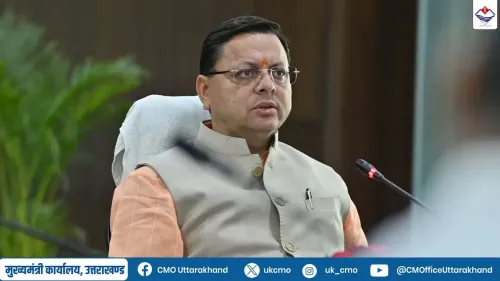
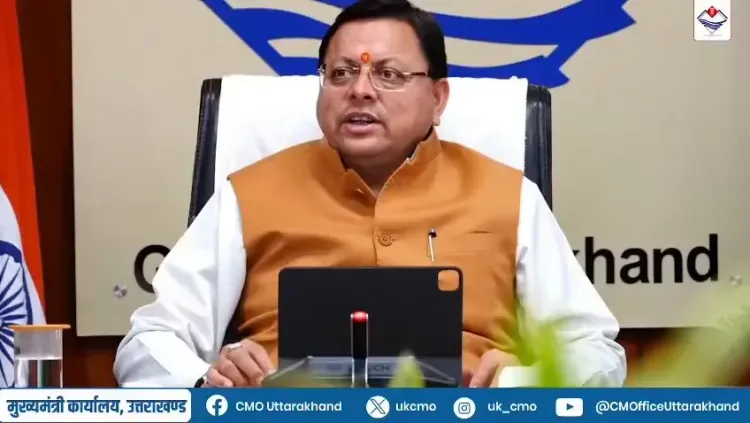
The Chief Minister's Office of Uttarakhand announced on Wednesday, 24 June 2026 that the state government has put in place a special food grain distribution arrangement ahead of the monsoon season, signalling proactive action to protect vulnerable households in the hill state from supply disruptions.
The official post, shared under the hashtags #MansoonRelief2026 and #FoodSecurity, stated: 'Monsoon season ko dekhte hue rajya sarkar ne ki khadyann vitaran ki vishesh vyavastha' — meaning, 'In view of the monsoon season, the state government has made a special arrangement for food grain distribution.'
Context
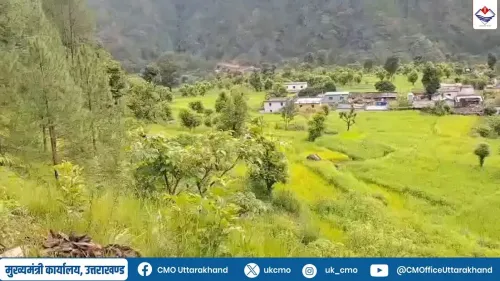
Uttarakhand's remote Himalayan districts are among the most vulnerable in India during the monsoon months, typically running from June through September. Heavy rainfall routinely triggers landslides and road blockades that sever supply lines to interior villages, leaving residents cut off from markets and fair-price shops for days or even weeks at a stretch.
The state government's move to activate a special distribution mechanism before the season peaks reflects a pattern of pre-emptive logistics planning that hill administrations have increasingly adopted in recent years.
Policy Backdrop
The arrangement draws on the framework of the National Food Security Act (NFSA), 2013, which legally entitles priority households to subsidised food grains — primarily wheat and rice — and explicitly mandates that governments make special provisions during natural calamities and supply emergencies.
India's Public Distribution System (PDS) serves as the operational backbone for such interventions, channelling subsidised stocks through a network of fair-price shops. During monsoon emergencies, state governments typically coordinate with the Food Corporation of India (FCI) to advance grain lifting by district administrations and open additional distribution points in cut-off areas.
Uttarakhand has historically faced particular logistical stress in districts such as Chamoli, Pithoragarh, Uttarkashi and Rudraprayag, where a single blocked road can isolate entire clusters of villages.
Stakeholders and Impact
The primary beneficiaries of the arrangement are priority households enrolled under the NFSA — typically the economically weaker sections — who depend on PDS rations as a significant share of their monthly food intake. In hilly and tribal belts, this dependence is sharper than in plains districts.
Beyond individual households, the move is significant for district administrations across Dehradun and the wider state, which are responsible for on-ground implementation. Advance stock positioning reduces the risk of last-minute scrambles when roads are washed out.
What's Next
Observers will watch for official government orders detailing the number of additional fair-price shops to be activated, the quantum of advance grain lifting sanctioned for each district, and any specific coordination protocols established with the FCI. The scale and reach of the arrangement will determine how effectively the state can insulate its most remote communities from monsoon-driven food insecurity.
With the monsoon already active across Uttarakhand, the pace of implementation will be critical — and the government's follow-through on this announcement will be closely tracked by welfare advocates and district officials alike.
Point of View
The administration is signalling institutional readiness — but the credibility of the move will rest entirely on verifiable follow-through: advance stock positions, additional fair-price shops, and district-level orders. Politically, such welfare announcements ahead of a challenging monsoon season serve a dual function — genuine public service and visible governance. The real test will be whether the arrangement reaches the most geographically isolated households, who historically fall through the cracks of even well-intentioned distribution drives.
NationPress
22 Sept 2026
Frequently Asked Questions
Why has Uttarakhand made a special food grain arrangement for the monsoon?
The Uttarakhand government has activated a special food grain distribution arrangement because heavy monsoon rains routinely trigger landslides and road blockades that cut off remote Himalayan villages from regular supply chains, threatening food access for priority households.
Who benefits from Uttarakhand's monsoon food distribution scheme?
Priority households enrolled under the National Food Security Act, 2013 — primarily economically weaker sections — are the main beneficiaries, particularly those in remote hill districts such as Chamoli, Pithoragarh, Uttarkashi and Rudraprayag.
What is the Public Distribution System (PDS) and how does it work during monsoon?
The PDS is India's nationwide network of fair-price shops that distributes subsidised wheat, rice and coarse grains to entitled households. During the monsoon, state governments pre-position stocks and may open additional shops to serve areas cut off by landslides.
Does the National Food Security Act cover monsoon emergencies?
Yes. The National Food Security Act, 2013 legally entitles priority households to subsidised food grains and mandates that governments make special distribution arrangements during natural calamities and supply emergencies.
What details about the Uttarakhand monsoon food arrangement are still awaited?
Official orders specifying the number of additional fair-price shops, the quantum of advance grain lifting per district, beneficiary counts and the duration of the special arrangement have not yet been publicly released.