Centre clears MSP procurement of sunflower, moong, soybean in Karnataka for Kharif 2026-27
Synopsis
The Centre has approved over 1.67 lakh MT of MSP-backed procurement for Karnataka's Kharif 2026-27 sunflower, moong, and soybean farmers — a critical price safety net ahead of harvest. On the same day, Union Minister Kumaraswamy also launched the MHI Industry Accelerator Impact Report, spotlighting ₹35.72 crore disbursed to advance 10 indigenous mobility technologies from prototype to commercial readiness.
Key Takeaways
The Centre approved Price Support Scheme (PSS) procurement for Karnataka under Kharif 2026-27 on 30 September .
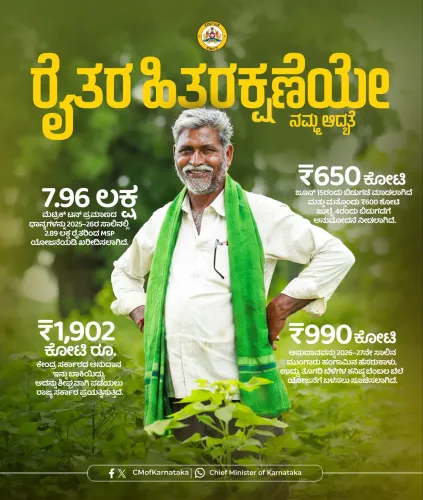
Approved volumes: 13,413 MT of sunflower, 38,250 MT of moong, and 1,15,500 MT of soybean.
Procurement will be at the Minimum Support Price (MSP) , protecting farmers from distress selling.
Kumaraswamy thanked PM Narendra Modi and Agriculture Minister Shivraj Singh Chouhan for the approval.
Kumaraswamy also launched the MHI Industry Accelerator Impact Report at Navigyaan 2026 , covering ₹35.72 crore in grants for 10 indigenous technologies .
The broader capital goods competitiveness scheme has a ₹1,207 crore outlay with 33 projects approved.
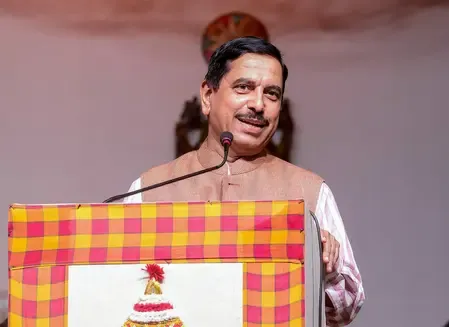
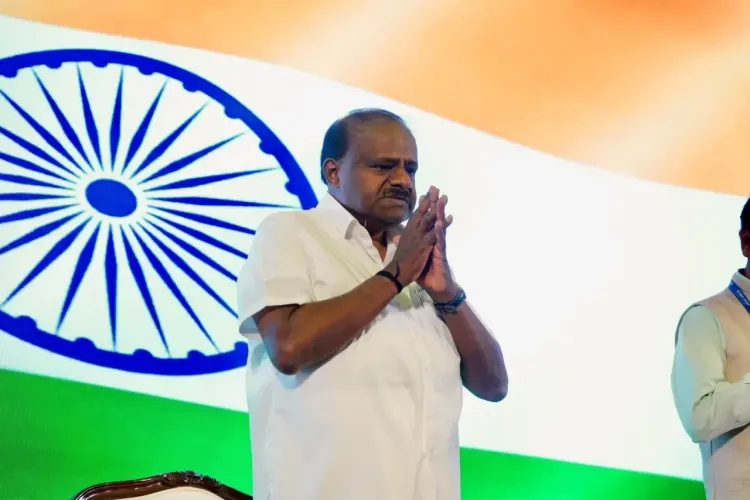
The Centre has approved the procurement of sunflower, moong, and soybean under the Price Support Scheme (PSS) for the Kharif 2026-27 season in Karnataka, Union Minister for Heavy Industries and Steel H.D. Kumaraswamy announced on Wednesday, 30 September. The approval is set to benefit thousands of Karnataka farmers by guaranteeing procurement at the Minimum Support Price (MSP), providing a critical price floor against market volatility.
Approved Procurement Volumes
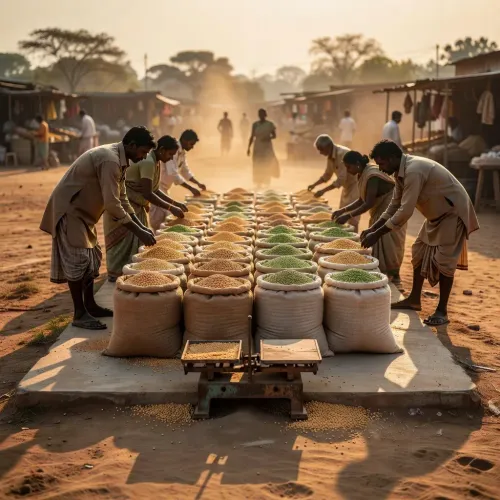
According to Kumaraswamy's statement, the Centre has sanctioned the procurement of 13,413 metric tonnes (MT) of sunflower, 38,250 MT of moong, and 1,15,500 MT of soybean from Karnataka farmers under the PSS. The scheme is designed to shield farmers from distress selling when market prices fall below the government-fixed MSP.
Kumaraswamy credited Prime Minister Narendra Modi and Union Agriculture and Farmers' Welfare Minister Shivraj Singh Chouhan for what he described as a 'responsive and farmer-centric approach' towards Karnataka's agricultural community. The approvals are expected to translate into direct income support for growers of the three Kharif crops across the state.
Why This Matters for Karnataka Farmers
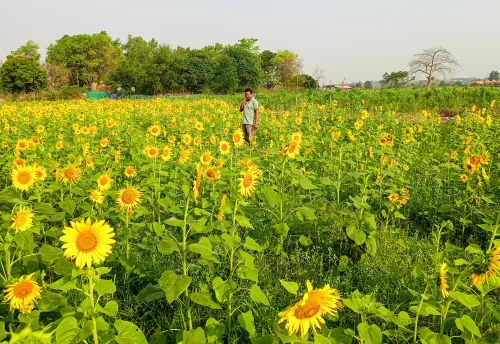
Karnataka is among India's significant producers of oilseeds and pulses, and Kharif crops such as soybean and sunflower are particularly vulnerable to price crashes at harvest time. PSS procurement acts as a guaranteed buyer of last resort, ensuring farmers are not forced to accept below-MSP rates from private traders. This is the second consecutive Kharif season in which Karnataka has secured PSS coverage for all three of these crops, according to available records.
Notably, the combined approved volume of over 1.67 lakh MT across the three crops represents a substantial commitment. The timely approval — ahead of the peak Kharif harvest — gives farmers greater certainty before they bring produce to market.
Kumaraswamy Launches MHI Industry Accelerator Impact Report
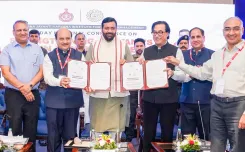
Separately, on the same day, Kumaraswamy unveiled and digitally launched the Impact Report of the Ministry of Heavy Industries (MHI) Industry Accelerator Project at Navigyaan 2026 in New Delhi. The event marked the conclusion of the accelerator programme, which supported indigenous technology development in India's mobility and manufacturing sectors.
The minister highlighted that the broader Scheme for Enhancement of Competitiveness in the Indian Capital Goods Sector — Phase II carries a total financial outlay of ₹1,207 crore and has approved 33 projects aimed at building common technology development and services infrastructure.
The MHI Industry Accelerator Programme, one component of this initiative, disbursed ₹35.72 crore in Grant-in-Aid to support 10 technologies, advancing them from Technology Readiness Level 3 to Level 9. The technologies span electric powertrains, high-voltage motor control, and energy storage — areas central to India's future mobility ambitions.
Atmanirbhar Bharat and Viksit Bharat Vision
Addressing the gathering at Navigyaan 2026, Kumaraswamy underscored the government's emphasis on domestic technological and manufacturing capability. 'The vision of Atmanirbhar Bharat calls for an India that is not only a large market for advanced technologies, but also a country that develops, manufactures and exports those,' he said.
He also stressed the importance of collaboration across government, industry, research institutions, academia, and startups, and specifically highlighted the role of institutions such as the Automotive Research Association of India (ARAI) in bridging the gap between technology development, validation, and industry adoption. As India moves towards Viksit Bharat@2047, Kumaraswamy said the focus must remain on developing domestic capabilities and taking Indian technologies to international markets.
What Comes Next
With the PSS procurement approval now in place, state agencies in Karnataka are expected to begin operationalising procurement centres ahead of the Kharif harvest window. Industry bodies and technology partners involved in the MHI accelerator programme will now look to scale the 10 supported technologies toward commercial deployment, with ARAI and allied institutions playing a key validation role.
Point of View
A state where agrarian distress has repeatedly shaped electoral outcomes — and where the BJP-JD(S) alliance has a direct stake in farmer goodwill. Kumaraswamy's prompt public acknowledgement of Modi and Chouhan signals that the Centre's agricultural outreach is being consciously positioned as a coalition dividend. The more substantive question is whether procurement infrastructure on the ground — mandis, storage, transport — is ready to absorb all 1.67 lakh MT before post-harvest prices collapse, which has historically been the gap between MSP approval and actual farmer benefit. The MHI accelerator story, meanwhile, deserves closer scrutiny: moving 10 technologies from readiness level 3 to level 9 in a single programme cycle would be a genuine milestone for Indian mobility manufacturing, but independent verification of commercial viability claims is still awaited.
NationPress
30 Sept 2026
Frequently Asked Questions
What is the Price Support Scheme (PSS) approval for Karnataka in Kharif 2026-27?
The Centre has approved procurement of sunflower, moong, and soybean from Karnataka farmers under the Price Support Scheme for the Kharif 2026-27 season. The scheme ensures farmers can sell their produce at the government-fixed Minimum Support Price, acting as a guaranteed buyer when open-market prices fall below MSP.
How much produce will be procured from Karnataka under the PSS?
The approved procurement volumes are 13,413 MT of sunflower, 38,250 MT of moong, and 1,15,500 MT of soybean — a combined total of over 1.67 lakh MT from Karnataka farmers in the Kharif 2026-27 season.
Who announced the Centre's approval and who did he credit?
Union Minister for Heavy Industries and Steel H.D. Kumaraswamy announced the approval on 30 September. He thanked Prime Minister Narendra Modi and Union Agriculture and Farmers' Welfare Minister Shivraj Singh Chouhan for their 'responsive and farmer-centric approach.'
What is the MHI Industry Accelerator Project launched at Navigyaan 2026?
The MHI Industry Accelerator Project is an initiative under the Ministry of Heavy Industries that provided ₹35.72 crore in Grant-in-Aid to support 10 indigenous technologies, advancing them from Technology Readiness Level 3 to Level 9. The technologies cover electric powertrains, high-voltage motor control, and energy storage for India's mobility sector.
What is the total outlay of the capital goods competitiveness scheme under which the accelerator operates?
The Scheme for Enhancement of Competitiveness in the Indian Capital Goods Sector — Phase II has a total financial outlay of ₹1,207 crore and has approved 33 projects to build common technology development and services infrastructure across India's manufacturing sector.