Clean Delhi roadmap: Centre holds sanitation workshop with MCD, NDMC, DDA
Synopsis
The Centre brought MCD, NDMC, DDA and frontline sanitation workers into the same room on 31 October to build a shared cleanliness plan for Delhi — a city that has struggled with visible sanitation gaps despite years of investment. The workshop's focus on bin-less waste collection, Garbage Vulnerable Points, and public toilet upkeep signals a more ground-up, coordinated push under Swachh Bharat Mission-Urban.
Key Takeaways
Union Capital Development Secretary D.
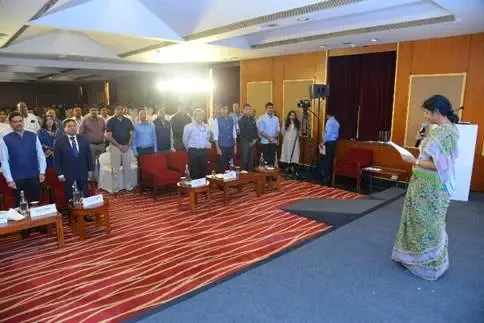
Thara chaired the workshop on 31 October in New Delhi .
Officials from MCD , NDMC , DDA , and MoHUA participated alongside frontline sanitation inspectors and supervisors.
The session was organised under the Department of Capital Development in collaboration with Swachh Bharat Mission-Urban .
Deliberations covered 10 critical questions on sanitation, including Garbage Vulnerable Points , bin-less waste collection, public toilet upkeep, and citizen grievance redressal.
No specific timelines or funding announcements were made; the roadmap is expected to guide ward- and zone-level implementation.
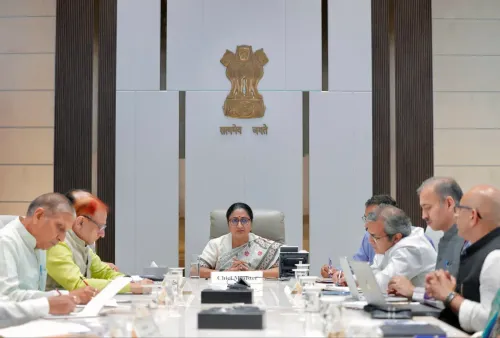
Union Capital Development Secretary D. Thara on Saturday, 31 October convened a high-level workshop in New Delhi to chart a shared roadmap for a cleaner national capital, bringing together sanitation inspectors, supervisors, and urban local body officials from the New Delhi Municipal Council (NDMC), Municipal Corporation of Delhi (MCD), Delhi Development Authority (DDA), and the Ministry of Housing and Urban Affairs (MoHUA). The session, organised under the Department of Capital Development in collaboration with Swachh Bharat Mission-Urban, aimed at collectively identifying practical, ground-level solutions for making Delhi cleaner, healthier, and more liveable.
What the Workshop Covered
Titled 'Planning a Shared Roadmap for Clean Delhi', the workshop structured its deliberations around 10 critical questions targeting the most persistent urban sanitation challenges facing the capital. Key themes included why Delhi continues to struggle with visible cleanliness despite significant investments, strategies for transitioning to a bin-less city through more efficient door-to-door waste collection, and addressing recurring Garbage Vulnerable Points (GVPs).
Participants also examined measures to prevent waste from entering water bodies, ensuring that public toilets remain clean, safe, and functional throughout the day, and improving citizen grievance redressal systems. Best practices were shared alongside photographs and documented incidents requiring targeted interventions, according to an official statement.
What the Secretary Said
Secretary Thara congratulated sanitation inspectors and supervisors for their commitment to improving cleanliness standards across Delhi. Addressing the workforce directly, she underscored the preventive public health role of sanitation staff.
'The most vital part of any municipality is its sanitation workforce — the Sanitation Inspectors and staff. While a doctor provides medicine after diagnosis, we are the team that works before the doctor. By ensuring cleanliness and sanitation for all, we prevent disease,' she said.
She added: 'We are the true givers of health to society, as our Swachhata (cleanliness) work reduces illness and enables citizens to lead a healthier, higher quality of life.'
Why This Matters for Delhi
Delhi's sanitation challenge is long-standing and multi-agency in nature, with jurisdictional overlaps between MCD, NDMC, and DDA historically complicating coordinated action. This workshop marks a structured attempt to align these bodies under a single roadmap — a step that urban governance experts have repeatedly flagged as essential. Notably, the inclusion of frontline sanitation workers in the planning process, rather than limiting it to administrative officials, signals a shift toward ground-up policymaking.
The Swachh Bharat Mission-Urban, now in its second phase, has placed increased emphasis on source segregation, waste-to-energy, and citizen participation — all themes that reportedly featured in Saturday's deliberations.
What Comes Next
While no specific timelines or funding commitments were announced at the workshop, the collective roadmap developed through the session is expected to feed into Delhi's broader urban sanitation planning under MoHUA. Stakeholders from all participating bodies are likely to be tasked with implementing the identified solutions at the ward and zone level. The outcome of such multi-agency consultations will be closely watched given Delhi's historically uneven sanitation record.
Point of View
With limited follow-through. The real test is whether Saturday's 10-question deliberation produces binding ward-level targets with accountability mechanisms, or remains an aspirational document. The inclusion of frontline sanitation staff is a positive structural signal, but the absence of announced timelines or funding commitments leaves the roadmap's teeth unclear. With Swachh Bharat Mission-Urban entering a more results-oriented phase, MoHUA will need to demonstrate that multi-agency alignment translates into measurable cleanliness outcomes — not just well-attended workshops.
NationPress
31 Oct 2026
Frequently Asked Questions
What was the Clean Delhi workshop held on 31 October about?
The workshop, titled 'Planning a Shared Roadmap for Clean Delhi', brought together officials from MCD, NDMC, DDA, and MoHUA alongside frontline sanitation workers to identify practical solutions for improving cleanliness in the national capital. It was organised by the Department of Capital Development in collaboration with Swachh Bharat Mission-Urban.
Who led the Clean Delhi sanitation workshop?
Union Capital Development Secretary D. Thara led the workshop on 31 October, chairing discussions with sanitation inspectors, supervisors, and urban local body representatives from across Delhi's civic agencies.
What key issues did the Delhi sanitation workshop address?
The workshop deliberated on 10 critical questions covering recurring Garbage Vulnerable Points, transitioning to a bin-less city through door-to-door waste collection, keeping public toilets functional, preventing waste from entering water bodies, and improving citizen grievance redressal systems.
Which agencies participated in the Clean Delhi roadmap workshop?
The New Delhi Municipal Council (NDMC), Municipal Corporation of Delhi (MCD), Delhi Development Authority (DDA), and the Ministry of Housing and Urban Affairs (MoHUA) were all represented, along with frontline sanitation inspectors and supervisors.
What happens after the Clean Delhi workshop?
No specific timelines or funding commitments were announced at the workshop. The shared roadmap developed during the session is expected to guide sanitation planning at the ward and zone level under MoHUA's broader urban cleanliness framework.