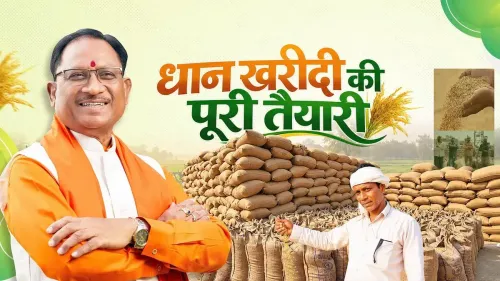
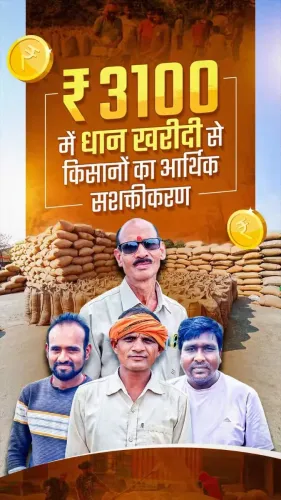
CG Cabinet: Paddy Buy at ₹3,100/Quintal from Nov 15
Synopsis
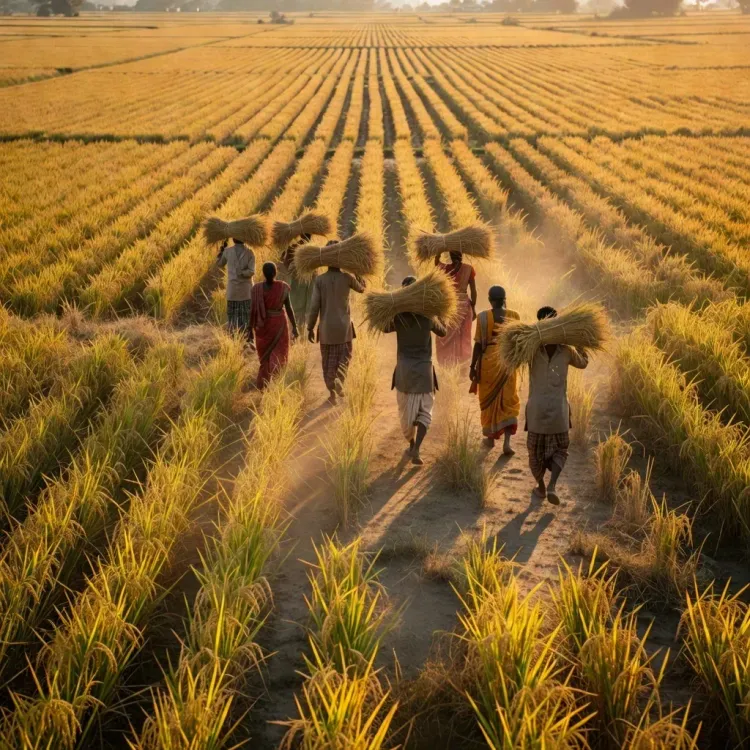
Chhattisgarh's cabinet has approved paddy procurement at ₹3,100 per quintal from 15 November 2026, covering 27.50 lakh-plus farmers through 3,100 centres, AgriStack-based auto-eligibility, biometric authentication, and digital crop surveys — the most digitally integrated procurement cycle the state has attempted.
Key Takeaways
₹3,100 per quintal is the fixed procurement rate for kharif 2026-27, with a cap of 21 quintals per acre .
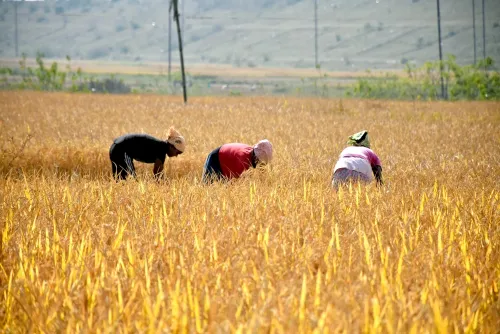
Procurement opens 15 November 2026 for more than 27.50 lakh farmers across Chhattisgarh.
Farmers with an AgriStack ID from last year need no fresh registration and need not bring loan-passbooks to societies.
Biometric authentication at point of sale will be mandatory to ensure only genuine cultivators are paid.
360 new procurement centres expand the network to a total of 3,100 centres statewide this season.
The cabinet ratified an auction-based resolution for surplus paddy stocks from 2024-25 and 2025-26 to clear storage before the new cycle.
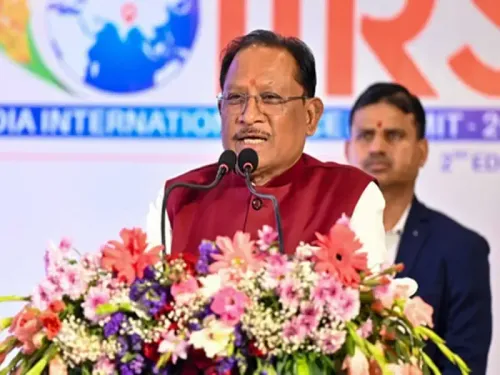
More than 27.50 lakh farmers in Chhattisgarh will be able to sell paddy to the government from 15 November 2026 at a rate of ₹3,100 per quintal — a decision taken at a cabinet meeting chaired by Chief Minister Vishnu Deo Sai on Tuesday, 27 October 2026. The Chief Minister's Office of Chhattisgarh announced the decisions via its official X account, listing sweeping changes to how the state buys, verifies, and processes paddy this kharif season.
₹3,100 a quintal, 21 quintals per acre — the numbers that matter
The cabinet fixed the procurement rate at ₹3,100 per quintal, with a ceiling of 21 quintals per acre. That ceiling is a supply-management tool: it keeps procurement costs bounded while ensuring the bulk of smallholder output is covered. Chhattisgarh has a long tradition of setting state procurement rates above the central Minimum Support Price, and this season's figure continues that pattern — a direct income-support signal to the state's farming communities ahead of the harvest rush.
AgriStack does the heavy lifting — no fresh registration required
The most consequential reform in Tuesday's cabinet package is the integration of AgriStack, the national digital farmer-identity platform, into procurement eligibility. Farmers who registered last year and hold an AgriStack ID will be recognised automatically — no separate re-registration, no physical presentation of loan-passbooks at cooperative societies. The state says a digital crop survey will determine paddy acreage online, replacing manual paperwork that has historically been a point of leakage and friction.
AgriStack, built as a federated national registry linking land records, crop data, and financial identities, is designed precisely for moments like this: turning a cumbersome seasonal enrolment exercise into a background database query. Chhattisgarh's adoption signals a step toward the kind of frictionless, verifiable procurement that farm-policy reformers have argued for years would reduce ghost-beneficiary leakage.
Biometric gates and 360 new procurement centres
To plug the remaining gap between digital records and physical delivery, the cabinet mandated biometric-based paddy procurement — a farmer must authenticate identity at the point of sale. The system is designed to ensure that only verified, genuine cultivators receive payment, not intermediaries or ghost registrations.
On the infrastructure side, 360 new procurement centres are being added, bringing the statewide total to 3,100 centres for this season. That expansion directly addresses last year's complaints about congestion and long queues at society-level collection points, and signals that the state is betting on scale — more centres, not just smarter ones — to absorb the volume from 27.50 lakh-plus farmers.
Clearing the backlog: surplus stocks from 2024-25 and 2025-26
The cabinet also ratified a decision of a ministerial sub-committee to resolve excess paddy stocks from the kharif marketing years 2024-25 and 2025-26 through auction. Carrying over unprocessed surplus from two consecutive years creates storage costs and crowding risks for the incoming crop — the auction route is the state's mechanism to clear the pipeline before the November procurement cycle begins. The ratification signals political consensus around a commercially sensitive but operationally necessary move.
With biometric verification, AgriStack integration, a higher network of centres, and a competitive per-quintal rate locked in, Chhattisgarh's paddy procurement machine is set to go live in under three weeks. Whether 3,100 centres and a digital backbone can translate a bold cabinet decision into smooth, queue-free procurement for millions of farmers is the question the harvest season will answer.
Point of View
Setting a ₹3,100 per quintal rate sustains the political contract with the farming vote bank that has defined Chhattisgarh elections. The 360-centre expansion, however, reflects a more substantive recognition that digital efficiency alone is insufficient without last-mile physical infrastructure. The ratification of the surplus-stock auction also suggests the administration is trying to run a tighter balance sheet entering year two of the procurement cycle, which will matter if central reimbursement timelines remain slow.
NationPress
27 Oct 2026
Frequently Asked Questions
When will paddy procurement start in Chhattisgarh in 2026?
Paddy procurement in Chhattisgarh for kharif marketing year 2026-27 will begin on 15 November 2026 , as decided in the cabinet meeting chaired by Chief Minister Vishnu Deo Sai on 27 October 2026.
What is the paddy procurement rate in Chhattisgarh for 2026-27?
The Chhattisgarh government has fixed the paddy procurement rate at ₹3,100 per quintal for kharif 2026-27, with a maximum limit of 21 quintals per acre .
Do farmers in Chhattisgarh need to register again for paddy sale in 2026?
No. Farmers who are already registered in the AgriStack system from the previous year will be automatically eligible — no separate re-registration or physical loan-passbook submission is required.
What is AgriStack and how does it help Chhattisgarh farmers?
AgriStack is a national digital platform that links a farmer's identity with land records and crop data. In Chhattisgarh's 2026-27 procurement, it eliminates repeat paperwork by letting the system verify eligibility directly from existing registrations.
How many paddy procurement centres will operate in Chhattisgarh in 2026-27?
A total of 3,100 procurement centres will operate this season, after the government added 360 new centres to the existing network to reduce congestion and improve farmer access.