Chhattisgarh Cabinet Approves ₹3,100/Quintal Paddy Rate for Kharif 2026
Synopsis
Chhattisgarh's cabinet has approved a ₹3,100 per quintal paddy procurement rate for Kharif 2026 and restructured the Krishak Unnati Yojana to deliver input support on a per-acre rather than per-quintal basis, aiming to boost farmer income and encourage crop diversification.
Key Takeaways
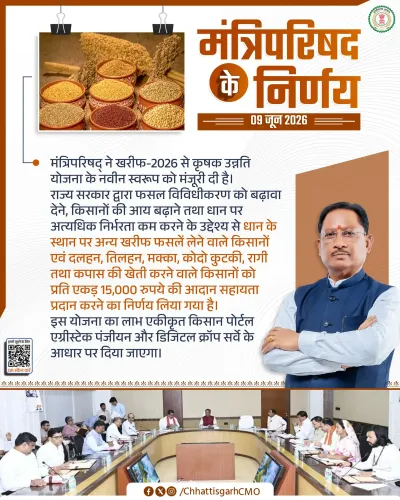
The Chhattisgarh cabinet approved amendments to the Krishak Unnati Yojana on 27 October 2026 .
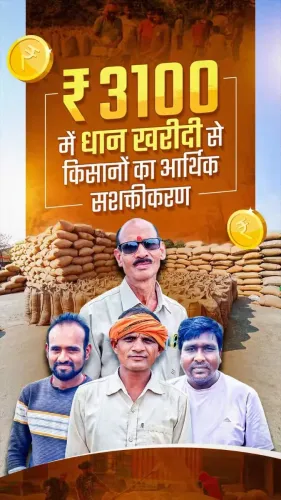
Paddy will be procured at ₹3,100 per quintal during the Kharif 2026 season.
Input assistance under the scheme will shift from a per-quintal to a per-acre basis, delinking support from paddy output volume.
The change is designed to promote crop diversification and raise farmers' socio-economic status.
The decision is expected to drive investment in improved seeds, fertilisers, mechanisation, and new agricultural technologies .
Operational guidelines from the Agriculture Development and Farmer Welfare and Biotechnology Department are still awaited ahead of procurement season.
A single cabinet decision in Raipur on Tuesday, 27 October 2026 could reshape the economics of paddy farming across one of India's largest rice-producing states. The Chief Minister's Office of Chhattisgarh announced that the state cabinet has approved a significant amendment to the Krishak Unnati Yojana — fixing the paddy procurement rate at ₹3,100 per quintal for Kharif 2026 and fundamentally restructuring how input assistance reaches farmers.
From Per-Quintal to Per-Acre: The Shift That Changes Everything
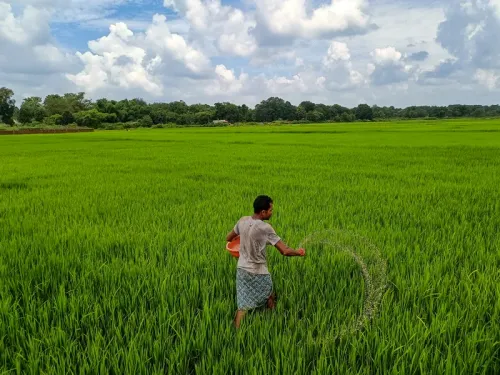
The headline number — ₹3,100 per quintal — will grab attention. But the quieter, more consequential change buried in the cabinet note may matter more in the long run. Under the amended Krishak Unnati Yojana, the aadat sahayata rashi (input assistance amount) will no longer be calculated per quintal of paddy produced. It will instead be disbursed on a per-acre basis.
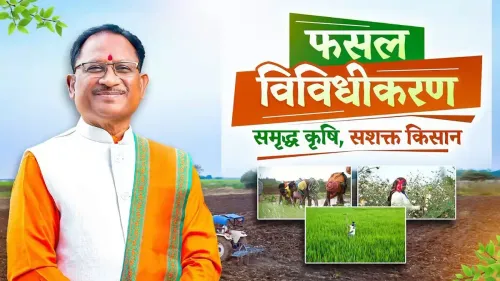
Why does that distinction matter? A per-quintal model directly rewards higher paddy yields — meaning the more rice a farmer grows, the more support money flows in. That logic, while well-intentioned, can quietly discourage farmers from diversifying into other crops. A per-acre model breaks that link. Every acre enrolled gets the same base support regardless of what — or how much — it produces, making a switch to pulses, oilseeds, or horticulture financially less risky.
Chief Minister Sai's Agricultural Calculus
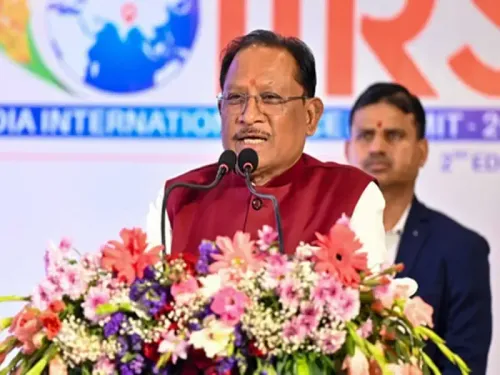
Chief Minister Vishnu Deo Sai, who has led Chhattisgarh since December 2023, has framed the amendment as a three-pronged bet: higher farmer income, stronger social-economic mobility, and accelerated uptake of modern inputs. The cabinet's stated intent includes spurring investment in improved seeds, fertilisers, pesticides, agricultural mechanisation, and new farming technologies — a list that signals the government wants the subsidy to function as a productivity catalyst, not just a price cushion.
Chhattisgarh has a long history of annual paddy procurement revisions, with successive state governments adjusting rates and support structures to stay competitive with neighbouring states and stay ahead of the central Minimum Support Price. The Krishak Unnati Yojana has been the vehicle for delivering that top-up support, and this amendment is its most structural overhaul in the current tenure.
What Paddy Farmers Can Expect Next
The decision announced Tuesday still needs to translate into operational guidelines from the Agriculture Development and Farmer Welfare and Biotechnology Department, which put forward the original proposal. The amended scheme parameters must be notified before procurement windows open for the Kharif harvest cycle. Farmers and procurement agencies alike will be watching for the per-acre input assistance quantum — a number the cabinet announcement did not specify — since that figure will determine the real financial gain on the ground.
For a state where paddy cultivation is both an economic lifeline and a cultural identity, the shift from per-quintal to per-acre support is a quiet but pointed signal: Chhattisgarh's farm policy is no longer betting everything on volume alone.
Point of View
The decision serves a dual purpose: it delivers a visible pre-harvest announcement that farmers will welcome, while also advancing a longer-term agrarian diversification agenda. The per-acre model has gained traction in several states as a tool to reduce monoculture risk and water stress in paddy-heavy districts. Whether Chhattisgarh's farmers actually diversify will depend entirely on the per-acre quantum set in operational guidelines — the cabinet announcement's most telling omission.
NationPress
27 Oct 2026
Frequently Asked Questions
What is the paddy procurement rate in Chhattisgarh for Kharif 2026?
The Chhattisgarh cabinet has fixed paddy procurement at ₹3,100 per quintal for the Kharif 2026 season under the Krishak Unnati Yojana amendment approved on 27 October 2026.
What is the Krishak Unnati Yojana in Chhattisgarh?
Krishak Unnati Yojana is a Chhattisgarh state scheme that provides input assistance to paddy farmers. The scheme has now been amended to disburse support on a per-acre basis instead of the earlier per-quintal basis.
Why is Chhattisgarh shifting input support from per-quintal to per-acre?
The per-acre model decouples financial support from how much paddy a farmer produces, making it less risky for farmers to diversify into other crops. The state government says this will encourage crop diversification, raise income, and boost investment in modern agricultural inputs.
Who announced the Krishak Unnati Yojana amendment for 2026?
The amendment was announced by the Chief Minister's Office of Chhattisgarh following a cabinet decision under Chief Minister Vishnu Deo Sai on 27 October 2026.
When will the new Krishak Unnati Yojana rules be implemented?
Operational guidelines are yet to be issued by the Agriculture Development and Farmer Welfare and Biotechnology Department. The amended scheme is intended for implementation before the Kharif 2026 paddy procurement season opens.