Chandipura virus kills two children in Panchmahal, Gujarat steps up response

Synopsis
Two children are dead and Gujarat is on alert after Chandipura virus was laboratory-confirmed in Panchmahal's Godhra taluka. Sand flies found in mud-house cracks are the suspected vector. With medical teams deployed and door-to-door surveys underway, the state is racing to contain a virus that has historically struck children fast and hard in rural India.
Key Takeaways
Two children from Vinzol and Jitpura villages in Godhra taluka, Panchmahal died after laboratory-confirmed Chandipura virus infection.
Sand flies — the virus's primary vector — were detected in cracks in mud houses in the affected villages.
Specialised teams from Godhra Medical College and Vadodara Medical College have been deployed; intensive house-to-house surveys are under way.
Health Minister Praful Pansheriya confirmed no cases have been reported outside the two affected villages as of 7 July .
Authorities have stocked all health centres with essential medicines and insecticidal powder; precautionary surveys completed in districts affected during the 2024 outbreak.
Parents are urged to watch for fever, vomiting, convulsions, or unconsciousness in children and seek immediate care.
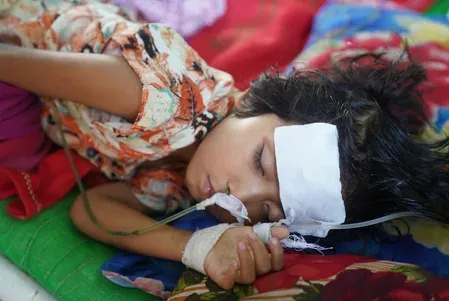
Two children from villages in Godhra taluka, Panchmahal district, Gujarat, have died after laboratory tests confirmed Chandipura virus infection, the state government announced on Tuesday, 7 July. The deaths, reported from Vinzol and Jitpura villages, have triggered an intensified public health response including specialised medical teams, door-to-door surveys, and widespread insecticide spraying.
What Happened
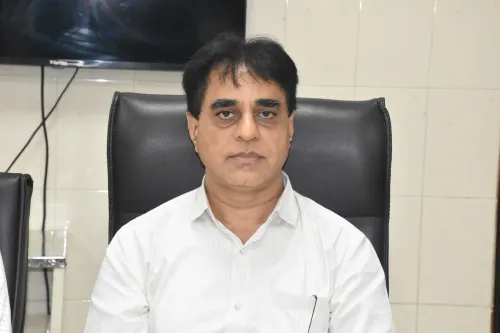
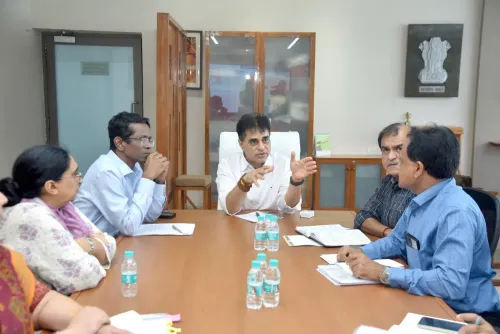
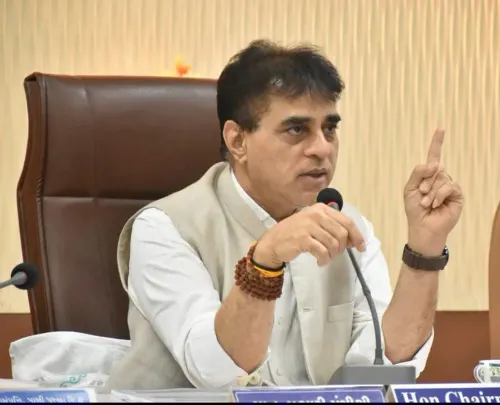
Laboratory confirmation of the two fatalities prompted Gujarat Health Minister Praful Pansheriya to convene a review meeting with senior Health Department officials in Gandhinagar. The minister described the deaths as 'a deeply tragic incident' and said the department had treated the matter with the utmost seriousness.
Investigations in the affected villages identified the presence of sand flies — the insect vector associated with Chandipura virus transmission. Sand flies are commonly found in cracks in mud houses, and authorities have begun intensive insecticide spraying in all nearby homes and across the two villages.
Containment Measures Deployed
Two specialised medical teams — drawn from Godhra Medical College and Vadodara Medical College — have been deployed to the affected villages. Health teams from Godhra taluka are simultaneously conducting intensive house-to-house surveys and medical screening of residents.
The minister confirmed that precautionary surveys have also been completed in all districts and villages where Chandipura virus cases were reported during 2024. 'Adequate stocks of essential medicines and insecticidal powder had been supplied to all health centres,' Pansheriya stated.
Symptoms to Watch and Public Advisory
Health authorities are urging parents to seek immediate medical attention if children develop symptoms including fever, vomiting, convulsions, or unconsciousness. The minister appealed to families to remain vigilant while stressing that no cases have been reported outside the two affected villages so far.
'There is absolutely no need for the public to panic. However, by taking simple precautions, we can prevent the disease from spreading. People should seal cracks in mud houses, maintain cleanliness around their homes and ensure that children are protected from mosquito or fly bites,' Pansheriya said.
Background: Chandipura Virus in Gujarat
Chandipura virus, a member of the Rhabdoviridae family, has historically been associated with sporadic outbreaks in rural India, particularly affecting children under 15. It spreads primarily through the bite of Phlebotomus sand flies and can progress rapidly to encephalitis. Gujarat recorded cases in 2024 as well, and the current response draws on protocols developed during that outbreak. Notably, the virus tends to cluster in areas with mud-walled housing, where sand flies find ideal breeding conditions in wall crevices.
Officials Present at the Review
The Gandhinagar review meeting was attended by Rural Health Commissioner Ratankunvar Gadhvi Charan, Additional Director of Public Health Dr Neelam Patel, and other senior Health Department officials. The state government said all measures are being implemented under the direct guidance of the Chief Minister.
With containment operations now active in Panchmahal, health authorities will continue monitoring for any spread beyond the two confirmed villages in the days ahead.
Point of View
But the recurrence of Chandipura cases — after a documented 2024 outbreak in the same state — raises a structural question: why do sand-fly breeding conditions in mud-house villages persist year after year without lasting remediation? Insecticide spraying and medical teams are the right immediate response, but they address symptoms, not the housing and sanitation gaps that make rural communities repeatedly vulnerable. The fact that this virus disproportionately kills children, and that its vector thrives specifically in poverty-linked housing, means the public health conversation cannot stop at containment — it must extend to durable rural infrastructure. Gujarat's response speed is a credit; its prevention architecture is the harder test.
NationPress
6 Oct 2026
Frequently Asked Questions
What is the Chandipura virus and how does it spread?
Chandipura virus is a rare but dangerous pathogen belonging to the Rhabdoviridae family that primarily affects children and can cause rapid-onset encephalitis. It spreads mainly through the bite of Phlebotomus sand flies , which breed in cracks and crevices of mud-walled houses in rural areas.
Which villages in Gujarat reported Chandipura virus deaths?
The two confirmed deaths were from Vinzol and Jitpura villages in Godhra taluka of Panchmahal district , Gujarat. As of 7 July , no cases have been reported outside these two villages, according to Health Minister Praful Pansheriya.
What symptoms should parents watch for in children?
Parents should seek immediate medical attention if children develop fever, vomiting, convulsions, or unconsciousness — the key warning signs of Chandipura virus infection flagged by Gujarat health authorities. Early medical intervention is critical given how rapidly the disease can progress.
What containment steps has the Gujarat government taken?
The government has deployed specialised teams from Godhra Medical College and Vadodara Medical College, launched door-to-door health surveys, conducted intensive insecticide spraying in affected villages, and stocked all health centres with essential medicines. Precautionary surveys have also been carried out in districts that reported cases during the 2024 outbreak.
Has Chandipura virus appeared in Gujarat before?
Yes. Gujarat recorded Chandipura virus cases in 2024 as well, and the current containment protocols draw on the response framework developed during that outbreak. The recurrence underlines the need for sustained sand-fly control in rural areas with mud-house settlements.