Chhath Puja 2026: Kharna observed today as devotees begin 36-hour nirjala fast
Synopsis
On Kharna — Chhath Puja's second day — millions of vratis across India observe a daylong fast, cook jaggery kheer in earthen pots, and offer prayers to the Sun God before beginning a gruelling 36-hour fast without food or water. With Sandhya Arghya on 15 November and Usha Arghya on 16 November to follow, the festival is now at its most demanding and most sacred stretch.
Key Takeaways
Kharna (also called Lohanda) is observed on 14 November 2026 , the second day of the four-day Chhath Puja festival.
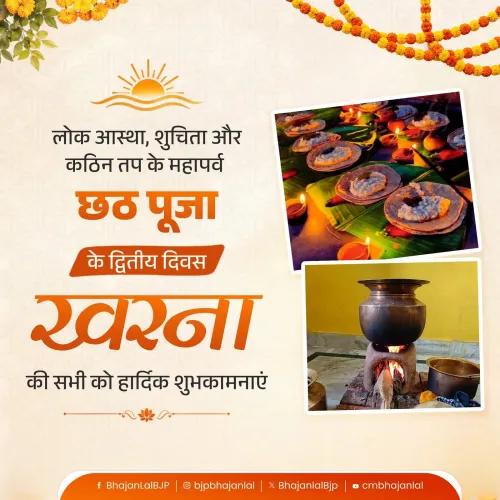
Devotees observe a full-day fast, then offer jaggery-based kheer and roti as prasad to the Sun God and Chhathi Maiya .
Jaggery is used instead of refined sugar, as it is considered a sattvic ingredient in Hindu tradition; kheer is cooked in a new earthen pot over a clay stove.
After consuming the prasad, vratis begin a 36-hour nirjala fast — with no food or water — until 16 November .
Sandhya Arghya (prayers to the setting Sun) follows on 15 November ; Usha Arghya (prayers to the rising Sun) and Parana (fast-breaking) are on 16 November .
Millions of devotees across Bihar, Jharkhand, Uttar Pradesh, and other parts of India are observing Kharna — also called Lohanda — on Saturday, 14 November, marking the second day of the four-day Chhath Puja festival. The day is defined by a strict day-long fast, ritual bathing, traditional food preparations, and evening prayers offered to the Sun God and Chhathi Maiya. At its close, devotees begin the most rigorous phase of the festival: a 36-hour nirjala vrat, during which they abstain from both food and water.
What Happens on Kharna
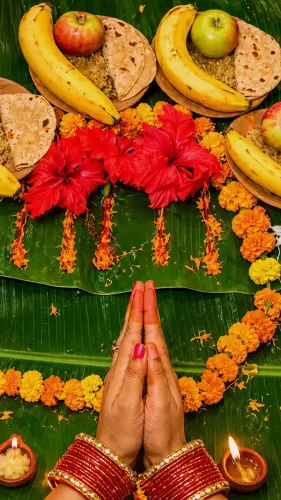
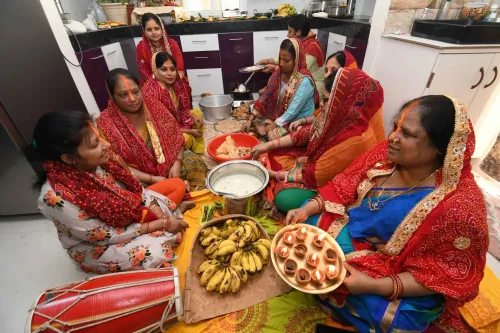
Devotees, referred to as vratis, observe a full-day fast and undertake a ritual bath before beginning the evening's preparations. The centrepiece of Kharna is the preparation of a special prasad — jaggery-based kheer made from newly harvested rice and roti — cooked with strict attention to cleanliness and religious purity. Fruits and other seasonal offerings also form part of the spread.
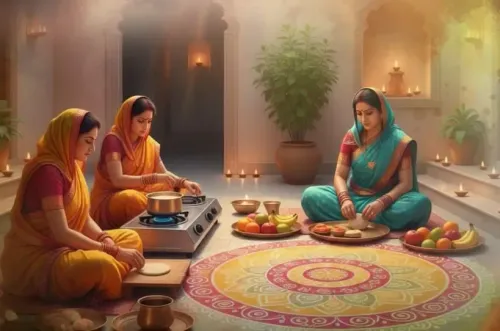
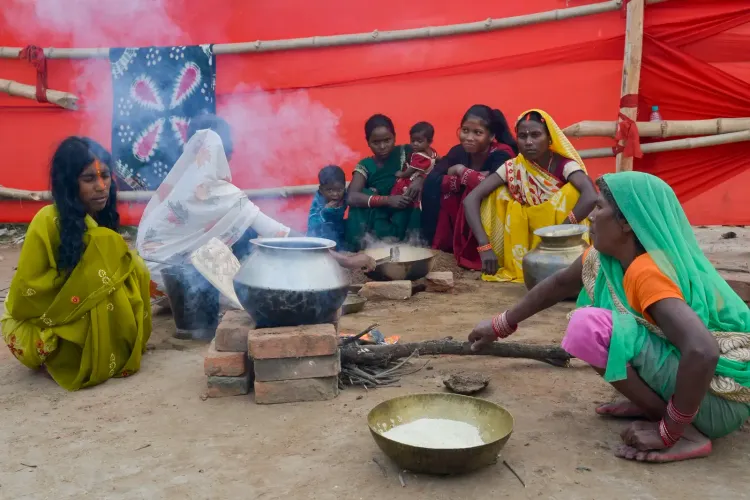
What sets this prasad apart is the deliberate use of jaggery instead of refined sugar. In traditional Hindu practice, jaggery is considered a sattvic — or spiritually pure — ingredient, prepared directly from sugarcane juice, and is preferred in religious offerings for its perceived naturalness. The kheer is traditionally cooked in a new earthen pot over a clay stove, underscoring the festival's deep-rooted connection with nature and time-honoured customs.
After the evening prayers, the prasad is first offered to the deities. Vratis then consume it and distribute the remainder among family members and neighbours — a gesture that extends the festival's blessings to the wider community.
The 36-Hour Nirjala Fast Begins
Once the Kharna meal is consumed, the most demanding phase of Chhath Puja commences. Vratis undertake a 36-hour nirjala fast — abstaining completely from food and water — until the final morning worship on the fourth and last day of the festival, 16 November. The fast is considered a profound act of devotion and endurance, undertaken primarily to seek blessings for the health, happiness, and prosperity of family members, with particular emphasis on the well-being of children.
Notably, this level of fasting — without water across a full day and two nights — is among the most demanding in mainstream Hindu observance, placing Chhath in a distinct category compared to other major fasts in the religious calendar.
Religious Significance of Kharna
Kharna is not merely a preparatory ritual — it carries independent religious weight. Devotees believe that preparing the prasad with natural, unprocessed ingredients while maintaining complete devotion and physical cleanliness pleases Chhathi Maiya and the Sun God, ensuring their blessings for the household. The ritual has been practised across generations with little deviation, and the insistence on jaggery, earthen cookware, and an open flame remains unchanged even in urban households that otherwise use modern kitchens.
What Comes Next: Sandhya Arghya and Usha Arghya
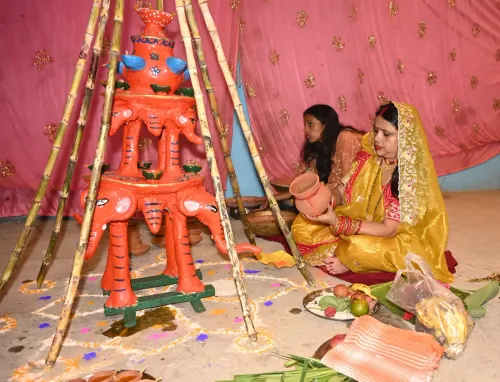
The four-day Chhath festival runs from 13 to 16 November 2026. On the third day — Sunday, 15 November — vratis will gather at riverbanks, ponds, and water bodies to perform Sandhya Arghya, offering prayers and prasad to the setting Sun. On the final day, Monday, 16 November, devotees will rise before dawn for Usha Arghya, offering prayers to the rising Sun. The festival concludes with Parana, the formal breaking of the 36-hour fast after the morning rituals are complete.
As Chhath reaches its most sacred days, ghats and water bodies across the country are expected to draw enormous crowds — a reflection of the festival's growing footprint well beyond its Bihar heartland.
Point of View
Mumbai, and diaspora communities worldwide reflects a broader reassertion of regional cultural identity in India's festival landscape — one that mainstream coverage still tends to frame narrowly as a 'Bihar festival.' The 36-hour nirjala fast is among the most physically demanding in any mainstream religious tradition, yet it receives a fraction of the health and wellness discourse that accompanies other major fasts. As urban vratis replicate centuries-old rituals — earthen pots, open flames, unprocessed jaggery — in apartment kitchens, the festival also quietly makes a case for traditional ecological practice that no policy brief has managed to mainstream.
NationPress
14 Nov 2026
Frequently Asked Questions
What is Kharna in Chhath Puja?
Kharna is the second day of the four-day Chhath Puja festival, observed with a strict day-long fast, ritual bathing, and the preparation of jaggery-based kheer and roti as prasad offered to the Sun God and Chhathi Maiya. It marks the start of the 36-hour nirjala vrat — a complete fast without food or water.
When is Kharna in 2026?
Kharna falls on Saturday, 14 November 2026. The four-day Chhath festival runs from 13 to 16 November this year, concluding with Usha Arghya and Parana on 16 November.
What is the nirjala vrat in Chhath Puja?
The nirjala vrat is a 36-hour fast observed by Chhath devotees (vratis) during which they abstain completely from both food and water. It begins after consuming the Kharna prasad on the second day and ends only after Usha Arghya — prayers to the rising Sun — on the fourth and final day.
Why is jaggery used in Kharna prasad instead of sugar?
Jaggery is considered a sattvic — spiritually pure and natural — ingredient in traditional Hindu practice, prepared directly from sugarcane juice without chemical processing. It is therefore preferred over refined sugar for religious offerings, including the kheer made on Kharna.
What are Sandhya Arghya and Usha Arghya in Chhath Puja?
Sandhya Arghya, on the third day (15 November), involves offering prayers and prasad to the setting Sun at riverbanks and water bodies. Usha Arghya, on the fourth day (16 November), is offered to the rising Sun before dawn, after which devotees perform Parana — the formal breaking of their 36-hour fast.