Chhattisgarh CMO: Bihan Yojana driving women's self-reliance
Synopsis
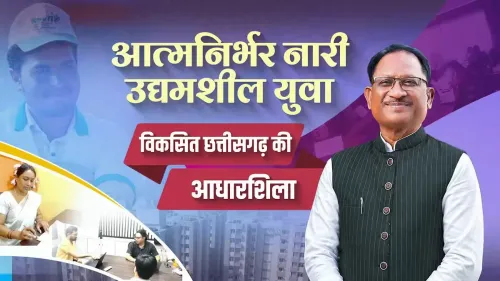
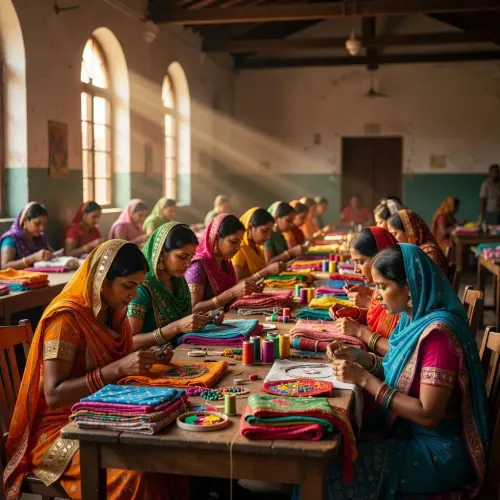
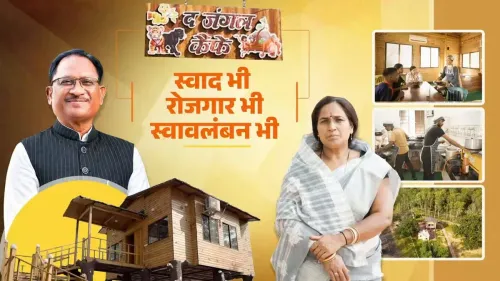
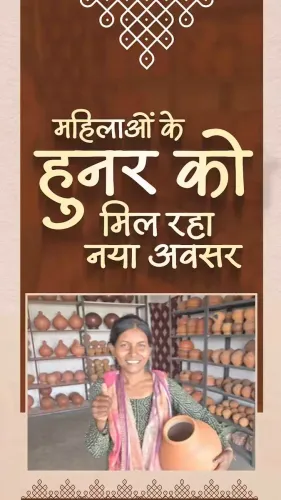
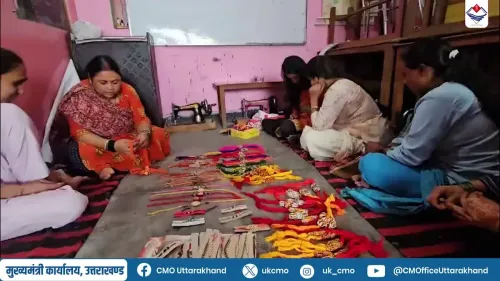
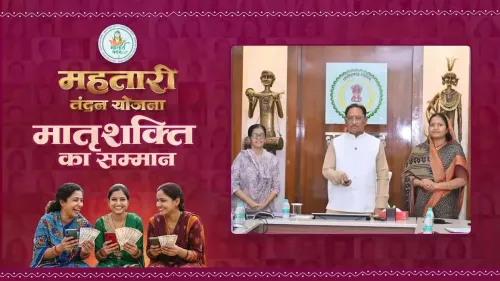
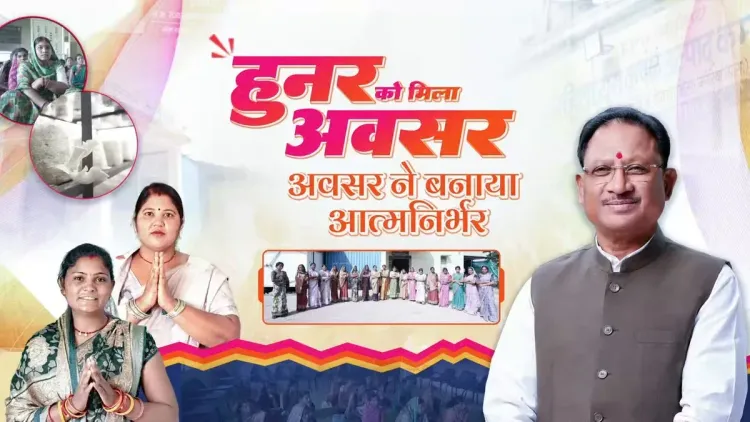
The Chief Minister's Office of Chhattisgarh said women are picking up new skills under Bihan Yojana and advancing toward self-reliance, tying the drive to CM Vishnu Dev Sai's pledge of empowered women and a prosperous state.
Key Takeaways
On 25 November 2026, the Chief Minister's Office of Chhattisgarh said women are learning new skills through Bihan Yojana and moving toward self-reliance.
The office summed up the pitch as skill building confidence and training building self-reliance, linking it to CM Vishnu Dev Sai's resolve.
Vishnu Dev Sai has been Chief Minister of Chhattisgarh since December 2023.
Bihan Yojana is a state skill-training initiative aimed at women's economic empowerment, including self-help group beneficiaries.
The post used Nari Shakti, Viksit Chhattisgarh and Women Empowerment hashtags and was accompanied by a video.
Skill, the state government argues, is how confidence is built. Training is how self-reliance is earned. On 25 November 2026, the Chief Minister's Office of Chhattisgarh said women are learning new trades through Bihan Yojana and moving toward economic independence, framing the drive as Chief Minister Vishnu Dev Sai's resolve for empowered women and a prosperous Chhattisgarh.
In Hindi, the office put it as hunar se aatmavishwas, prashikshan se aatmanirbharta — from skill comes confidence, from training comes self-reliance. Through Bihan, it said, women are picking up new skills and advancing toward swavalamban (self-reliance). The close was political and programmatic at once: Sai's sankalp of sashakt women and a samriddh Chhattisgarh. Hashtags included BihanYojana, NariShakti and ViksitChhattisgarh. A video rode with the text.
Bihan Yojana's skill-to-livelihood pitch
Bihan Yojana is Chhattisgarh's state-level push to put vocational training in women's hands so they can earn, not only enrol. The CMO's chain is blunt: hunar first, then confidence; training first, then independence. That is the grammar of livelihood schemes across India, pinned here to a named programme and to the chief minister's public brand — Vishnu Bhaiya in the campaign tags.
The intended beneficiaries are women, including those organised through self-help groups, who can turn a short course into a trade. The post did not release fresh enrolment or income figures. It offered a direction of travel, not a scorecard.
Nari Shakti in a tribal-majority state
Chhattisgarh, a central Indian state with a large tribal population, has long run welfare programmes aimed at rural women. Vishnu Dev Sai, Chief Minister since December 2023, leads a BJP government that packages governance and development under slogans of sushasan and a developed Chhattisgarh. Women's skill training sits inside that frame, and inside the wider national Nari Shakti vocabulary.
The lineage is familiar. The Centre's Skill India Mission, launched in 2015, set out to scale vocational training and self-employment. States have since layered their own courses and SHG linkages on top. Bihan Yojana is Chhattisgarh's version of that pattern: train, then try to convert the certificate into an income.
What the CMO post does not do is publish a progress ledger — how many women trained, how many linked to markets, how many still without work after the course. Those numbers will decide whether hunar becomes a livelihood or remains a slogan. The next official tally of women trained and placed in income-generating work under Bihan is the figure that will test the pledge.
Until then the destination the office named is unambiguous: empowered women, and a prosperous Chhattisgarh — if the classroom can still reach the last village, not only the hashtag.
Point of View
In office since December 2023, is folding women's vocational training into a sushasan and Viksit Chhattisgarh narrative that Indian states have used for a decade under Skill India. The political bet is that visible trades and SHG livelihoods will read as empowerment even before income numbers are published. The test is whether Bihan converts classrooms into pay packets; without that, swavalamban stays a campaign line.
NationPress
25 Nov 2026
Frequently Asked Questions
What is Bihan Yojana in Chhattisgarh?
Bihan Yojana is a Chhattisgarh state initiative that provides skill training to women so they can move toward self-employment and economic independence. The Chief Minister's Office has presented it as a route from training to swavalamban, or self-reliance.
Who is Vishnu Dev Sai?
Vishnu Dev Sai is the Chief Minister of Chhattisgarh, in office since December 2023, heading a BJP government. The CMO post tied Bihan Yojana to his stated resolve of empowered women and a prosperous Chhattisgarh.
How does the Chhattisgarh government link Bihan Yojana to Nari Shakti?
The CMO used Nari Shakti and Women Empowerment hashtags alongside Bihan Yojana, framing women's new skills as part of a wider empowerment agenda. The message presents vocational training, not only cash support, as the path to confidence and self-reliance.
When did the Chhattisgarh CMO post about Bihan Yojana?
The Chief Minister's Office of Chhattisgarh posted the message on 25 November 2026, with an accompanying video. It described women learning new skills through Bihan and moving toward self-reliance.
What is the Skill India link to state women's training schemes?
The Skill India Mission, launched in 2015, set a national template for vocational training and self-employment. State programmes such as Bihan Yojana follow that pattern by offering targeted courses and livelihood linkages for women, including through self-help groups.