Chhattisgarh CMO Celebrates Hareli Tihar With Folk Verse
Synopsis
The Chief Minister's Office of Chhattisgarh marked Hareli Tihar on 12 August 2026 with a Chhattisgarhi folk verse celebrating the state's oldest agrarian festival — its bullock rituals, iron-nail traditions, gedi stilts, and harvest prayers.
Key Takeaways
The Chief Minister's Office of Chhattisgarh posted a Chhattisgarhi folk poem on 12 August 2026 to mark Hareli Tihar .
Hareli falls on the new-moon day of the Sawan month and is considered Chhattisgarh's first major festival of the calendar year.
Key rituals include bathing and adorning bullocks, worshipping the plough ( nanghar ), fixing iron nails at doorways, and offering gulgul and bhajiya as bhog .
The festival centres on farming communities , with the verse explicitly naming farmers, elders, women, and friends as participants.
The post continues Chhattisgarh's established practice of using official social media to amplify indigenous agrarian and tribal traditions.
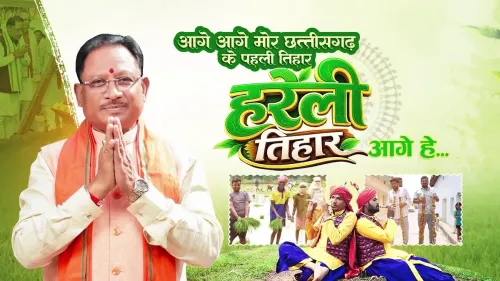
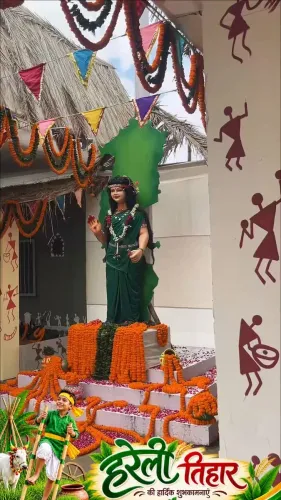
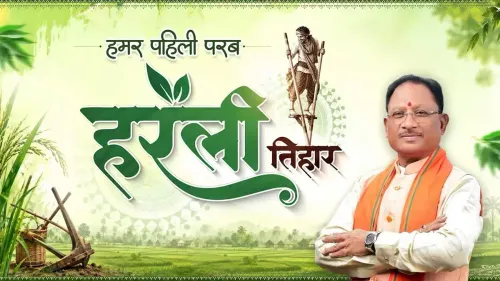
Sawan arrives in Chhattisgarh, and with it comes Hareli Tihar — the state's oldest agrarian festival, where bullocks are bathed and adorned, iron nails are fixed at doorways, and the plough receives its annual worship. On Wednesday, 12 August 2026, the Chief Minister's Office of Chhattisgarh marked the occasion with a Chhattisgarhi folk poem posted on X, capturing the sights, sounds, and flavours of the festival in verse.
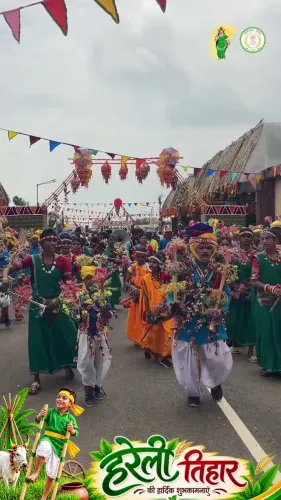
The post opens with a refrain — 'Khushhali leke ais Hareli, sab milke tihar manaabo ji' ('Hareli arrives bearing prosperity; let us all celebrate together') — and moves through the festival's rituals with the cadence of a folk song. Gulgul, bhajiya, and chila are offered as bhog (ritual food) to the deities. Bullocks are bathed and dressed. Children climb gedi (bamboo stilts), spin tops, and swing on Sawan jhulas. The village blacksmith hammers an iron nail into every doorpost — a ward against evil — while women draw chowk-chandan (auspicious floor patterns) at the threshold.
What Hareli Tihar Means to Chhattisgarh's Farming Communities
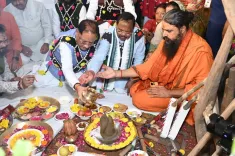
Hareli falls on the new-moon day of the Sawan month and is widely regarded as the first major festival of the Chhattisgarhi calendar. Its name derives from hara — green — a reference to the lush paddy fields that define the state's landscape at the height of the monsoon. For farmers, it is the moment to pause mid-sowing, clean and worship the nanghar (plough) and all iron agricultural implements, and pray for a strong harvest ahead. The rituals are hyper-local and tactile: the lodi (a dough-and-medicine ball) fed to bullocks is a traditional veterinary practice; the iron nail at the doorway is a blacksmith's craft as much as a spiritual act; the gedi stilts are a distinctly Chhattisgarhi sight that disappears once Hareli ends. These are not symbolic gestures — they are the working grammar of a rural economy still deeply tied to the monsoon.The State's Consistent Push to Keep Indigenous Traditions Visible
Chhattisgarh's government has made the digital amplification of its agrarian and tribal festivals a steady part of its public communications. Hareli, Teeja, Pola, and Karma feature regularly on official channels, positioning the state's predominantly rural identity as a cultural asset rather than a development footnote. The folk-verse format of today's post — rather than a standard press release — signals an effort to speak in the community's own register, not above it. Farmers, rural women, and the broader agricultural community are the explicit audience named in the verse itself: 'kisan, siyan, mahila, mitan' ('farmers, elders, women, friends') are all called to sing together. That line is both a poetic flourish and a political one — a reminder of who the festival, and by extension the government's attention, is meant to serve. Hareli Tihar is not a spectacle staged for cameras. It is a living ritual that has organised rural Chhattisgarh's calendar for generations — and this year, it arrives, as the verse promises, bearing prosperity.Point of View
Not just report on it. This fits a broader pattern of state governments using indigenous festival cycles as soft-power tools to consolidate rural identity and loyalty ahead of agricultural policy announcements. Hareli's emphasis on the plough, the blacksmith, and the bullock also keeps the agrarian economy symbolically central at a time when rural distress and farm-input costs remain live political issues in central India. The festival's digital visibility, year on year, is as much a governance signal as a cultural one.
NationPress
12 Aug 2026
Frequently Asked Questions
What is Hareli Tihar and when is it celebrated?
Hareli Tihar is Chhattisgarh's oldest agrarian festival, celebrated on the new-moon day of the Sawan month (July-August). It marks the midpoint of the sowing season and involves worshipping agricultural implements, adorning bullocks, and community rituals like gedi stilts and Sawan swings.
What are the main rituals of Hareli festival in Chhattisgarh?
Key rituals include bathing and decorating bullocks, feeding them a medicinal dough ball called lodi , worshipping the plough and iron tools, fixing an iron nail at the doorway (done by the village blacksmith), drawing chowk-chandan floor patterns, and offering foods like gulgul, bhajiya, and chila to deities.
What does the name Hareli mean?
Hareli derives from the Chhattisgarhi word hara , meaning green, referencing the lush paddy fields visible across the state during the monsoon season when the festival takes place.
Why did the Chhattisgarh CMO post a folk poem for Hareli 2026?
The Chief Minister's Office of Chhattisgarh shared a Chhattisgarhi folk verse on 12 August 2026 to celebrate Hareli Tihar, continuing the state government's practice of using official social media to highlight indigenous festivals and speak directly in the cultural language of rural communities.
Who participates in Hareli Tihar celebrations?
Hareli is a community-wide festival involving farmers, elders, women, and youth. Farming families perform the agricultural rituals, village blacksmiths fix iron nails at doorways, children play on gedi bamboo stilts, and women draw auspicious patterns at thresholds.