CM Fadnavis Chairs Meet to Financially Empower Maharashtra's Municipal Bodies
Synopsis
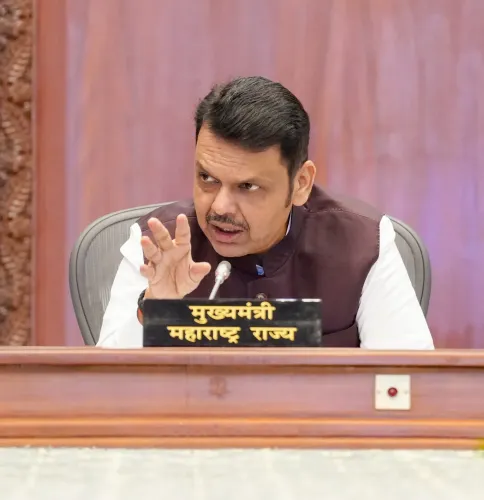
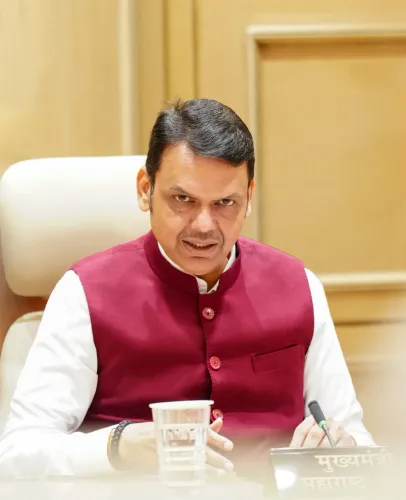
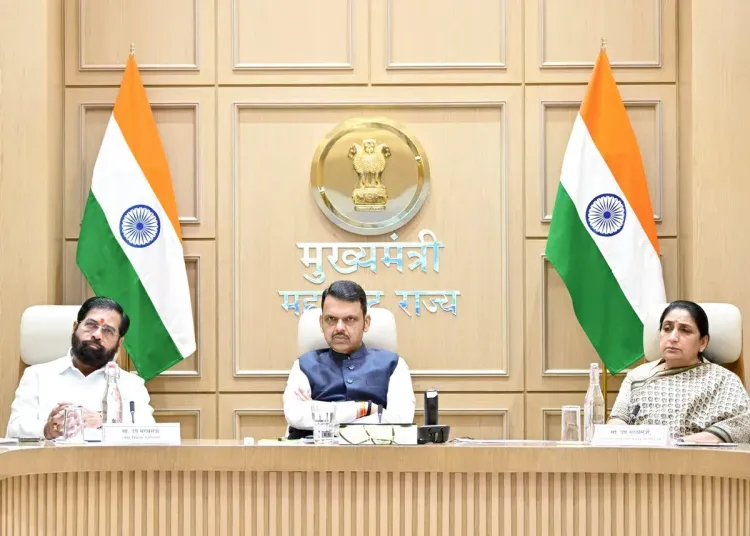
Chief Minister Devendra Fadnavis chaired a high-level Urban Development Department meeting on 12 August 2026 at Varsha Bungalow, Mumbai, with both Deputy CMs present, to frame a structural policy for the financial empowerment of Maharashtra's municipal corporations.
Key Takeaways
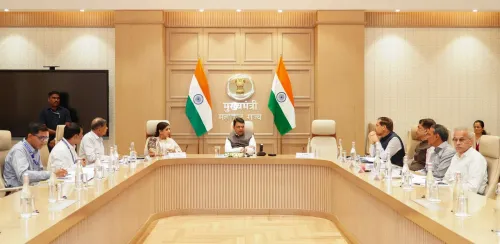
CM Devendra Fadnavis chaired an Urban Development Department meeting on 12 August 2026 at Varsha Bungalow, Mumbai .
The meeting's stated objective is to formulate a structural policy for financial empowerment of municipal corporations across Maharashtra.
Deputy CM Eknath Shinde and Deputy CM Sunetra Ajit Pawar were both present, reflecting full coalition-level engagement.
Maharashtra's municipal corporations have historically struggled with grant dependency and low own-source revenue — the core problem this policy seeks to address.
The 74th Constitutional Amendment (1992) mandated financial autonomy for urban local bodies, a goal that remains incompletely realised across Indian cities.
The next milestone to watch is a draft policy document or cabinet decision on municipal finance reform.
Maharashtra's municipal corporations — the engines of urban service delivery for millions — are at the centre of a high-level policy push. Chief Minister Devendra Fadnavis chaired a meeting of the Urban Development Department at Varsha Bungalow, Mumbai, on 12 August 2026 to formulate a structural policy aimed at the financial empowerment of the state's municipal corporations.
Deputy Chief Minister Eknath Shinde and Deputy Chief Minister Sunetra Ajit Pawar, along with senior officials, were present at the 12:35 pm meeting — signalling that the ruling Mahayuti coalition is treating urban fiscal reform as a shared priority across its top leadership.
Why Municipal Finances Are Under the Microscope
Maharashtra's municipal corporations have long grappled with a structural tension: ballooning service-delivery costs on one side, and heavy dependence on state grants rather than own-source revenue on the other. The 74th Constitutional Amendment Act of 1992 gave urban local bodies constitutional status and promised functional and financial autonomy — but three decades on, the gap between that promise and ground reality remains wide in many cities.
Successive Maharashtra governments have attempted periodic course corrections — tightening revenue collection, rationalising expenditure, and nudging corporations toward fiscal discipline. This meeting is the latest chapter in that long-running effort, now being given a more deliberate 'structural policy' framing under the Fadnavis administration.
A Coalition Moment for Urban Governance
The presence of both Deputy Chief Ministers — Shinde from the Shiv Sena camp and Sunetra Ajit Pawar from the NCP faction — at a departmental-level meeting is itself notable. Urban local bodies, especially the Brihanmumbai Municipal Corporation (BMC) and other major city corporations, are politically significant institutions in Maharashtra. A unified coalition front on their financial restructuring carries both governance and political weight.
The agenda: a 'structural policy' — not a one-off grant or a budget line, but a framework meant to reshape how municipal corporations generate, manage, and deploy their finances. The specifics of that framework are yet to be made public.
What Comes Next
The immediate watch-point is whether this meeting produces a draft policy document or a cabinet note that moves toward formal approval. A structural overhaul of municipal finances would touch property tax regimes, devolution formulas, and the corporations' own-source revenue mechanisms — changes that would ripple through urban governance across Maharashtra's largest cities.
Maharashtra sets the template for urban governance debates across India. If Fadnavis can deliver a credible financial empowerment framework for its municipal corporations, it could become a model — and a political calling card — for the ruling coalition heading into future electoral cycles.
Point of View
The coalition is projecting unity on an issue that directly touches the BMC and other electorally significant city corporations. This is also a quiet acknowledgement that the 74th Amendment's promise of genuinely autonomous urban local bodies remains unfulfilled in Maharashtra, three decades on. Whether the policy produces binding mechanisms or remains aspirational will determine its real legacy.
NationPress
12 Aug 2026
Frequently Asked Questions
What was the purpose of CM Fadnavis's Urban Development Department meeting on 12 August 2026?
The meeting was convened to formulate a structural policy for the financial empowerment of municipal corporations across Maharashtra, addressing longstanding challenges like grant dependency and weak own-source revenue.
Who attended the Urban Development Department meeting chaired by CM Fadnavis?
Deputy Chief Minister Eknath Shinde, Deputy Chief Minister Sunetra Ajit Pawar, and senior government officials were present alongside CM Devendra Fadnavis at Varsha Bungalow, Mumbai.
What is the financial problem facing Maharashtra's municipal corporations?
Maharashtra's municipal corporations have long depended heavily on state government grants rather than generating sufficient own-source revenue, creating fiscal stress that affects urban service delivery.
What is the 74th Constitutional Amendment and why does it matter here?
The 74th Constitutional Amendment of 1992 gave constitutional status to urban local bodies and mandated their financial and functional autonomy — a standard that Maharashtra's corporations, like many across India, have yet to fully achieve.
What should we watch for after this Maharashtra municipal finance meeting?
The key development to track is whether the government releases a draft structural policy document or moves a cabinet note that formalises changes to how municipal corporations raise and manage their finances.