CM Fadnavis Chairs Maharashtra Green Climate Meet with ICLEI
Synopsis
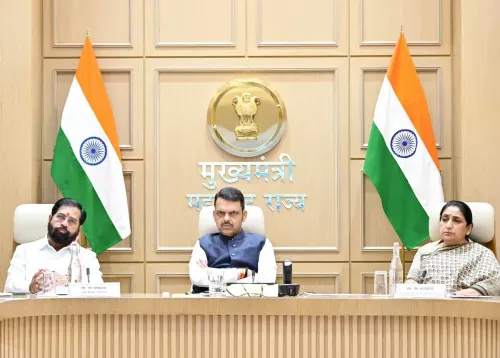
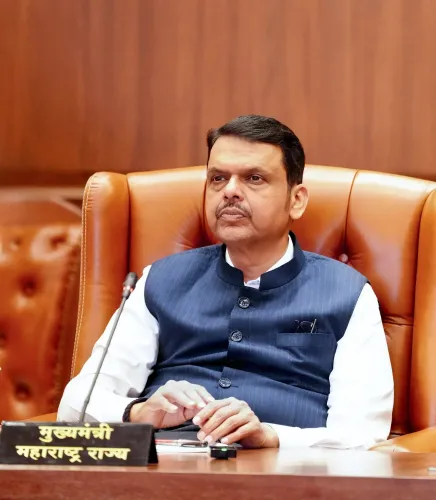
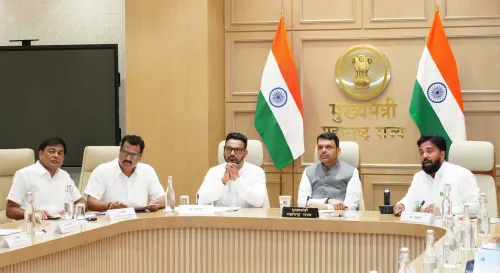
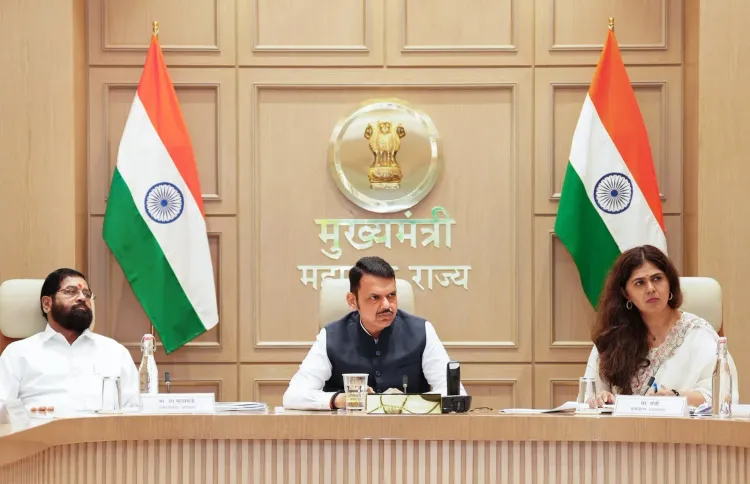
Chief Minister Devendra Fadnavis chaired a meeting with ICLEI – Local Governments for Sustainability at Varsha Bungalow, Mumbai on 12 August 2026, alongside DCM Eknath Shinde and Minister Pankaja Munde, advancing Maharashtra's Green Climate agenda through international local-governance expertise.
Key Takeaways
CM Devendra Fadnavis chaired the Maharashtra Green Climate meeting with ICLEI – Local Governments for Sustainability on 12 August 2026 .
The meeting was held at Varsha Bungalow, Mumbai at 1:15 PM .
Deputy CM Eknath Shinde and Minister Pankaja Munde attended alongside senior state officials.
ICLEI has been active in India since the 1990s , supporting urban climate resilience and local governance sustainability frameworks.
Maharashtra's State Action Plan on Climate Change dates to around 2014 and faces pressure to align with India's net-zero by 2070 target.
Follow-up focus areas include city-level climate action roadmaps, pilot projects in urban local bodies, and state budget alignment with sustainable city missions.
Maharashtra is signalling that its climate ambitions will be fought city by city, ward by ward. Chief Minister Devendra Fadnavis chaired a high-level meeting at Varsha Bungalow, Mumbai, on 12 August 2026 with ICLEI – Local Governments for Sustainability, the international network that has been embedding climate action into urban governance across India for decades, focusing on the Maharashtra Green Climate agenda.
Deputy Chief Minister Eknath Shinde and Minister Pankaja Munde, alongside senior state officials, were present at the 1:15 PM session — a lineup that signals cross-portfolio political weight behind what might otherwise be treated as a technocratic exercise.
Why ICLEI and Why Now
ICLEI has been active in India since the 1990s, working directly with cities and states on urban climate resilience, biodiversity frameworks, and sustainability roadmaps. Its model is deliberate: embed expertise at the local government level, where land use, transport, water, and waste decisions are actually made. Maharashtra, with sprawling coastal exposure, agriculture vulnerable to erratic monsoons, and megacities generating enormous carbon footprints, is precisely the kind of partner ICLEI targets.
The state released its State Action Plan on Climate Change around 2014, mapping sector-wise adaptation and mitigation pathways. That plan is now over a decade old — and India's net-zero by 2070 commitment under the Paris Agreement has dramatically raised the stakes for what state-level action must deliver.
Local Bodies as the Front Line
The framing of this meeting — 'Local Governments for Sustainability' — is deliberate and consequential. Urban local bodies across Maharashtra, from Mumbai and Pune to smaller municipal councils, are the entities that control building permissions, drainage, green cover, and public transport. National climate targets mean little if they don't cascade into these institutions. Meetings of this kind typically focus on knowledge transfer, technical frameworks, and pilot project design rather than fresh funding announcements — but they set the architecture for what gets budgeted next.
The presence of Pankaja Munde, who has held portfolios touching rural development and environment, alongside the Deputy CM, suggests the state is attempting to bridge urban and rural climate planning under a single strategic conversation.
What Follows the Room
The real test will be whether this engagement produces a concrete climate action roadmap, specific pilot projects in Maharashtra's urban local bodies, or alignment with national missions on sustainable cities. Watchers of state climate policy will look for signals in upcoming budget allocations and whether ICLEI's technical support translates into measurable targets tied to Maharashtra's own green commitments.
Maharashtra has the political weight, the urban scale, and now the international partnership to model what sub-national climate governance looks like in India. Whether the room at Varsha Bungalow becomes a turning point or a talking point depends entirely on what comes next.
Point of View
Not a departmental afterthought. The presence of both the Chief Minister and Deputy CM alongside a cabinet minister reflects the BJP-Shiv Sena coalition's attempt to project unified intent on an issue where urban voters are increasingly attentive. Structurally, this fits a broader pattern of Indian states using international networks to build technical credibility for climate commitments that national frameworks alone cannot deliver at the local level. The real indicator of seriousness will be whether this translates into binding city-level targets and budget lines — or remains a high-profile photograph.
NationPress
12 Aug 2026
Frequently Asked Questions
What is the Maharashtra Green Climate initiative?
Maharashtra Green Climate refers to the state government's broader agenda to integrate climate action, sustainability, and green governance across Maharashtra's urban and rural areas, aligned with India's national climate commitments.
What is ICLEI and what does it do in India?
ICLEI – Local Governments for Sustainability is an international network active in India since the 1990s that works with cities and state governments to develop urban climate action plans, resilience frameworks, and sustainability projects at the local governance level.
Who attended the ICLEI meeting with CM Fadnavis on 12 August 2026?
Deputy Chief Minister Eknath Shinde , Minister Pankaja Munde , and senior state officials attended the meeting chaired by CM Devendra Fadnavis at Varsha Bungalow, Mumbai .
What is Maharashtra's climate policy background?
Maharashtra released its State Action Plan on Climate Change around 2014 , outlining sector-wise adaptation and mitigation strategies. The state now faces pressure to update these commitments in line with India's net-zero by 2070 target under the Paris Agreement.
What outcomes are expected from the Maharashtra-ICLEI meeting?
Such meetings typically focus on knowledge sharing, technical frameworks, and pilot project design for urban local bodies. Watchers will look for a concrete climate action roadmap, specific pilot projects, and alignment with Maharashtra's upcoming budget allocations for sustainable cities.