CM Fadnavis Meets ISKCON Leader Gauranga Das at Varsha Bungalow
Synopsis
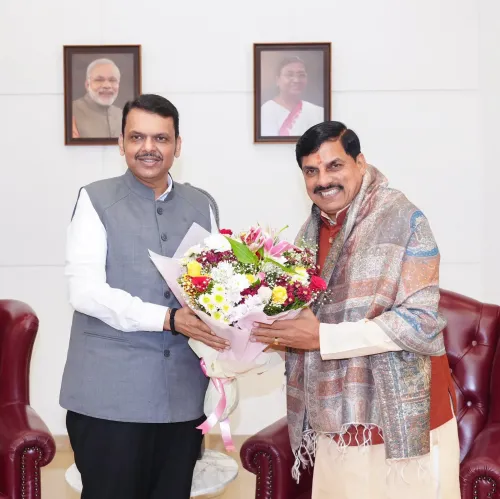
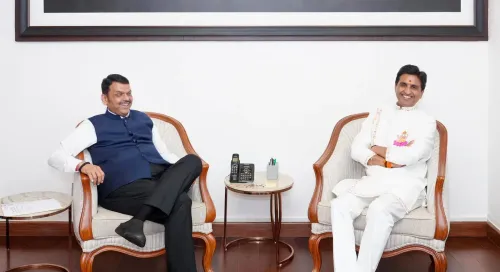
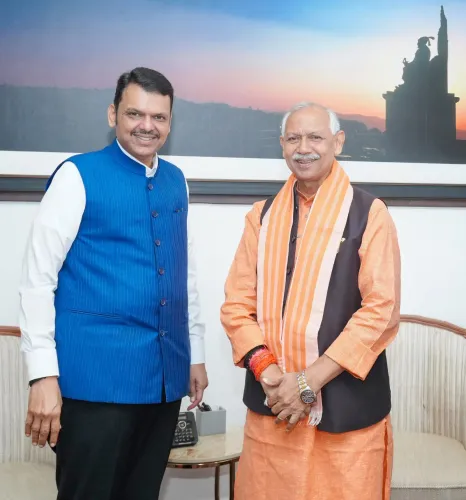
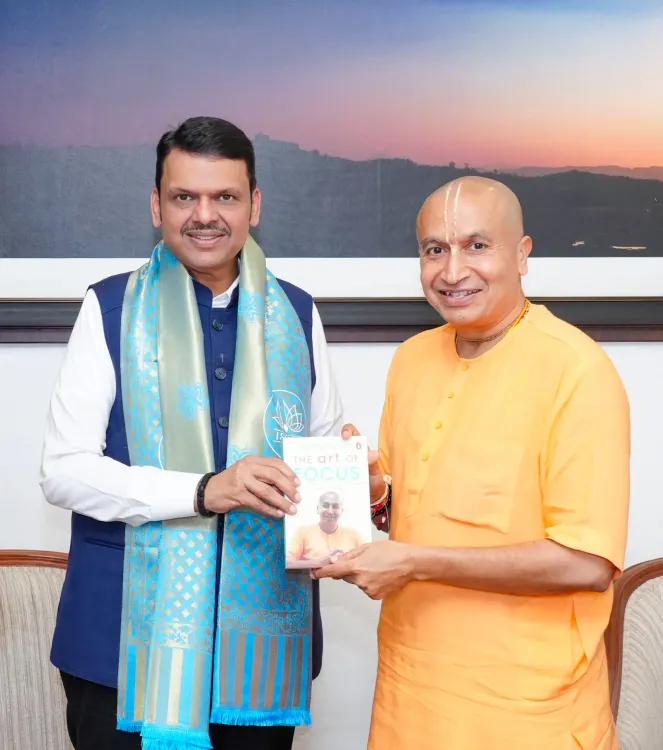
Maharashtra CM Devendra Fadnavis hosted ISKCON leader Gauranga Das ji at Varsha Bungalow in Mumbai on 30 July 2026, discussing the intersection of spirituality, environmental conservation, rural development, and value-based education — areas where Govardhan Ecovillage has built a working model in Maharashtra.
Key Takeaways
Devendra Fadnavis met Gauranga Das ji at Varsha Bungalow , Mumbai, on 30 July 2026 .
Gauranga Das ji is Director of Govardhan Ecovillage and Governing Body Commissioner of ISKCON .
Discussion covered environmental conservation , rural development , and value-based education .
Govardhan Ecovillage is an ISKCON-affiliated project in Maharashtra integrating sustainable agriculture, renewable energy, and spiritual education.
No formal policy outcome was announced; the meeting signals alignment between state priorities and faith-based ecological work.
At Varsha Bungalow in Mumbai on 30 July 2026, Maharashtra Chief Minister Devendra Fadnavis sat down with one of India's most recognised spiritual environmentalists — a meeting where ancient Vedic wisdom met the urgency of modern sustainability.
Gauranga Das ji, Director of Govardhan Ecovillage and Governing Body Commissioner of ISKCON (the International Society for Krishna Consciousness), visited the Chief Minister's official Mumbai residence for what Fadnavis described as 'an inspiring exchange on the enduring relevance of spirituality, sustainable living and service to humanity.'
Who Is Gauranga Das — and Why the Meeting Matters
Gauranga Das ji is not a conventional religious figure. As director of Govardhan Ecovillage — an ISKCON-affiliated project in Maharashtra — he has built a working model of sustainable agriculture, renewable energy, and value-based education rooted in Vaishnava tradition. The ecovillage draws students, researchers, and policymakers seeking practical templates for rural ecological living.
ISKCON itself operates one of the world's largest faith-based food-relief and community-service networks. Gauranga Das's role as Governing Body Commissioner places him among the movement's senior global leadership, giving any conversation at Varsha Bungalow a reach well beyond a single ashram.
Spirituality, Soil, and the State
Fadnavis highlighted three pillars from their discussion: environmental conservation, rural development, and value-based education. The framing — 'inner transformation goes hand in hand with building a compassionate, sustainable and resilient society' — signals an alignment between the state's rural and ecological priorities and the kind of ground-up community work Govardhan Ecovillage has been doing for years in Maharashtra.
Maharashtra's leadership has a pattern of engaging faith-based organisations on themes where institutional reach and community trust intersect. Spiritual leaders who run functioning ecological or educational programmes offer something a government scheme alone often cannot: grassroots credibility.
Whether this exchange translates into a formal collaboration — a state-backed expansion of ecovillage models, a curriculum partnership, or a rural development initiative — remains to be watched. But the conversation itself places sustainable living and value-based education squarely on the Chief Minister's visible agenda.
Point of View
Which gives this exchange more policy texture than a routine spiritual audience. For the BJP-led Maharashtra government, visible engagement with ISKCON's leadership also carries cultural-political resonance with a significant devotee constituency. The real test will be whether this conversation seeds a concrete collaboration on rural ecological or educational initiatives in the state.
NationPress
14 Sept 2026
Frequently Asked Questions
Who is Gauranga Das ji from ISKCON?
Gauranga Das ji is a senior ISKCON leader serving as Director of Govardhan Ecovillage in Maharashtra and as a Governing Body Commissioner of ISKCON globally. He is known for his work in environmental conservation, sustainable living, rural development, and value-based education rooted in Vaishnava tradition.
What is Govardhan Ecovillage?
Govardhan Ecovillage is an ISKCON-affiliated project in Maharashtra that integrates sustainable agriculture, renewable energy, and spiritual education as a working model of eco-conscious rural living.
Why did CM Fadnavis meet Gauranga Das ji?
CM Devendra Fadnavis hosted Gauranga Das ji at Varsha Bungalow in Mumbai on 30 July 2026 for a discussion on spirituality, sustainable living, environmental conservation, rural development, and value-based education.
Where is Varsha Bungalow?
Varsha Bungalow is the official residence of the Maharashtra Chief Minister, located in Mumbai, and is used for official meetings and interactions.
Will Maharashtra government collaborate with Govardhan Ecovillage?
No formal collaboration or policy outcome was announced following the meeting. The interaction signals shared interest in rural development and sustainability, but any follow-up state-level initiative remains to be confirmed.