Chhattisgarh CMO Hosts Tree Plantation Drive
Synopsis
The Chief Minister's Office of Chhattisgarh broadcast a live tree plantation programme on 23 June 2026, leveraging the monsoon season and the state's vast forest cover to drive public participation in afforestation aligned with national and international climate commitments.
Key Takeaways
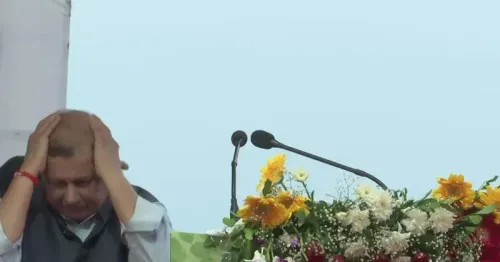
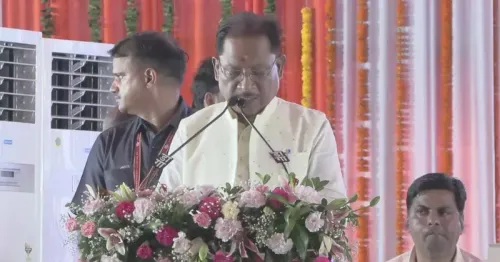
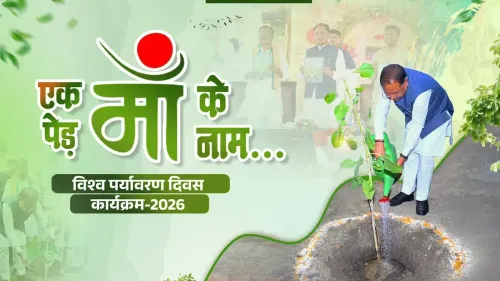
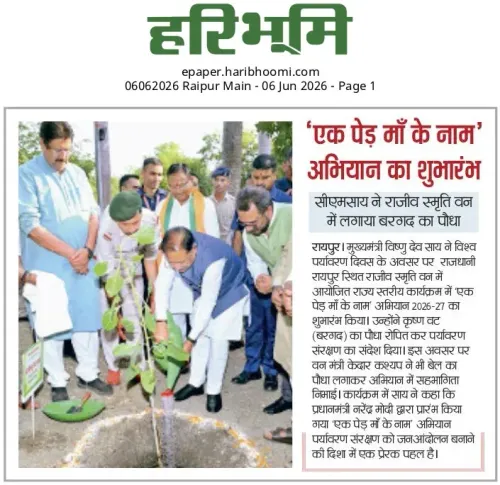
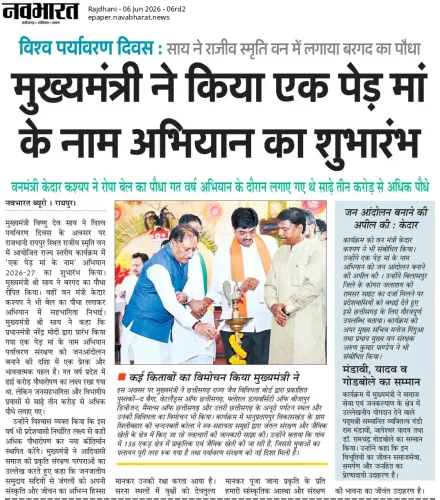
The Chief Minister's Office of Chhattisgarh shared a live broadcast of a tree plantation programme ( Vriksharopan Karyakram ) on 23 June 2026 .
Chhattisgarh has over 44 per cent forest cover , making it one of India's most forested states and a key participant in national afforestation campaigns.
The state has aligned plantation drives with CAMPA guidelines since 2009 , using funds from forest diversion for regeneration.
Plantation drives in the state intersect with livelihood entitlements for tribal communities under the Forest Rights Act .
India's broader afforestation framework includes the Van Mahotsav festival (since 1950), the National Afforestation Programme (2000) , and the National Mission for a Green India .
CAMPA fund utilisation reports and forestry budget disclosures in the next assembly session will indicate the programme's financial backing.
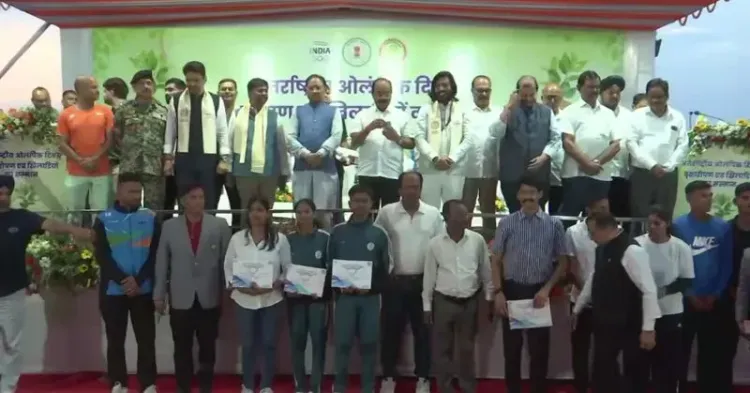
The Chief Minister's Office of Chhattisgarh announced and broadcast a tree plantation programme (Vriksharopan Karyakram) on Tuesday, 23 June 2026, sharing the event live via an official X broadcast as part of the state's ongoing environmental outreach efforts.
Context
The post, shared at 5:52 PM IST, links to a live broadcast of the Vriksharopan Karyakram — literally, 'tree-planting programme' — underscoring the state government's push to mobilise public participation in afforestation during the monsoon season, the optimal window for plantation activity across India. Chhattisgarh, which holds over 44 per cent forest cover, is among India's most forested states, making such drives both ecologically significant and politically visible.
Monsoon-season plantation campaigns are a recurring feature of state governance across India, timed to maximise sapling survival rates. Broadcasting the event on a public platform signals an intent to encourage wider community involvement beyond official participants.
Policy Backdrop
India's tradition of organised tree-planting dates to 1950, when the annual Van Mahotsav festival was launched to promote afforestation and environmental awareness nationwide. Since then, successive programmes — including the National Afforestation Programme (2000) and the National Mission for a Green India under the National Action Plan on Climate Change — have institutionalised state-level plantation drives.
Chhattisgarh has aligned its plantation campaigns with Compensatory Afforestation Fund Management and Planning Authority (CAMPA) guidelines since 2009, channelling funds from forest diversion projects back into regeneration efforts. These drives also intersect with India's international commitments, including the Bonn Challenge, which calls for the restoration of degraded and deforested lands globally.
Stakeholders and Impact
Tribal communities and rural households in Chhattisgarh are the most directly affected stakeholders in plantation programmes. The state's large tribal population depends on forest resources for livelihood, and afforestation campaigns often intersect with entitlements under the Forest Rights Act, making community participation both practically important and legally consequential.
Livestreaming or broadcasting such events has become a common strategy to generate public engagement, allowing citizens across the state to witness and be encouraged to participate in local plantation activities. The digital broadcast format also creates an accountability record of the programme's scale and conduct.
What's Next
Observers will watch for official disclosures on the number of saplings planted, species selected, and target areas covered under this drive — details that typically emerge in post-event government communications or the next assembly session. Scrutiny of CAMPA fund utilisation reports and the state's forestry budget allocations will indicate whether this programme is backed by sustained financial commitment or remains a seasonal ceremonial exercise. With India's climate targets requiring measurable increases in green cover, the rigour of follow-up monitoring will determine the drive's long-term ecological value.
Point of View
Afforestation optics carry particular weight — both with tribal constituencies who depend on forests and with central agencies overseeing CAMPA fund disbursements. The livestream format raises the bar for accountability, as it creates a public record that civil society and opposition benches can reference when scrutinising actual fund utilisation. Whether this drive translates into verifiable, monitored green cover gains will be the real test of its policy substance.
NationPress
23 Jun 2026
Frequently Asked Questions
What is the Chhattisgarh CMO's Vriksharopan Karyakram?
The Vriksharopan Karyakram is a tree plantation programme organised by the Chief Minister's Office of Chhattisgarh, broadcast live on 23 June 2026 to promote monsoon-season afforestation and encourage public participation across the state.
Why does Chhattisgarh hold tree plantation drives during monsoon?
Monsoon season provides the rainfall and soil moisture necessary for high sapling survival rates, making it the optimal window for plantation activity. Indian states, including Chhattisgarh, time their afforestation campaigns accordingly each year.
What is CAMPA and how does it relate to Chhattisgarh's plantation drives?
CAMPA — the Compensatory Afforestation Fund Management and Planning Authority — channels funds collected from industries that divert forest land back into afforestation and forest regeneration. Chhattisgarh has aligned its plantation campaigns with CAMPA guidelines since 2009.
What is Van Mahotsav and is it connected to this programme?
Van Mahotsav is India's annual tree-planting festival, launched in 1950 to promote afforestation and environmental awareness. State-level plantation drives like Chhattisgarh's are part of this broader national tradition.
How does Chhattisgarh's forest cover compare to other Indian states?
Chhattisgarh has over 44 per cent forest cover, placing it among the most forested states in India. This makes afforestation campaigns in the state particularly significant for national green cover targets and tribal livelihoods.